Park City approves $2.1 million for Re-Create 248 work
Park City committed up to $2.1 million to push Re-Create 248 into engineering, with commuters and skiers first in line to benefit from the Kearns Boulevard redesign.
Park City is spending up to $2.1 million to move Re-Create 248 from study to design, paying for environmental clearance, preliminary engineering and final design support that could reshape S.R. 248, better known as Kearns Boulevard. The first people likely to feel the impact are commuters, skiers and workers moving through the corridor from the Snyderville Basin, the east side of Summit County and Wasatch County.
The Park City Council approved the contract with Horrocks Engineers LLC on May 12, giving the firm authority to advance the project quickly. City leaders have framed the work as a transit priority effort, not just a road project, because S.R. 248 carries some of the heaviest traffic into and out of Park City and remains a key route for regional mobility.
The council had already settled on dedicated bus lanes in January 2026 as the preferred alternative after completing the Re-Create 248 Transit Study with the Utah Department of Transportation. That decision ended years of debate over what the corridor should become, after earlier discussions also considered bus rapid transit, light rail, a pedestrian tunnel and other changes. The latest contract turns that policy choice into a design package that can move toward permits and final plans.
The stakes extend beyond daily traffic. Park City has tied Re-Create 248 to transportation planning for the 2034 Winter Olympics, describing the corridor as one of the defining transportation decisions of the Olympic era. Officials have argued that the city needs to lock in legacy investments that will still matter long after the Games end, much like the city used the 2002 Winter Olympic period to secure funding for projects such as the Old Town transit center.
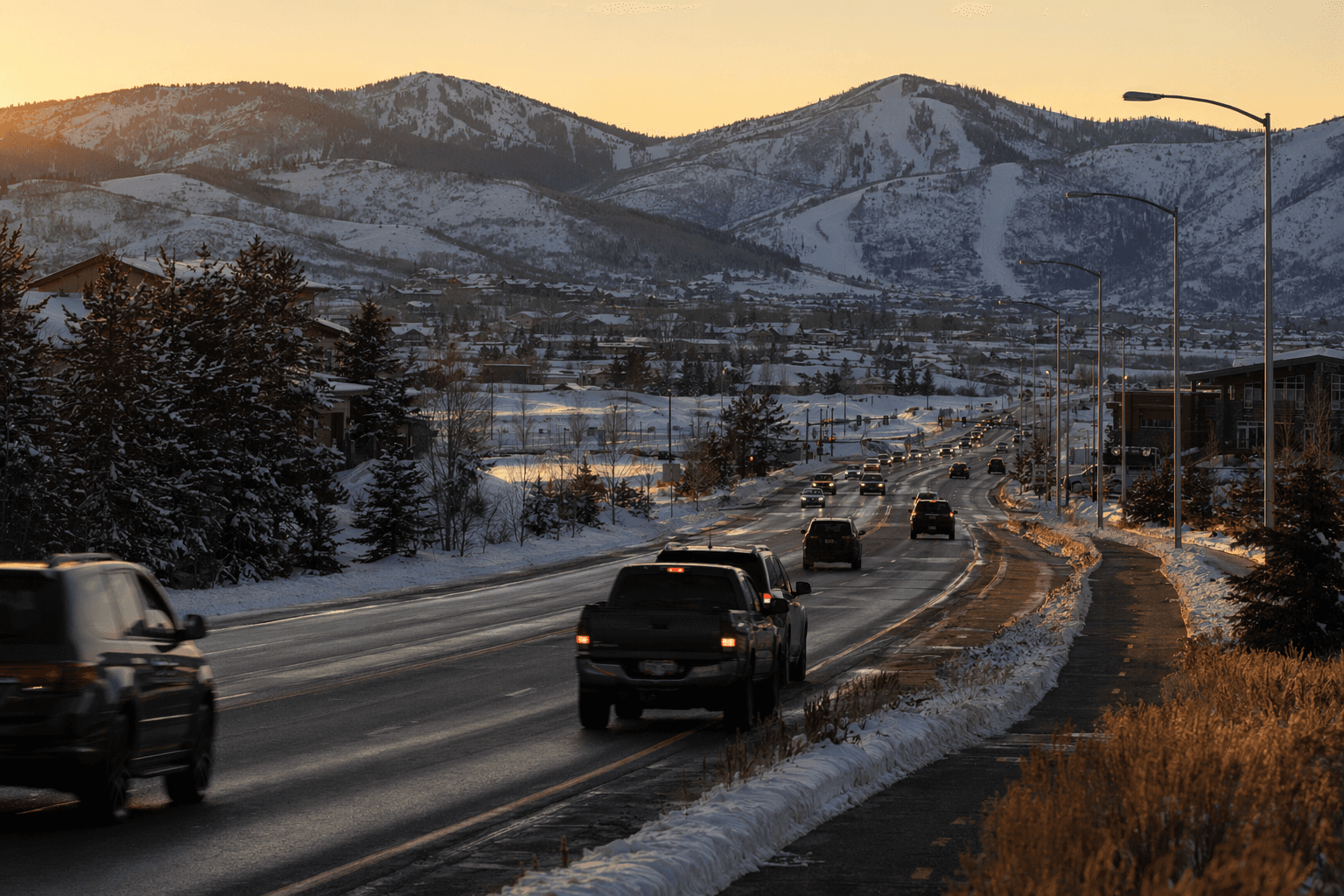
That Olympic-era strategy now includes access planning. In April, city officials highlighted Gordo, a 22-acre city-owned parcel along S.R. 248, as the site for a planned park-and-ride, showing that the corridor effort is expanding beyond bus lanes to parking and transfer connections. Together, the design work and the parking plan point to a larger shift in how Park City expects people to reach the city center.
The test for city leaders is straightforward: keep the project on budget, preserve access through a crowded corridor and deliver the transit improvements the council has promised. If Re-Create 248 falls short on cost, mobility or timing, residents will know exactly where the responsibility lies.
This article was produced by Prism’s automated news system from verified source data, official records, and press releases, then run through automated quality and moderation checks before publishing. The system is built and supervised by the people who set the standards it runs under. Read our full AI policy.
Did this article answer your question?