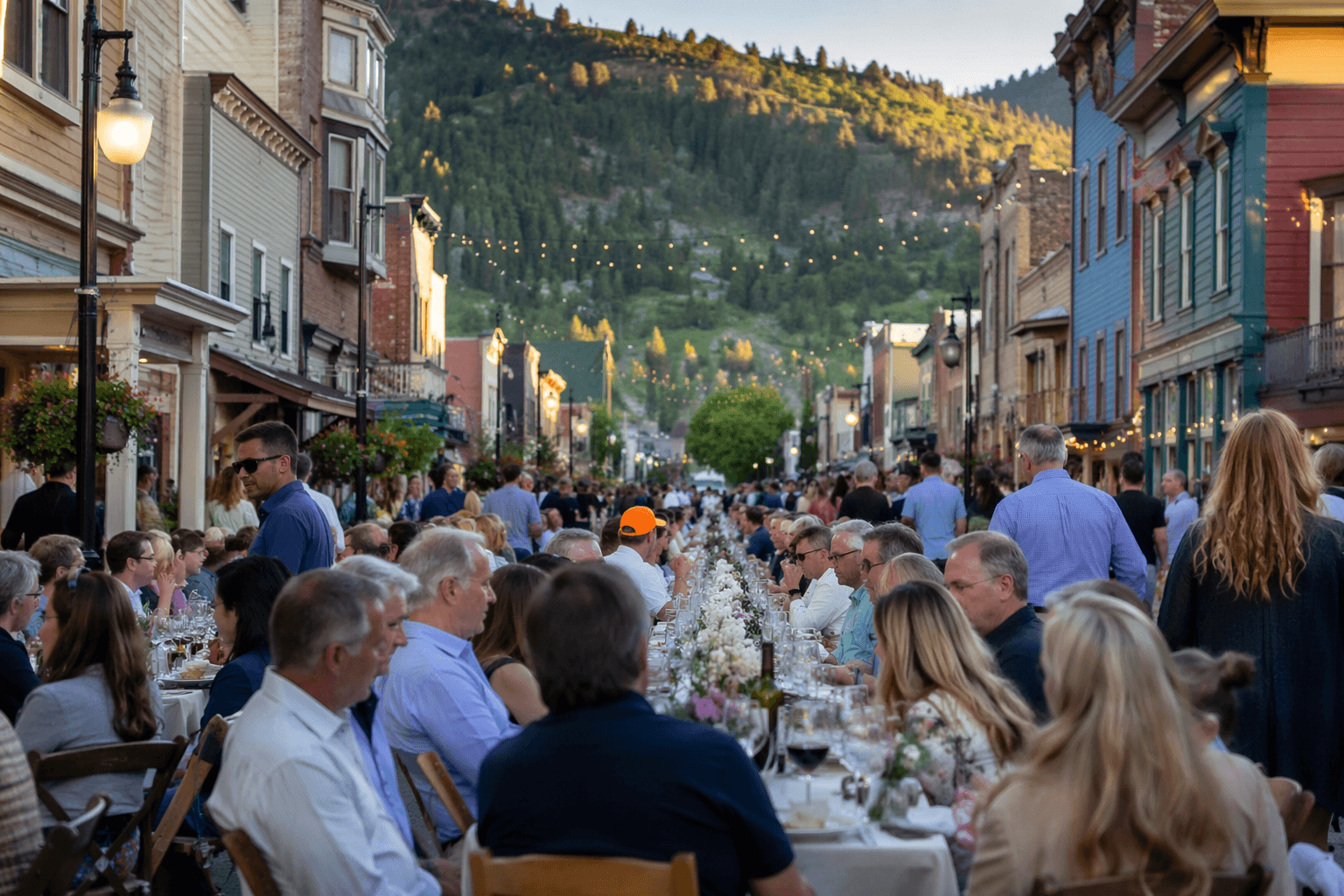
Park City Main Street Historic District shapes downtown's historic character
Park City's Main Street Historic District still shapes what downtown can become. The designation protects the corridor's look, but city review, not federal listing, drives local change.

Park City’s Main Street Historic District was listed on the National Register of Historic Places on March 7, 1979. A later boundary increase pushed it two blocks south and added about 3.44 acres. The updated federal paperwork places the addition in the core of Park City’s commercial district, with 62 contributing buildings and 46 noncontributing buildings in the district as a whole. It is a working downtown corridor where preservation rules still shape storefronts, renovations and the public face of the city that residents, skiers and visitors recognize.
What the designation means
A historic district is a concentration of historic buildings, generally 50 years or older, that retain architectural integrity and represent an important part of a place’s history. In Park City, the designation recognizes Main Street as the heart of a mining town that rebuilt after disaster and then adapted to tourism, retail and dining.
National Register status carries prestige and can open the door to rehabilitation tax credits, but it does not, by itself, strip an owner of the right to alter, demolish or preserve a property. The federal listing gives recognition and context; the local government provides the rules that shape what can physically change on the street.
How the city controls change
Park City built preservation into its policy framework long before Main Street became a modern tourism brand. The city adopted a Land Management Code in 1976 that delineated historic districts and created preservation ordinances, then adopted its first Historic District Design Guidelines in 1983. Today, Park City’s planning department reviews Historic District Design Review applications for compliance with those guidelines and with Land Management Code Chapter 15-13.
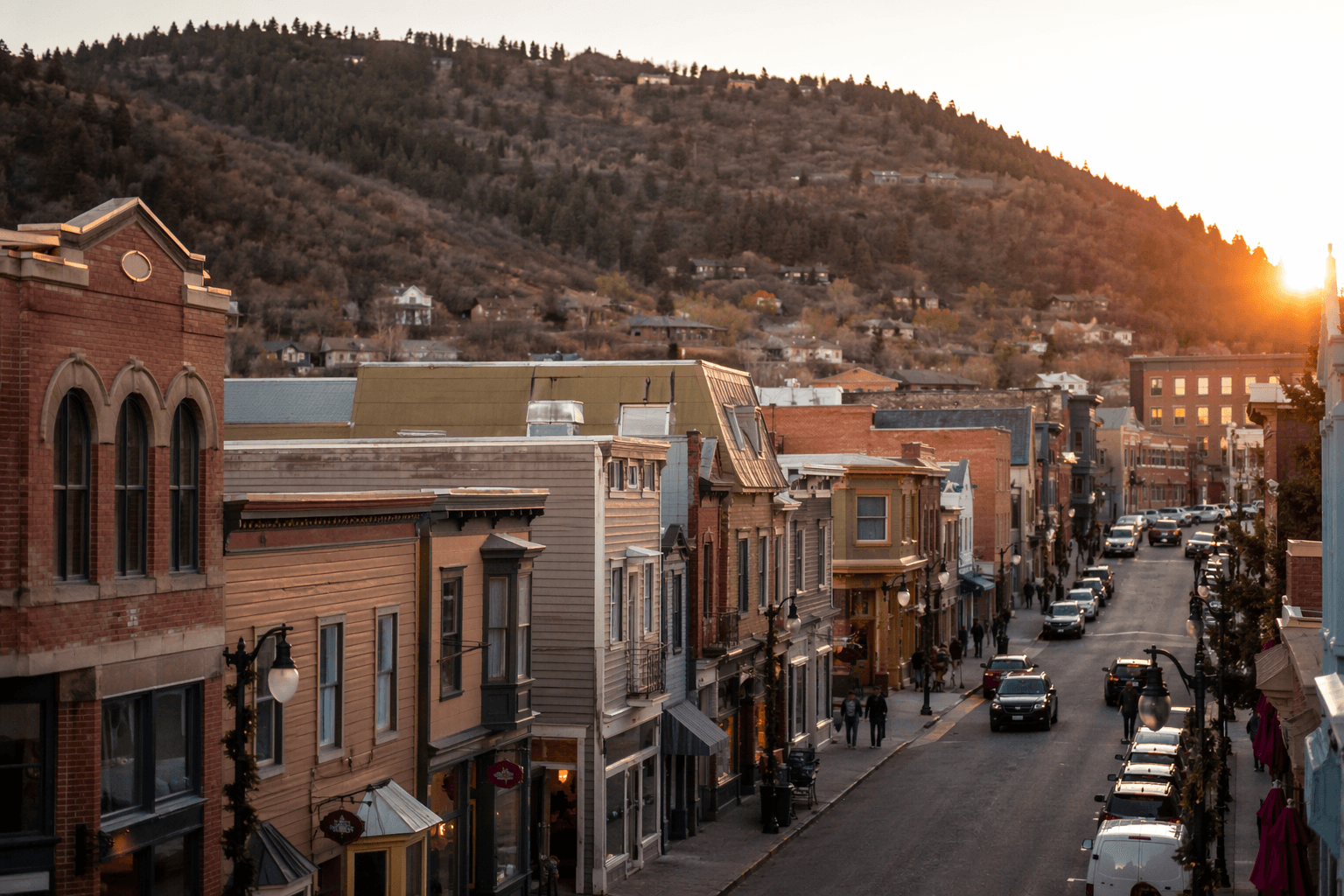
A property owner may still control a building, but any exterior work that affects the historic character has to fit the city’s rules. In practical terms, that is where the tension lives for businesses and landlords: they can renovate and reoccupy buildings, but they cannot treat the corridor like an ordinary commercial strip if the change would undermine the district’s historic appearance.
Park City is home to more than 400 historic sites, including two National Register historic districts.
Why Main Street looks the way it does
The district’s visible character comes from the city’s mining-era boom and the fire that reshaped downtown. The first recorded claim in the Park City Mining District was at the Young American lode in December 1869, followed by rapid growth in the 1870s around the Ontario mine and other silver operations. That growth gave Main Street its commercial role early on, when the town needed shops, services and meeting places close to the mines.
Then came the Great Fire of June 19, 1898, which destroyed most of Main Street, Swede Alley and Park Avenue. The Park City Museum puts the damage at more than $1 million and the number of displaced local citizens at 500. Much of the architecture people now associate with downtown Park City dates to the rebuilding that followed, which is why the district reads as a cohesive historic corridor rather than a random collection of survivors from the mining camp era.
What can change, and what cannot
The federal designation does not automatically prohibit change, but the city’s preservation framework does regulate it. Under that system, buildings can be rehabilitated, reused and updated, yet changes that affect the district’s character are subject to design review. The district can also support rehabilitation through tax-credit eligibility, which makes preservation financially workable for some owners who might otherwise see only added cost.
The corridor’s storefront rhythm, building massing and historic street presence are part of what the designation protects. The federal listing and the city’s design guidelines work together to preserve that appearance, even as businesses rotate, interiors get modernized and properties continue to generate income in a competitive downtown market.
Why it still matters to the local economy
Main Street’s preserved look is a tourism asset as much as a preservation goal. Summit County promotes Historic Main Street for its culture, unique shopping, world-class dining and rich history, and Park City continues to promote events and live music there.
Preservation in Park City now extends beyond the mining era. The Park City Museum’s mission is to preserve, protect and promote Park City’s history and heritage, and it has built a collection of nearly 30,000 historic images. The museum has also advocated for preserving buildings from Park City’s first Ski Era, 1963-1975, which shows that preservation debates now reach beyond the oldest storefronts and into the era that helped transform Park City into a resort town.
This article was produced by Prism’s automated news system from verified source data, official records, and press releases, then run through automated quality and moderation checks before publishing. The system is built and supervised by the people who set the standards it runs under. Read our full AI policy.
Know something we missed? Have a correction or additional information?
Submit a Tip