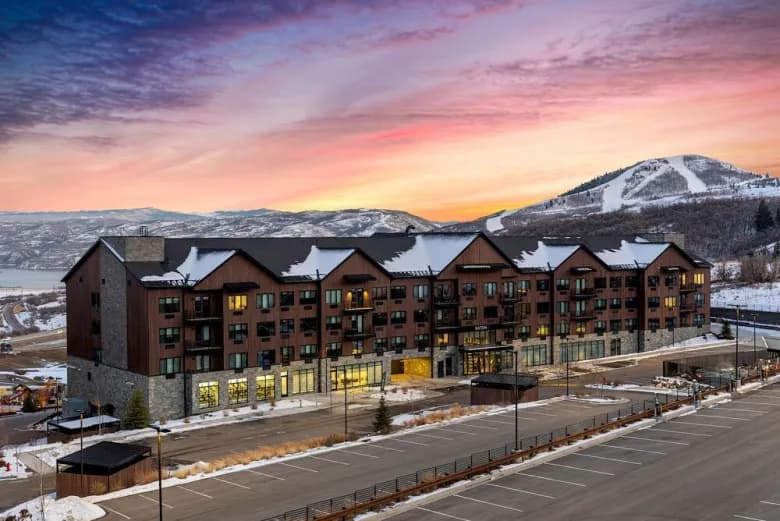
Park City museum traces mining’s decline and skiing’s rise
Park City’s museum story begins with silver bust and ends with skiing boom, showing how a population collapse reshaped the town residents know today.
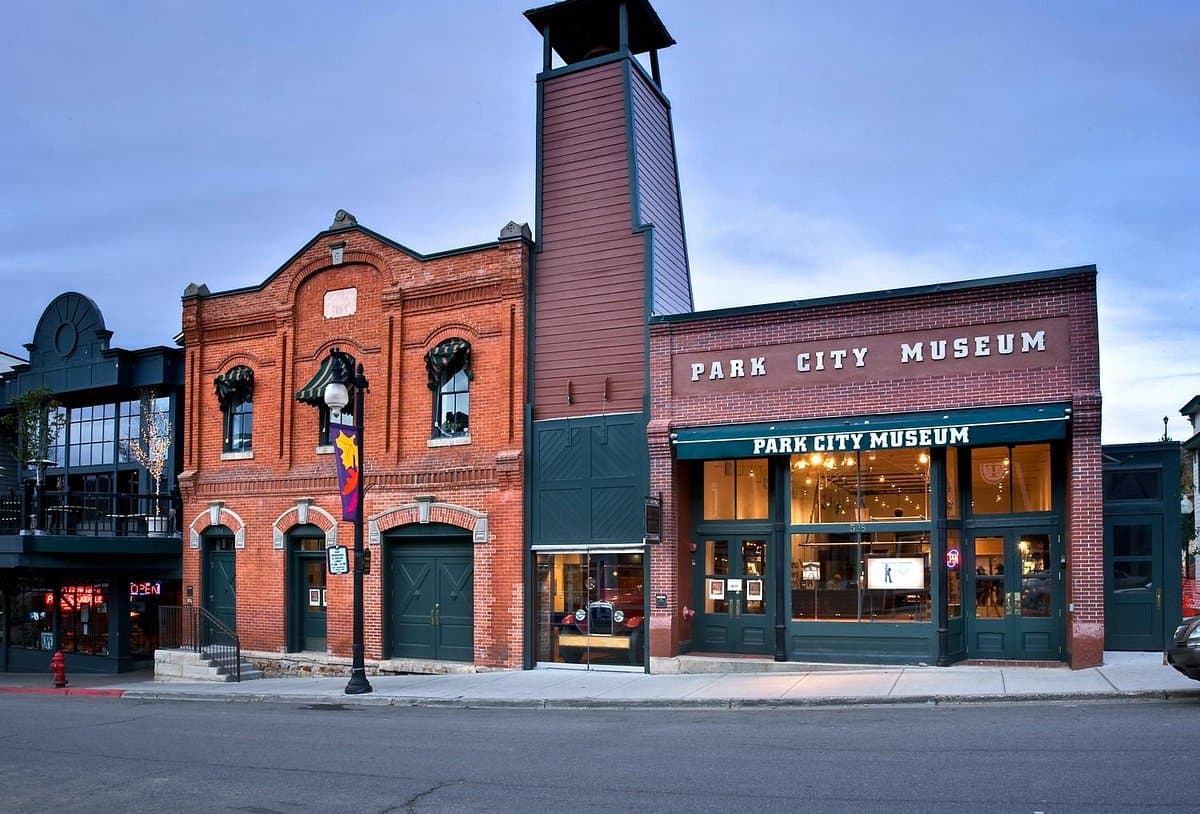
Park City’s modern identity was built on a collapse as much as a boom. The Park City Museum’s “Mines to Moguls: 50 Years of Park City Skiing,” first presented Nov. 23, 2013, uses that turn to explain how a late-1800s mining camp became a ski town, and why the shift still shapes the streets, businesses and history displays people see today.
From silver strike to steep decline
The starting point is 1868, when prospectors discovered silver in Park City. That find drove a mining economy that filled the town with workers, businesses and the infrastructure needed to support them, turning Park City into one of the defining settlements in Summit County. By the late 1800s, the town had about 7,000 residents, a population level that reflected the wealth pouring out of the mines.
The 2014 Park City Museum curriculum guide makes the downturn just as clear. By the 1950s, the population had fallen to about 1,000, and by the 1950s and 60s the silver-mining industry, and the town built to support it, were in trouble. Mining jobs were scarce, businesses were closing their doors and the old economic model was no longer enough to keep the place afloat.
That decline is the key to understanding Park City today. The town did not simply add skiing to an already stable base. It had to reinvent itself after extraction failed, which is why the museum’s “Mines to Moguls” framing works so well for local readers. It is not nostalgia for its own sake. It is the story of how a community survived a structural economic shock.
How the ski era began
The museum timeline places the next pivot in the same long arc. After silver prices declined, Park City reinvented itself as a ski resort town. The Park City Chamber & Visitors Bureau says the town was founded by prospectors in the late 1860s, continued to mine silver until the early 1970s, and saw Park City Consolidated Mines start the ski business in 1963 by building the first lifts on what was then called Treasure Mountain.
That first season opened on Dec. 21, 1963, under the Treasure Mountain name. Park City Mountain’s history page covers the resort’s first decade after opening in 1963, and the resort’s current operator later marked the anniversary by pointing back to the original infrastructure: the longest gondola in North America, a double-chair and two J-bars. In February 2024, Vail Resorts said Park City Mountain had grown to more than 7,300 acres of terrain and 41 lifts.
Those numbers matter because they show the scale of the second economy Park City built. A town that had nearly emptied out by the 1950s eventually became a destination with a resort footprint large enough to rank as the largest in the United States. The transformation from Treasure Mountain to Park City Mountain was not a side story. It became the town’s new economic engine.
Why the museum’s framing matters now
The museum’s exhibit does more than mark dates. It stretches the story from Treasure Mountain in 1963 to the 2002 Winter Olympics, linking a local rescue plan to an international resort identity. That arc helps explain why Park City’s built environment looks the way it does now, with mining-era structures, historic storefronts and ski-era development layered on top of one another.
Park City’s preservation record reinforces that point. The city says it has more than 400 historic sites. The Main Street Historic District was listed on the National Register of Historic Places in 1979, and the Mining Boom Era Residences Thematic District adds another protected historic context. In a town where so much of the economy now depends on the image of place, those designations are not just about remembering the past. They also shape what can be altered, replaced or marketed.
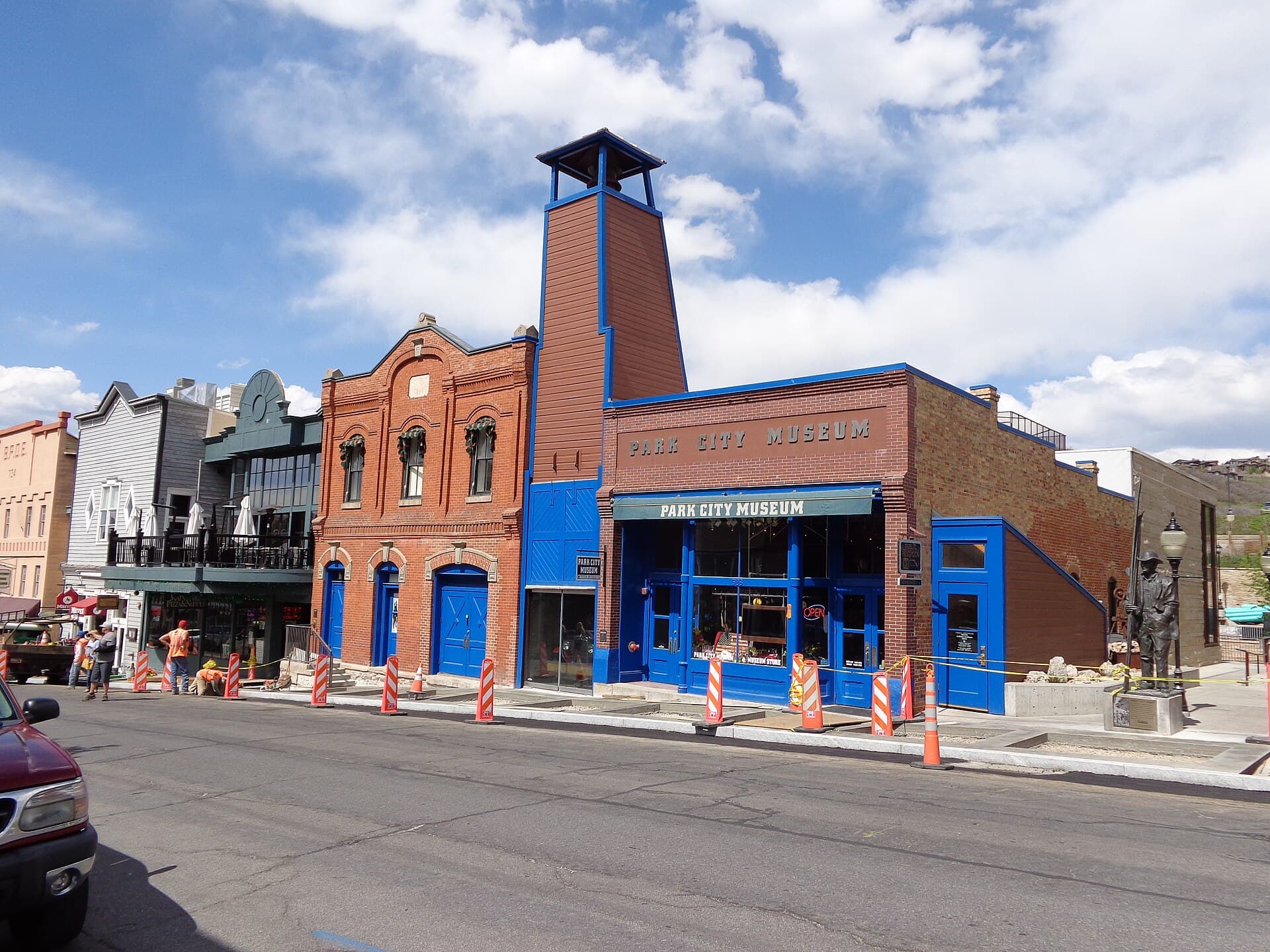
That tension is part of the legacy of turning history into a brand. Park City sells the idea that its mining roots and ski future belong to one continuous story, but the museum materials show that this continuity was hard won. The old silver economy collapsed, the population shrank and the town had to find a new use for its landscape, labor and identity. What remains visible in the historic district and on the mountain is the result of that pivot, not a natural evolution.
The mining past is still a live local issue
The museum is still treating mining history as a hands-on civic issue, not just an exhibit topic. Its school programs and field trips are free for public-school groups, a practical way to keep local children tied to the county’s history. The museum also supports the Friends of Ski Mountain Mining History, a volunteer committee formed in 2015 after the Daly West headframe collapsed at Deer Valley Resort near the Empire chairlift.
That group’s mission is to preserve, protect and promote Park City’s mine structures, which shows how fragile the physical evidence of the mining era can be. Once those structures disappear, the town loses part of the record that explains why ski culture took root where it did. In Park City, preservation is not separate from development. It is one of the ways the town manages the balance between growth, tourism and the older identity that still draws visitors in the first place.
For Summit County, that is the deeper lesson of “Mines to Moguls.” The exhibit does not just recount a historical transition from silver to snow. It explains how a mining collapse created the civic and tourism model residents live with today, and why every new round of growth still sits inside a landscape shaped by that choice.
This article was produced by Prism’s automated news system from verified source data, official records, and press releases, then run through automated quality and moderation checks before publishing. The system is built and supervised by the people who set the standards it runs under. Read our full AI policy.
Did this article answer your question?