Park City Parade Honors Utah Olympians and Paralympians on Main Street
A city of roughly 8,300 people sent 57 athletes to the 2026 Winter Games, collected enough medals to rank 14th in the world, and parades down Main Street on April 3.
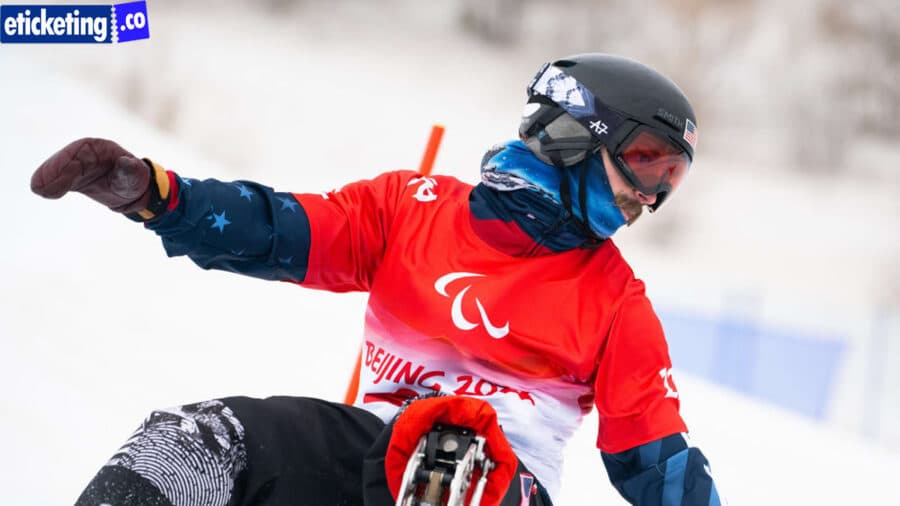
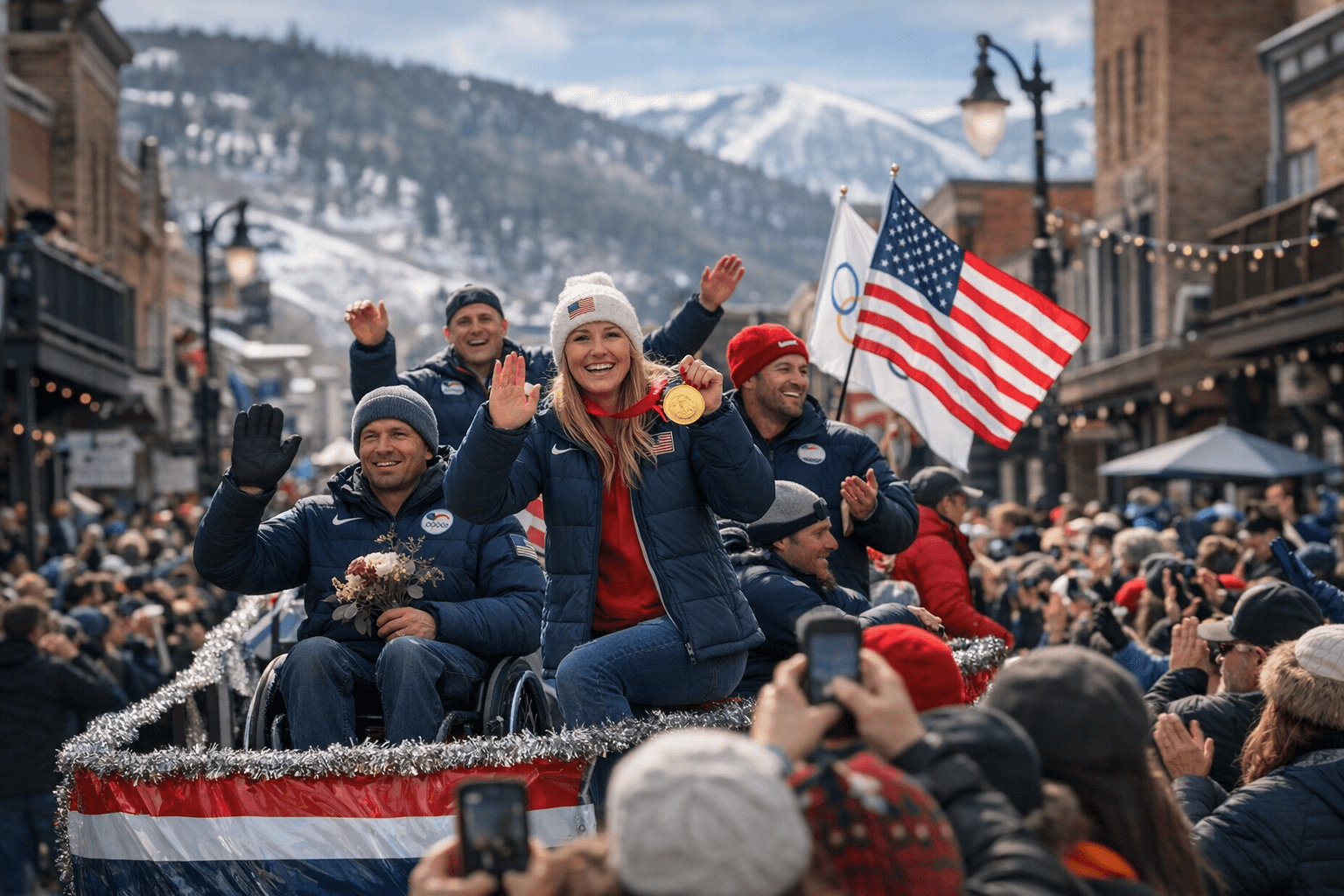
Noah Elliott captured gold and silver as a Paralympic snowboarder at the 2026 Winter Games; on April 3 he will be one of more than 60 athletes marching down Historic Main Street in Park City as part of a delegation that, by medal count alone, would rank 14th in the Olympic standings, tied with Finland and Australia.
That figure, drawn from Park City's 57-competitor contingent to the 2026 Games, is the most precise measure of what Thursday's Olympic and Paralympic Homecoming Parade actually represents. The procession begins at 5 p.m. on Lower Main Street, gives way to a recognition ceremony at the bottom of Main Street from 5:30 to 6 p.m., and closes with live music, photos, and autographs until 7 p.m. The Youth Sport Alliance organized the event in collaboration with the Utah Olympic Legacy Foundation, the National Ability Center, Park City Municipal Corporation, the Park City Chamber and Visitors Bureau, Summit County, and the U.S. Ski and Snowboard Association.
The 2026 results are what earned the delegation its informal "Park City Nation" designation. Connor Curran, Kaila Kuhn, and Chris Lillis won gold in mixed team aerials. Casey Dawson, Ethan Cepuran, and Emery Lehman took silver in the team pursuit. Zoe Atkin of Great Britain, Mac Forehand, Alex Hall, and Ashley Farquharson added further podium finishes, with Elliott's two Paralympic medals placing him among the delegation's most decorated competitors.
The tradition of honoring athletes on Main Street stretches back at least to the post-Sochi Games, when the community sent 63 athletes representing four countries, including the United States, Australia, Ireland, and Paraguay, and returned with three gold, two silver, and three bronze medals. Stein Eriksen, the 1952 Olympic champion who made Park City his home for decades, once led a homecoming procession down this same route. At a previous parade, Youth Sports Alliance Executive Director Aimee Preston articulated the pipeline that ceremony creates: "The ability to get an autograph or touch an Olympic medal is a motivator that will undoubtedly start an Olympic career for a young boy or girl, just like it did for Ted, Joss, Sage and Steve."
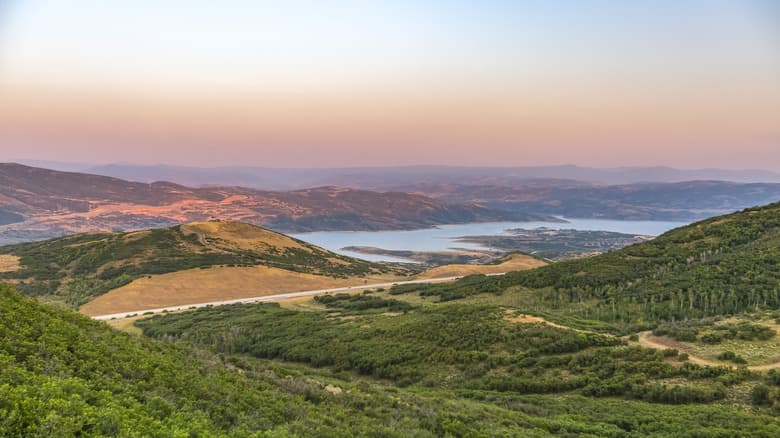
That pipeline carries measurable financial stakes. A 2024 report by the Kem C. Gardner Policy Institute found that Utah's Olympic legacy venues, including Utah Olympic Park in Summit County, contribute an estimated $78 million in GDP and approximately 1,045 jobs annually. Those same venues are already central to 2034 planning: Utah Olympic Park is slated to host freestyle, snowboard, ski jumping, and sliding events when Utah hosts the Games again. Utah lawmakers have been fast-tracking legislation to establish infrastructure funding zones specifically to ensure those facilities are ready well ahead of the opening ceremony.
The athletes walking down Main Street on Thursday are both the product of that infrastructure and the argument for expanding it. Whether Summit County's continued investment in world-class training grounds returns enough to residents in tourism revenue, facility access, and youth programming is a ledger the community will be reconciling long after 2034's closing ceremonies.
This article was produced by Prism’s automated news system from verified source data, official records, and press releases, then run through automated quality and moderation checks before publishing. The system is built and supervised by the people who set the standards it runs under. Read our full AI policy.
Did this article answer your question?