Park City police field calls about suspected homelessness in public spaces
Police have been called to City Park, the Old Town transit center and Main Street as Park City confronts visible homelessness with few places for people to go.
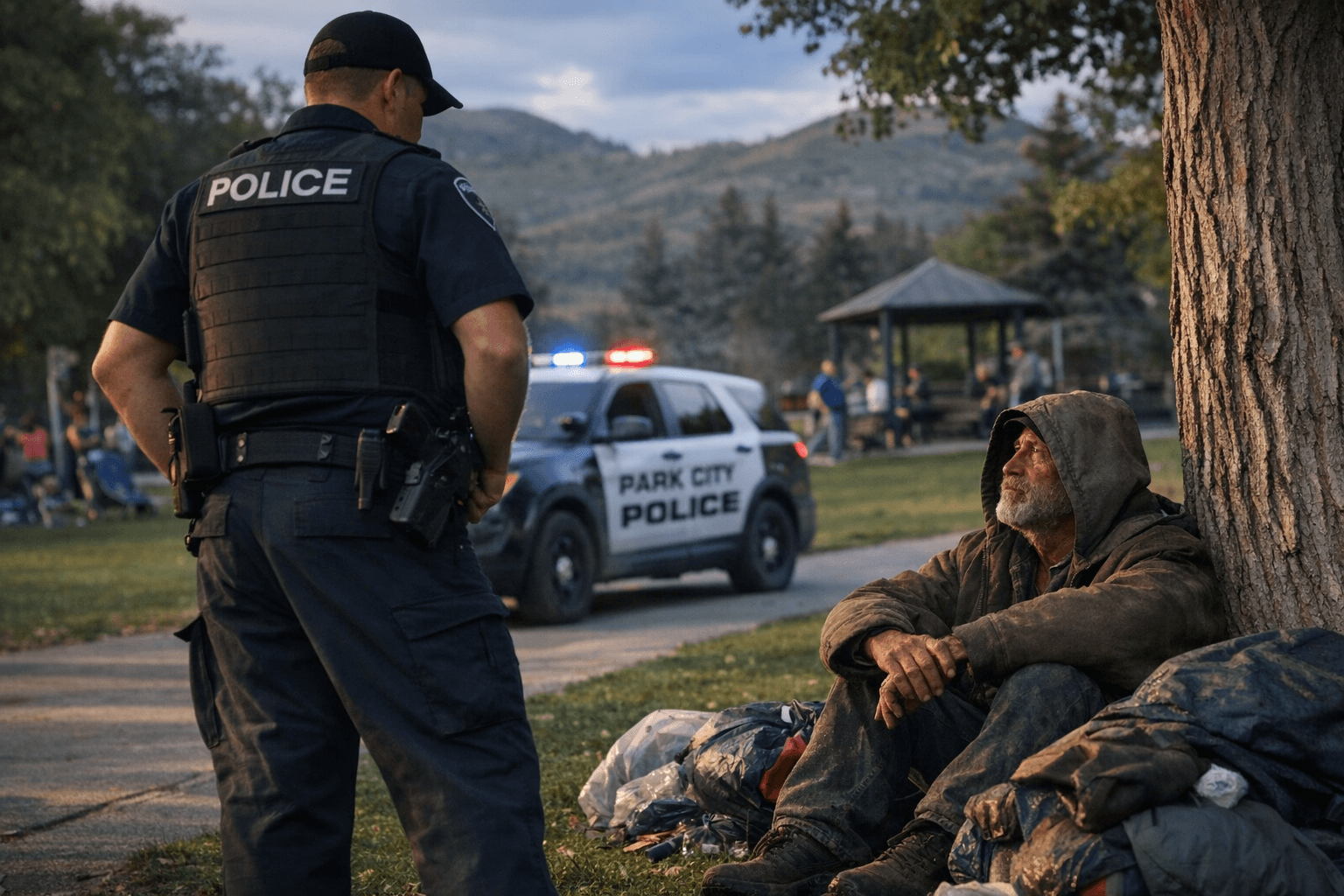
Park City police have been sent to the Old Town transit center, City Park restrooms and the Main Street post office in response to reports of people who appeared homeless, a pattern that puts public-space access and safety complaints at the center of a small city’s limited response capacity.
At least three of the recent calls were tied to municipal parks. That matters in Park City, where parks, transit stops and downtown restrooms serve both residents and visitors, and where a single report can quickly turn into a question of who is allowed to stay, who is asked to move, and what the city can realistically do next.
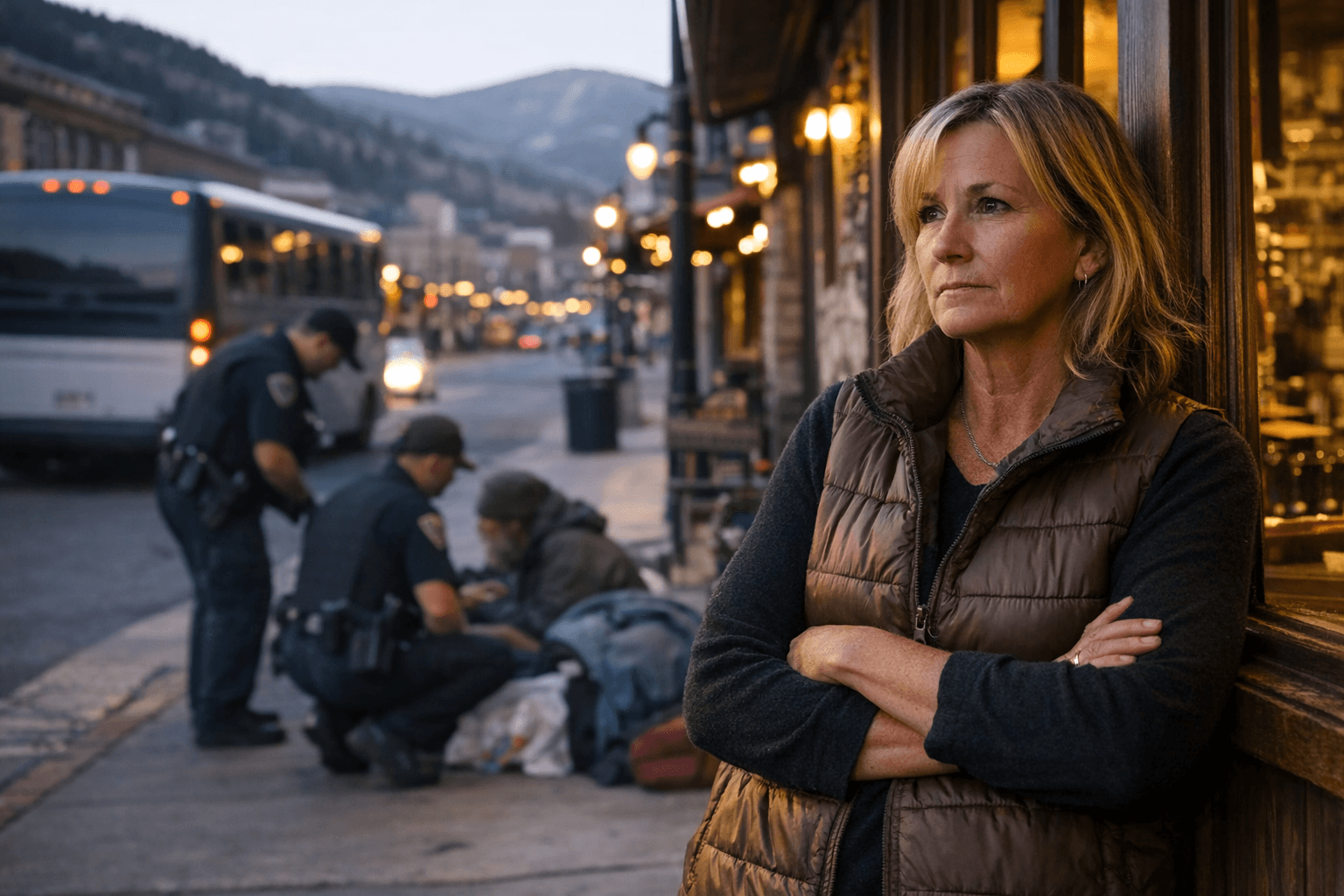
The city’s response has remained narrow. Volunteers who took part in the annual Point-in-Time count on Jan. 30, 2026, surveyed four people experiencing homelessness within city limits. Park City has no warming shelters or other designated places where unhoused people can sleep, and residents frequently call police when they suspect someone is homeless. Officers typically offer resources and ask people to relocate if they are trespassing.
The calls have not been isolated. Police reports over the past year and a half have described suspected homelessness in Main Street, the Old Town transit center, City Park, the library area and nearby streets, including repeated complaints in January, February, July and October of 2025 and again in late March and early April 2026. The pattern points to recurring visibility conflicts in the city’s most heavily used civic spaces rather than a large encampment problem.
That distinction matters for Park City’s broader housing debate. The federal government says Point-in-Time counts are one-night snapshots taken during the last 10 days of January, and notes that count reliability can vary by region. In the Wasatch Back, the Mountainland Continuum of Care links nonprofit and government agencies working on housing and homelessness across Utah, Wasatch and Summit counties.
The local pressure is easy to see even when homelessness itself remains relatively uncommon. Summit County has been described as facing a 1,674-unit affordable housing deficit, while the county’s area median income for a family of four reached about $168,600 in 2025. The county also imports about 65% of its labor, a sign of how expensive it has become to live close to the jobs that keep Park City running. In that setting, every call about someone sleeping, resting or lingering in a park becomes more than a nuisance complaint. It becomes a test of how a resort community balances public comfort, limited shelter options and the realities of housing insecurity.
This article was produced by Prism’s automated news system from verified source data, official records, and press releases, then run through automated quality and moderation checks before publishing. The system is built and supervised by the people who set the standards it runs under. Read our full AI policy.
Did this article answer your question?