State approves Kimball Junction housing, transit zone, adding 800 units
State approval cleared the way for Kimball Junction’s transit zone to finance roads, parking and housing, with 885 units now tied to the plan.
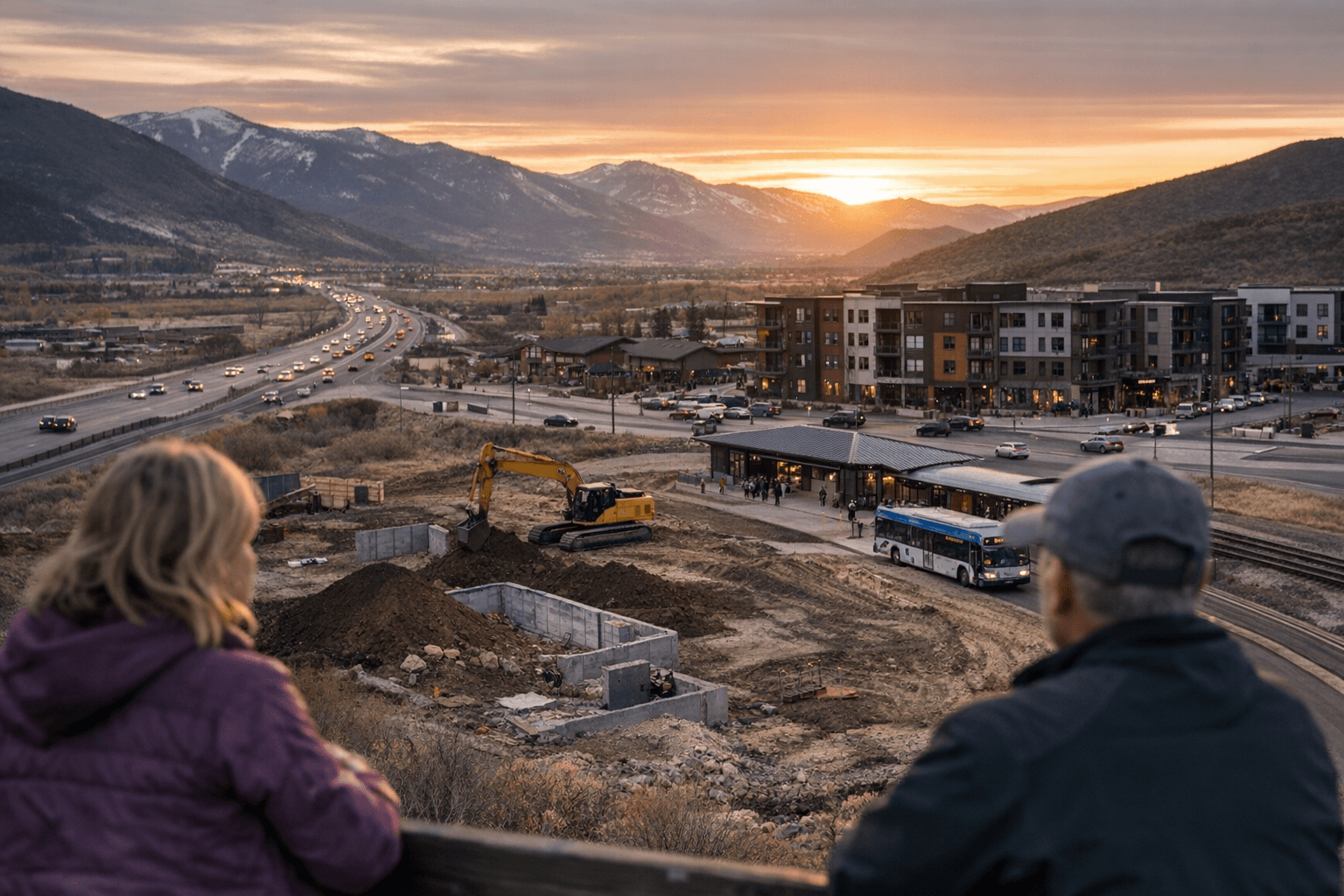
Kimball Junction’s next phase is no longer just a planning concept. With state approval of a Housing and Transit Reinvestment Zone, Summit County now has a financing tool it says could help pay for underground parking, an expanded Kimball Junction Transit Center and a pedestrian bridge over State Route 224 while unlocking more than 800 homes in one of the county’s most congested corridors.
The Utah Governor’s Office of Economic Opportunity approved the zone on April 15, after a unanimous March 23 vote by the HTRZ Committee. The zone covers about 60 acres and sits within one-third of a mile of the local transit center, a location state officials have said fits the purpose of the program. It is the ninth HTRZ approved in Utah.
County and state materials say the project could produce 885 residential units in all, including 500 deed-restricted and attainable units, 400 of them affordable, along with 385 market-rate units. The broader plan also includes 359,500 square feet of commercial space, a senior living facility, medical office buildings and a transit center, with a parking podium built to hold 1,000 vehicles.
The county says the zone is meant to do more than add housing. It is intended to reduce parking pressure, conserve water through more efficient land use and improve air quality by pushing daily trips toward transit. That matters at Kimball Junction, which Summit County’s own neighborhood plan describes as the designated Town Center in the Snyderville Basin and the region’s primary retail-commercial district. That same plan says decades of zoning fights, land-use litigation and site-specific development agreements have left the area with traffic congestion, a weak public realm and a hostile pedestrian environment.
The financing side is what makes the approval consequential. County Manager Shayne Scott has estimated the HTRZ could generate between $8 million and $12 million over 25 years. A consultant report says up to 80 percent of the tax increment produced inside the zone would be redirected back into the project rather than flow to normal county and district revenues. Summit County says those dollars could help pay for the transit center, parking, the pedestrian bridge, a park and an amphitheater, but Dakota Pacific Real Estate is not seeking HTRZ money for developer-owned housing.
That structure leaves a clear question hanging over Kimball Junction: whether the reinvestment will be large enough to deliver the traffic relief, transit access and affordability the county has promised. The project has been debated for years, including a 2025 referendum effort in which residents argued that traffic should be solved before more housing is built. The state approval gives the development its strongest public backing yet, but it also raises the stakes for whether Kimball Junction finally becomes the mixed-use town center planners have long envisioned.
This article was produced by Prism’s automated news system from verified source data, official records, and press releases, then run through automated quality and moderation checks before publishing. The system is built and supervised by the people who set the standards it runs under. Read our full AI policy.
Did this article answer your question?

