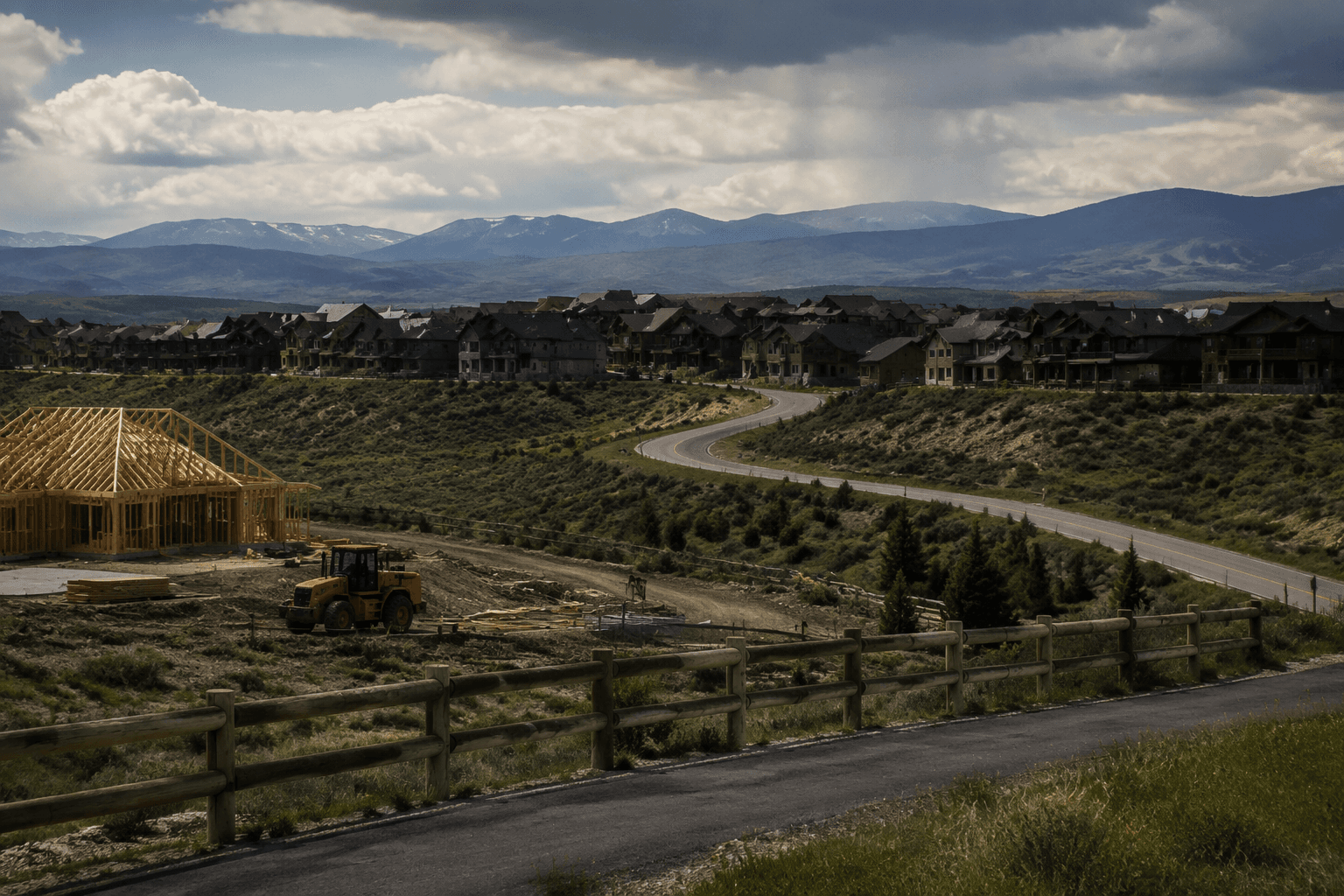
Summit County eyes neighborhood limits on nightly rentals this summer
Summit County is preparing block-by-block nightly rental limits after a year of tracking units and complaints, a move that could hit Park City and other high-pressure neighborhoods.
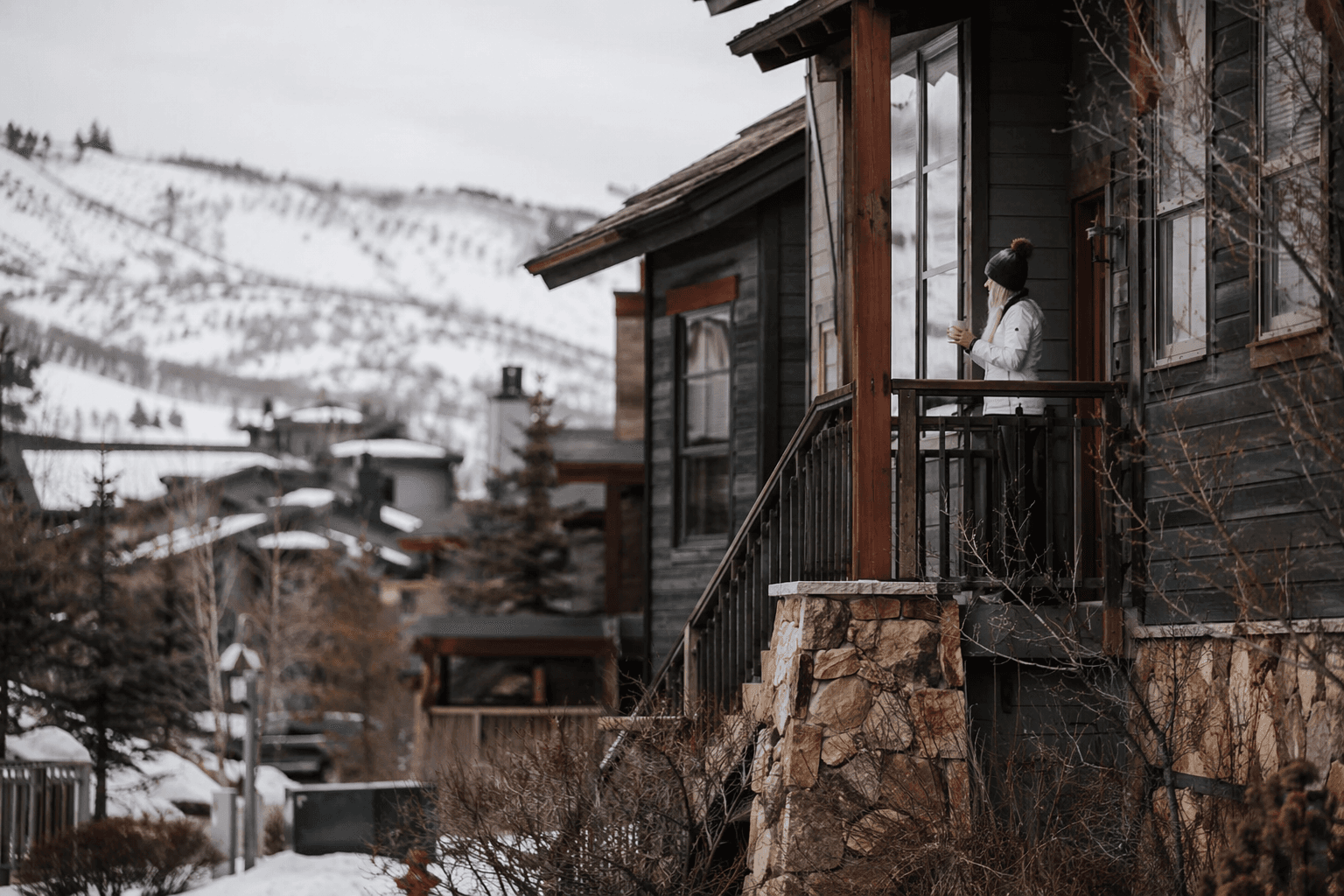
After a year of collecting data, identifying units and enforcing licensing laws, Summit County is preparing to put neighborhood-specific limits on nightly rentals before the County Council in August. The move marks a shift from counting the scale of the market to deciding where visitor traffic, parking pressure and housing strain have become too costly to ignore.
The stakes are unusually high in a county where about 23.8% of total housing was listed as a short-term rental, according to a Kem C. Gardner Institute report cited in 2024. That same analysis said Utah's monthly short-term rental listings rose 39.4% from 2021 to 2023, underscoring why the county's debate has moved beyond a narrow zoning question. Any limits are expected to land hardest in places where nightly rentals cluster, including Park City, the Snyderville Basin and east-side towns, where residents have long complained about turnover, trash, parking and the loss of neighborhood character.
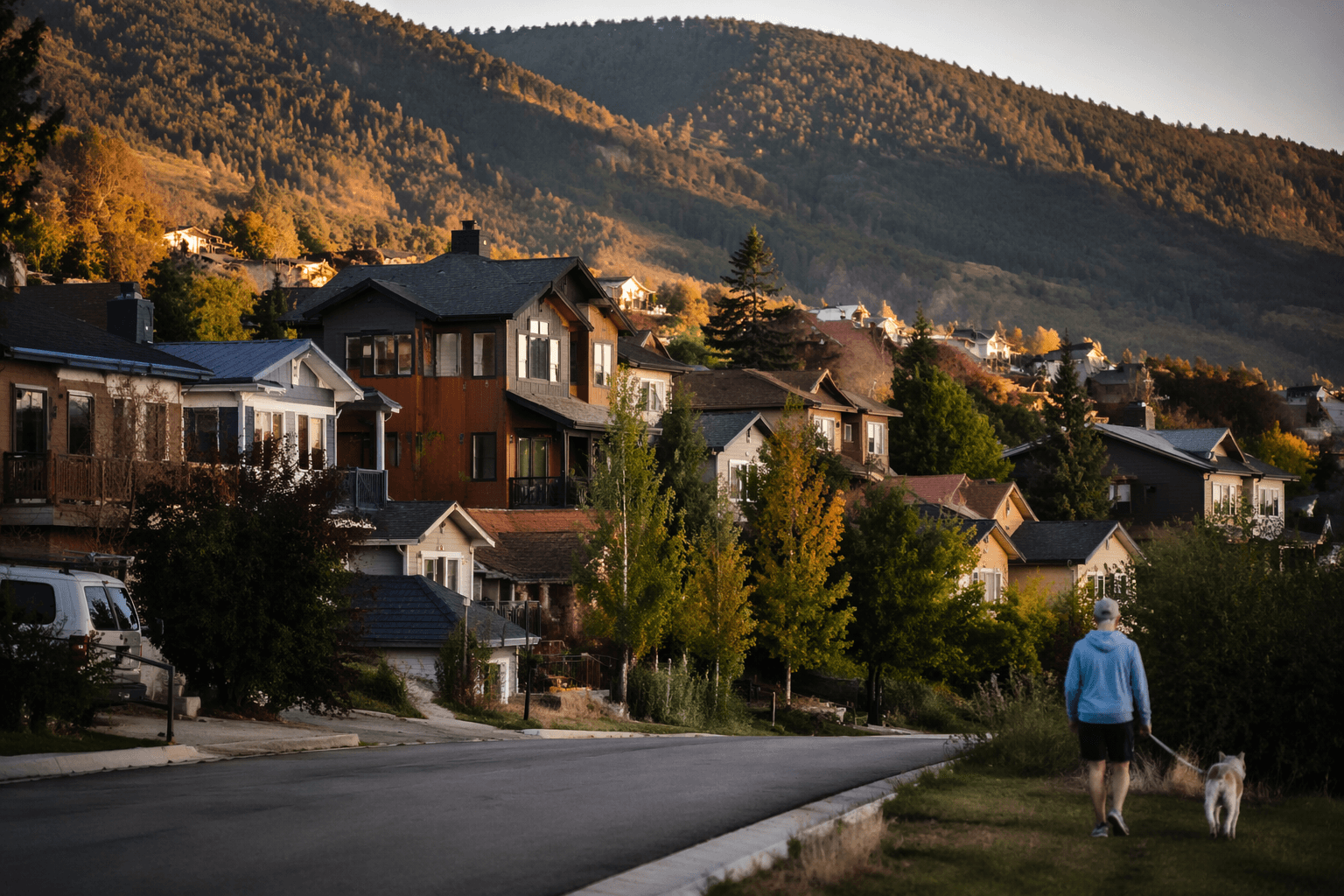
Summit County has not waited for the ordinance fight to begin. In January 2026, the county launched a 24/7 hotline staffed by trained operators so residents could report short-term rental problems in their neighborhoods. County officials also began using new software to track violations and enforce local ordinances, adding another layer to an effort that had already included a year of work to identify units and tighten licensing compliance.
That enforcement push followed a longer policy arc. The County Council had already been considering new ways to regulate nightly rentals in May 2022, revisited the issue in January 2023 and even weighed a moratorium on licenses. By late 2024, county staff were discussing new software and fee changes to better track the market. A staff report later said the county had acquired Azora, a system designed to identify nightly rental units by neighborhood and help with compliance and business-license enforcement, with the first compliance letters planned for mid-September 2025 and the complaint module set to go live then.
The coming ordinance will also have to fit inside Utah's shifting legal framework. State lawmakers' 2025 HB 256 allowed counties that regulate short-term rentals to use online listings as evidence when supported by other information, require permits or business licenses and request removal of violating listings. A 2024 amendment required counties with permit ordinances to add provisions promoting public health, safety and welfare. For Summit County, the August review will test whether that state room can be used to protect long-term housing, keep tourism income in check and enforce the rules enough to change the feel of the county's most crowded neighborhoods.
This article was produced by Prism’s automated news system from verified source data, official records, and press releases, then run through automated quality and moderation checks before publishing. The system is built and supervised by the people who set the standards it runs under. Read our full AI policy.
Did this article answer your question?