Summit County Partners Launch Three-Month Campaign to Combat Mental Health Stigma
Summit Support and the Mental Wellness Alliance launched a 90-day anti-stigma campaign as Summit County's suicide rate sits at roughly 16.4 per 100,000 and providers keep leaving the Wasatch Back.
John Davis's Summit Support and the Summit County Mental Wellness Alliance launched a 90-day anti-stigma initiative Sunday, announcing a calendar of seminars, workshops and agency open houses running through the end of June in a county where local health officials have placed the suicide rate at roughly 16.4 per 100,000 residents and a 17% statewide decline in active mental health licenses has left the behavioral health network stretched thin.
The campaign is timed partly around National Mental Health Awareness Month in May and targets what organizers describe as a persistent gap between Wasatch Back residents and the services available to them. Summit County's behavioral health network spans 92 clinicians across Summit and Wasatch counties and operates on an annual budget of roughly $9 million, yet capacity has been eroding. The pool of providers willing to treat substance use disorder clients has shrunk, and the county's cost of living has pushed some of its most severely ill residents toward Salt Lake and Utah counties, compounding access problems for those who stay.
The initiative arrives during the stretch that behavioral health workers flag as the highest-risk period of the year. The Summit County Health Department's Behavioral Health Division has documented an offseason spike in crisis calls as resort traffic drops, social isolation rises and economic pressure on seasonal workers peaks. The April-through-June window chosen by the Alliance and Summit Support falls squarely in that vulnerable stretch.
The workforce cost of untreated mental illness is built into the campaign's rationale. The top adult diagnoses in the county's behavioral health network are generalized anxiety disorder, depression and relationship counseling, with the latter driven substantially by workplace friction as employees returned to in-person settings. Those conditions, left unaddressed because of stigma or access barriers, accumulate as absenteeism and turnover: costs that Park City's hospitality employers, already managing seasonal staffing volatility, absorb at elevated rates year-round.
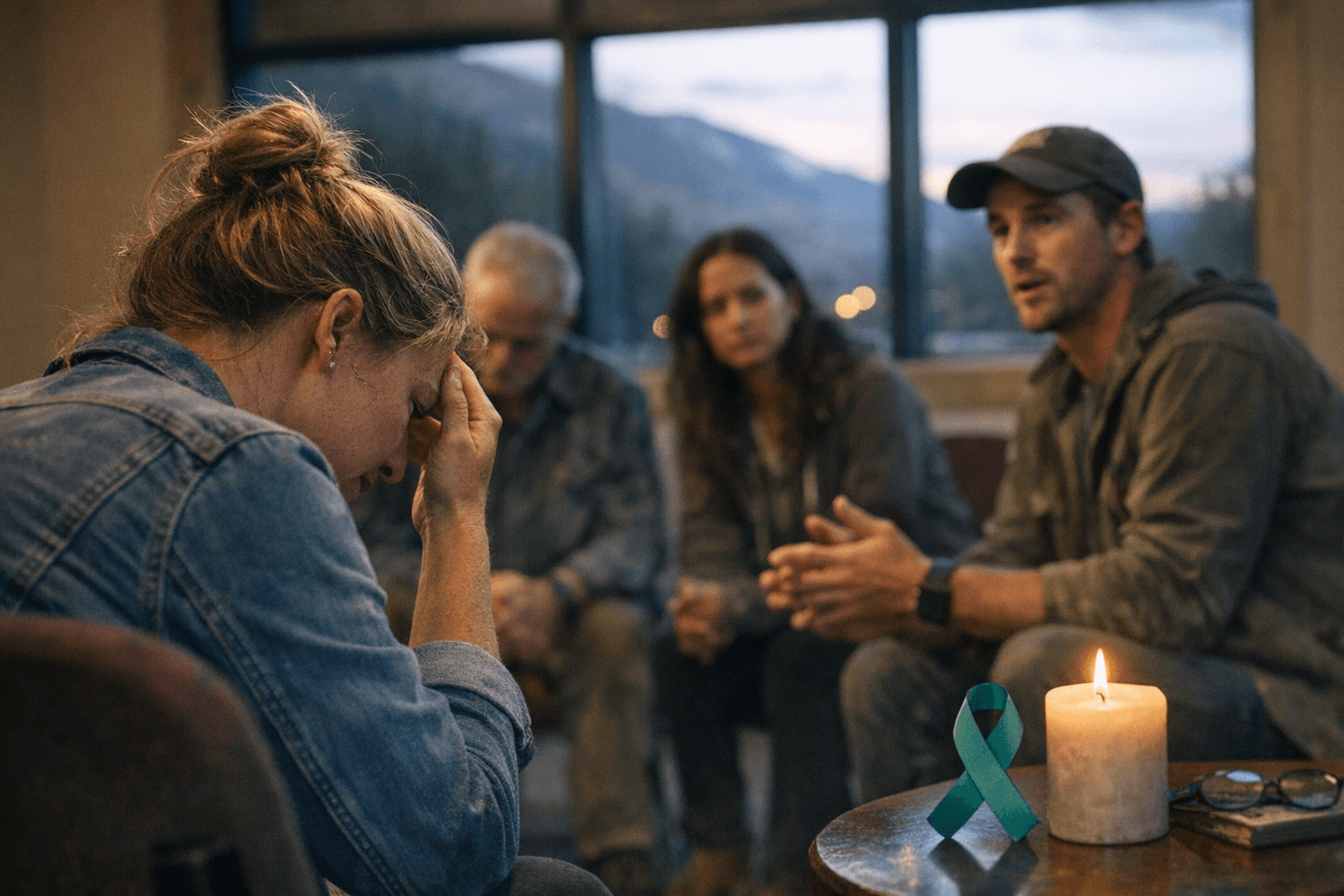
The three-month program offers a lower threshold than a crisis call: residents can walk into an agency open house, sit in on a workshop or attend a seminar without having to identify themselves as being in distress. Whether that approach moves measurable indicators by June 30, among them reduced crisis call volume, increased provider enrollment or tracked emergency room diversions, has not been publicly defined by the organizing partners.
Residents who need help now can reach the Summit County crisis line at (435) 649-8347 by pressing 1. The national 988 Suicide and Crisis Lifeline operates 24 hours a day. Building Hope Summit offers a step-by-step mental health navigation tool and provider locator for Summit County residents. CONNECT Summit County maintains a calendar of local events and provider listings, and Summit Support can connect residents with local resources and advocates. All are open to Summit County residents regardless of insurance status.
This article was produced by Prism’s automated news system from verified source data, official records, and press releases, then run through automated quality and moderation checks before publishing. The system is built and supervised by the people who set the standards it runs under. Read our full AI policy.
Did this article answer your question?