Tiny produce stickers create big recycling problems in Summit County
A tiny produce sticker can ride into Summit County’s compost or recycling loads and become contamination, forcing extra cleanup far beyond the kitchen sink.
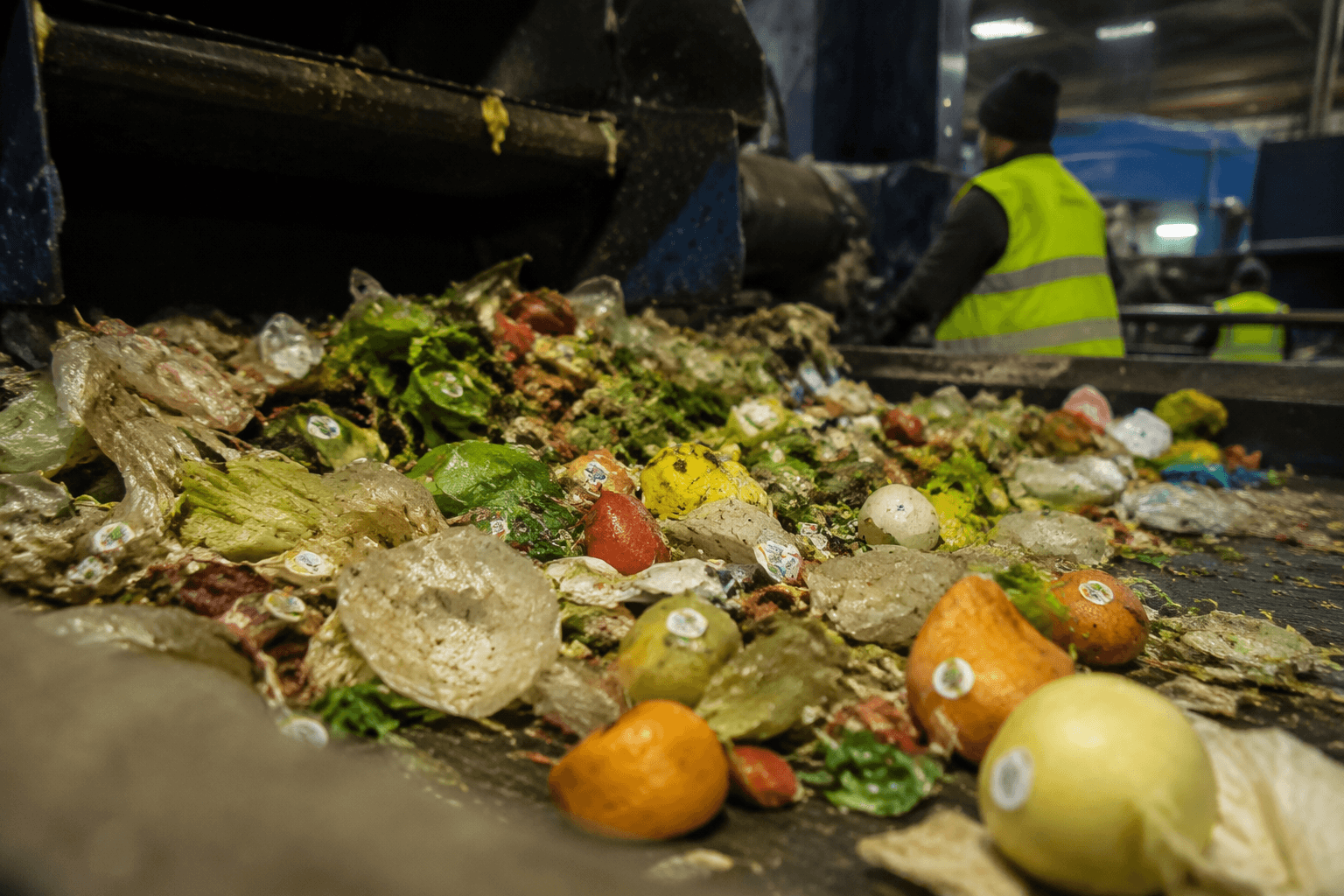
A sticker left on an apple peel can do more than annoy a composter. In Summit County, it can slip into a waste stream that depends on clean material and turn into contamination that slows sorting, weakens compost quality, and complicates recycling downstream.
Why a produce sticker is not a tiny problem
Recycle Utah’s July 22 post on produce stickers focuses on apples, bananas and avocados, the everyday fruit most people handle without a second thought. Those stickers contain information used for pricing and identifying fruits and vegetables, which is why they are so common on produce shelves and in kitchen bins.
The problem starts after the fruit is eaten. If the sticker stays on the peel, core or leftover scraps, it does not vanish when the food goes into a compost bucket or trash can. It stays behind as a contaminant, the kind of small material that sorting equipment and composting operations are built to avoid.
One sticker is easy to ignore. Hundreds of stickers from households, restaurants and visitor traffic across Park City and the wider Wasatch Back can add up to a stream of plastic-backed debris that does not belong in either compost or recyclable material.
How Summit County’s waste stream makes this local
Recycle Utah is a nonprofit Summit County, Utah recycling center, and its education work has consistently focused on the everyday habits that shape what happens after pickup. Its “Where Does My Material Go?” guide tells residents that just because an item has a recycling symbol on it, “it’s not always curbside recyclable.” Produce stickers fit that warning exactly: small, ordinary and easy to misread as harmless.
Summit County curbside recycling is transported to Waste Management’s Materials Recovery Facility in Salt Lake City. That means what residents toss into the blue bin does not stop in Summit County. It travels to a large regional sorting facility, where extra contamination can interfere with efficient processing and reduce the quality of recovered material.
Composting faces a similar issue. Food-scrap systems work best when the input is clean, because the goal is to turn organic material into something usable, not to spend time separating out bits of plastic backing and adhesive. A sticker on an avocado peel may be tiny, but it is still the wrong material in a load that is supposed to be organic.
The timing matters as the county keeps reshaping its system
The sticker warning arrives while Summit County, Park City and Recycle Utah are already in the middle of a longer waste-diversion transition. On Oct. 15, 2025, the three partners announced a coordinated waste diversion plan for summer 2026, signaling that the county’s recycling and diversion system is still being reorganized rather than frozen in place.
On Jan. 10, 2025, Recycle Utah proposed a $25 million facility aimed at improving the rate of recycling. Then, on Feb. 5, 2026, Summit County transferred property to Park City for a future Recycle Utah facility.
Do this, not that
The simplest fix is to break the habit before the peel goes in the bin.
- Peel off produce stickers before you compost fruit scraps, peels or cores.
- Check apples, bananas and avocados before tossing them in a food-scrap container.
- Treat adhesive labels as trash unless you know your local program accepts them.
- Use Recycle Utah’s “Where Does My Material Go?” guide when a bin label or recycling symbol looks misleading.
- If you are unsure, separate the sticker and put it in the garbage rather than guessing.
Do this:
- Do not assume a sticker is compostable just because it came off a piece of fruit.
- Do not rely on a recycling symbol alone to decide what belongs in curbside recycling.
- Do not leave labels on produce scraps headed for a compost bin, because the contamination stays in the system.
Not that:
A small habit with countywide consequences
Summit County’s recycling and diversion efforts depend on ordinary decisions made at home, in kitchens, break rooms and restaurant prep areas. A produce sticker is easy to miss, but once it enters a compost pile or recycling load, it becomes part of the cleanup burden that local systems are trying to reduce.
This article was produced by Prism’s automated news system from verified source data, official records, and press releases, then run through automated quality and moderation checks before publishing. The system is built and supervised by the people who set the standards it runs under. Read our full AI policy.
Did this article answer your question?