TownLift reports: 'Utah goes nuclear to keep ski runs cold' — an unusual proposal draws attention
TownLift's April Fools satire about $1.2B Wasatch reactors was fiction, but Utah's real nuclear ambitions and what they mean for Park City ski ops deserve a harder look.
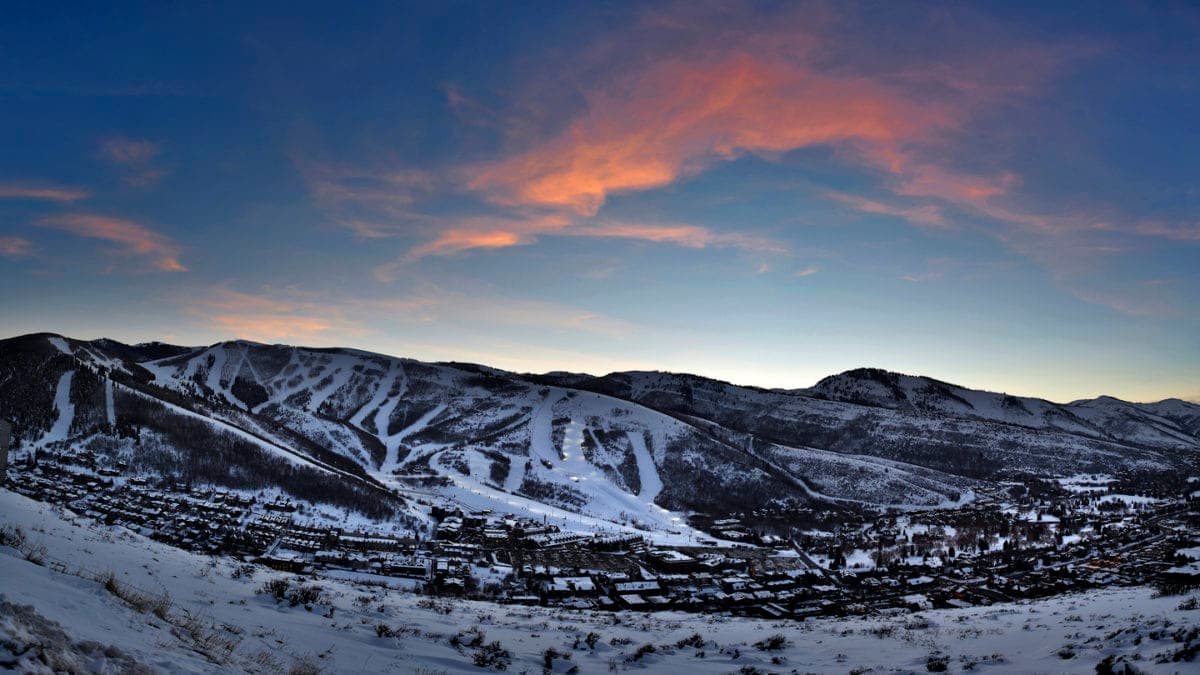
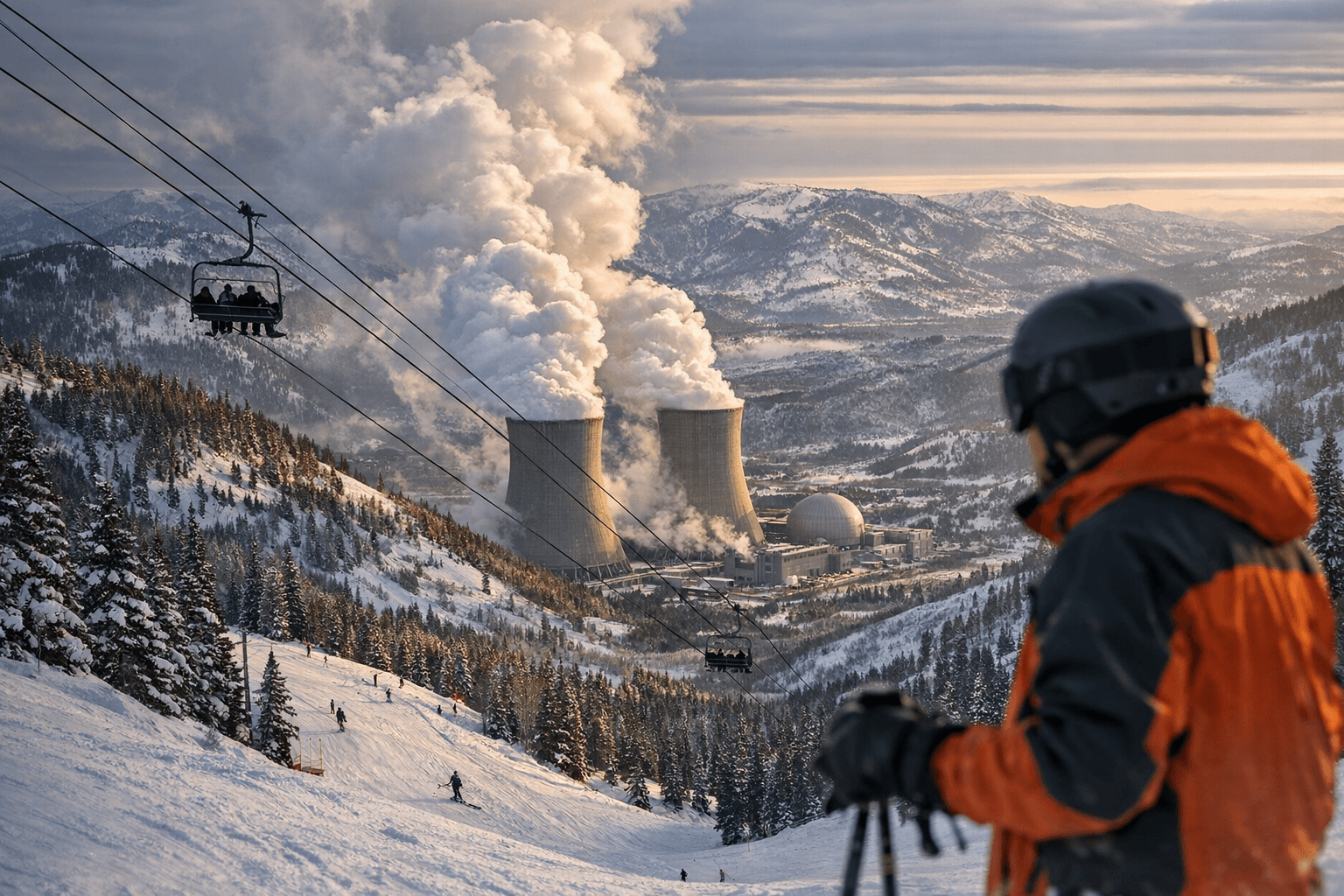
A TownLift piece published April 1 described a $1.2 billion agreement with a Vienna-based energy consortium to install three micro nuclear reactors along the Wasatch Range, framed as a climate hedge for Utah's ski slopes before the 2034 Winter Olympics. The editor's note attached to it was unambiguous: "This article is fictional satire created for entertainment purposes." All quoted officials, the consortium, the legislation, and the snowpack-cooling science were fabricated.
The joke landed, though, because it arrived the same week Utah made a genuine nuclear announcement. On March 27, Gov. Spencer Cox stood at a remote stretch of northwest Tooele County and declared Utah would submit a proposal to the U.S. Department of Energy to build a nuclear fuel lifecycle innovation campus on school trust lands in the West Desert, roughly an hour's drive from Salt Lake City. That campus, part of Cox's "Operation Gigawatt" initiative, would handle uranium enrichment, fuel fabrication, reprocessing, and waste disposition, not reactors aimed at cooling Deer Valley's runs. The state's initial nuclear investment under Operation Gigawatt is estimated at approximately $50 million.
The gap between the satire and the reality matters for Summit County. No proposal before any state agency involves siting reactors on the Wasatch Range. The Tooele County bid is a desert facility, 60-plus miles from Park City, conceived primarily to address surging grid demand from data centers and population growth, not to backstop snowmaking. Nuclear power generates electricity; it does not directly cool snow. Whether cheaper or more reliable electrons eventually reach Deer Valley's snowmaking compressors would depend on transmission capacity, Rocky Mountain Power's rate structure, and grid interconnection, none of which Cox's announcement addressed.
Operation Gigawatt frames Utah's challenge plainly: Rocky Mountain Power, the state's dominant electricity provider, lacks the generation capacity to meet current and projected demand. That gap is a real concern for Summit County ski operations, which run energy-intensive snowmaking systems through shoulder seasons as natural snow becomes less reliable. But the Tooele County nuclear campus, even if the DOE accepts Utah's application, would take years to permit, site, finance, and build. The Nuclear Regulatory Commission's licensing process alone typically runs several years for novel reactor designs, and a full lifecycle campus handling enrichment and waste would face additional federal and state environmental review, water use analysis, and public comment requirements.
None of those specifics, including projected in-service dates, estimated water draw in an already arid basin, waste volumes, or ratepayer impact on Rocky Mountain Power customers, have been publicly detailed. Cox's announcement identified the "what" in broad terms and left the "when," "how much," and "at whose cost" unanswered.
For Park City and Summit County, the practical question is not whether nuclear energy sounds bold, but whether any of the state's current nuclear planning translates to lower or more stable electricity bills for ski resorts, or to grid reliability improvements on the Wasatch Front before 2034. Until the DOE responds to Utah's lifecycle campus application and the state publishes specifics on site permits, water rights, waste contracts, and projected ratepayer effects, the satire and the policy are operating at roughly the same level of detail.
This article was produced by Prism’s automated news system from verified source data, official records, and press releases, then run through automated quality and moderation checks before publishing. The system is built and supervised by the people who set the standards it runs under. Read our full AI policy.
Did this article answer your question?