Utah warns Summit County leaders to prepare for summer water shortages
Utah said peak runoff has already passed, putting Park City and other Summit County water systems on notice before summer demand climbs.
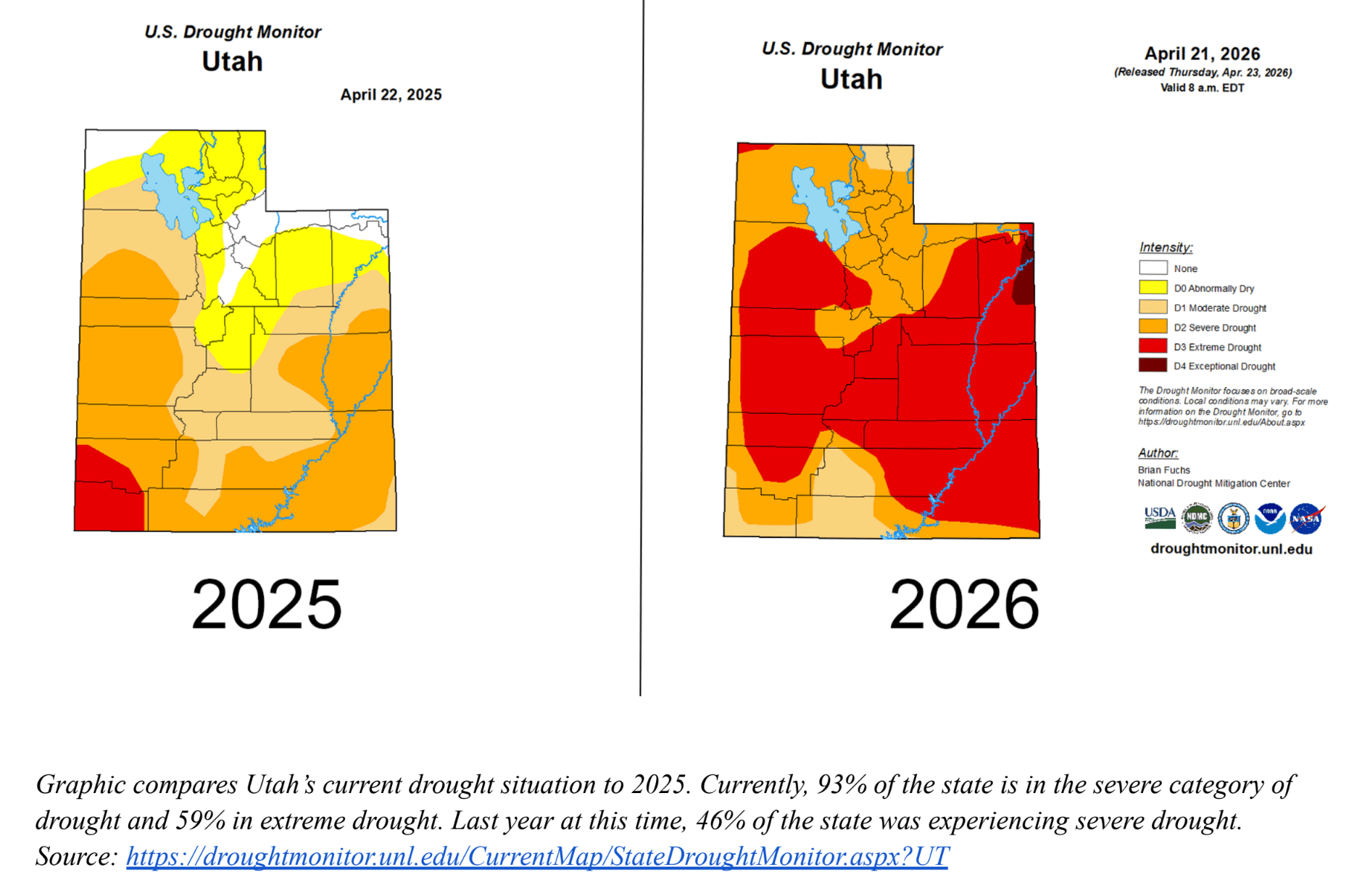
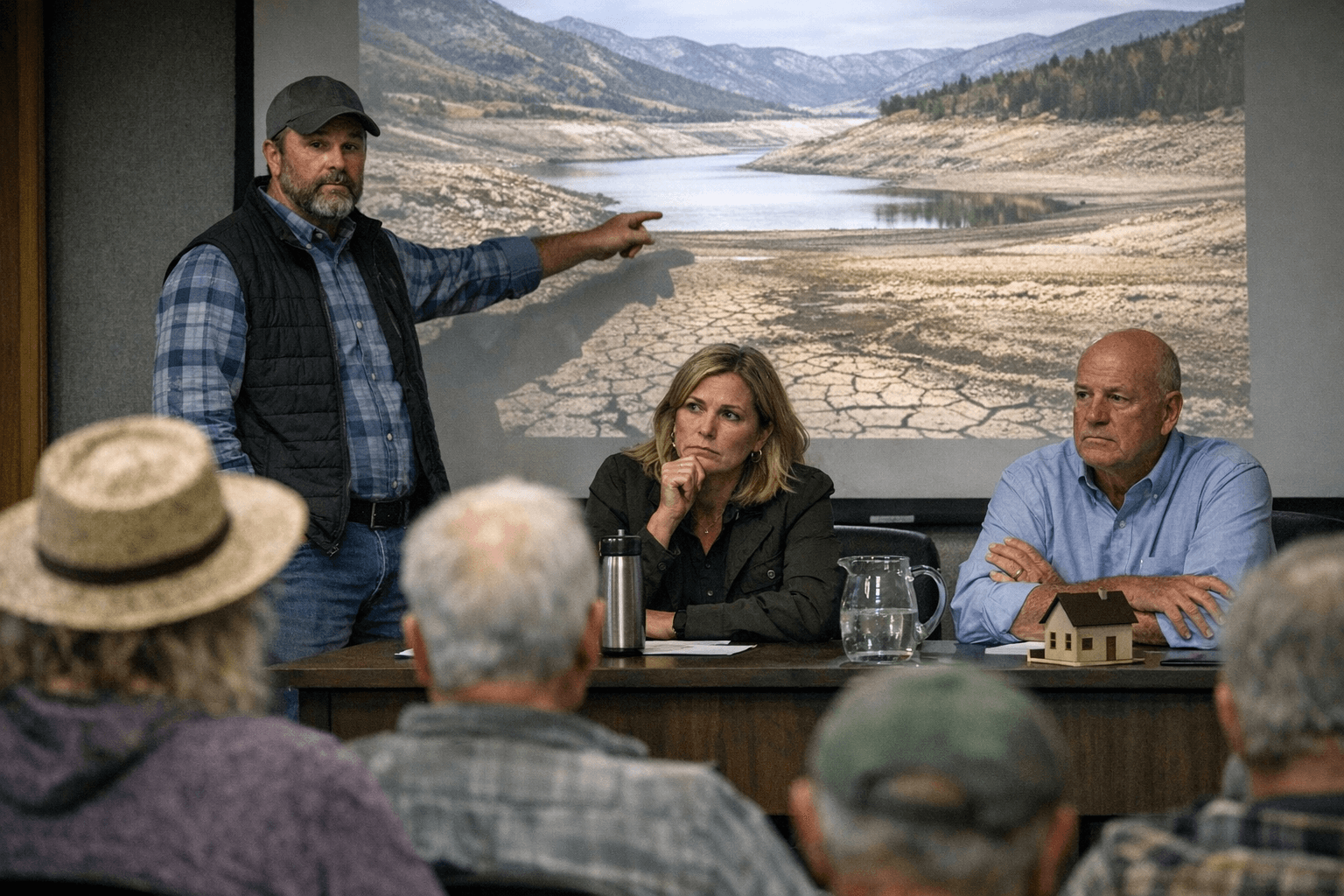
Utah water officials are warning Summit County leaders to get ready now for a summer of tighter supplies, because the spring runoff that usually helps refill rivers and reservoirs has already peaked. The Utah Division of Water Resources said April 23 that record-low snowpack and record-high temperatures pushed peak runoff through the state earlier than normal, a signal that could hit Park City neighborhoods, resort landscaping, and other outdoor water users before the hottest months arrive.
State officials said Utah’s statewide streamflow runoff is expected to run at about 50% of normal this year, while natural inflows from the Colorado River into Lake Powell are projected at 40% of normal. With about 95% of Utah’s water supply coming from snowpack, the early melt and weak snow year leave little cushion for local providers that rely on seasonal runoff to carry them through summer demand. The division scheduled a virtual media update and question-and-answer session for April 28 to discuss the conditions.
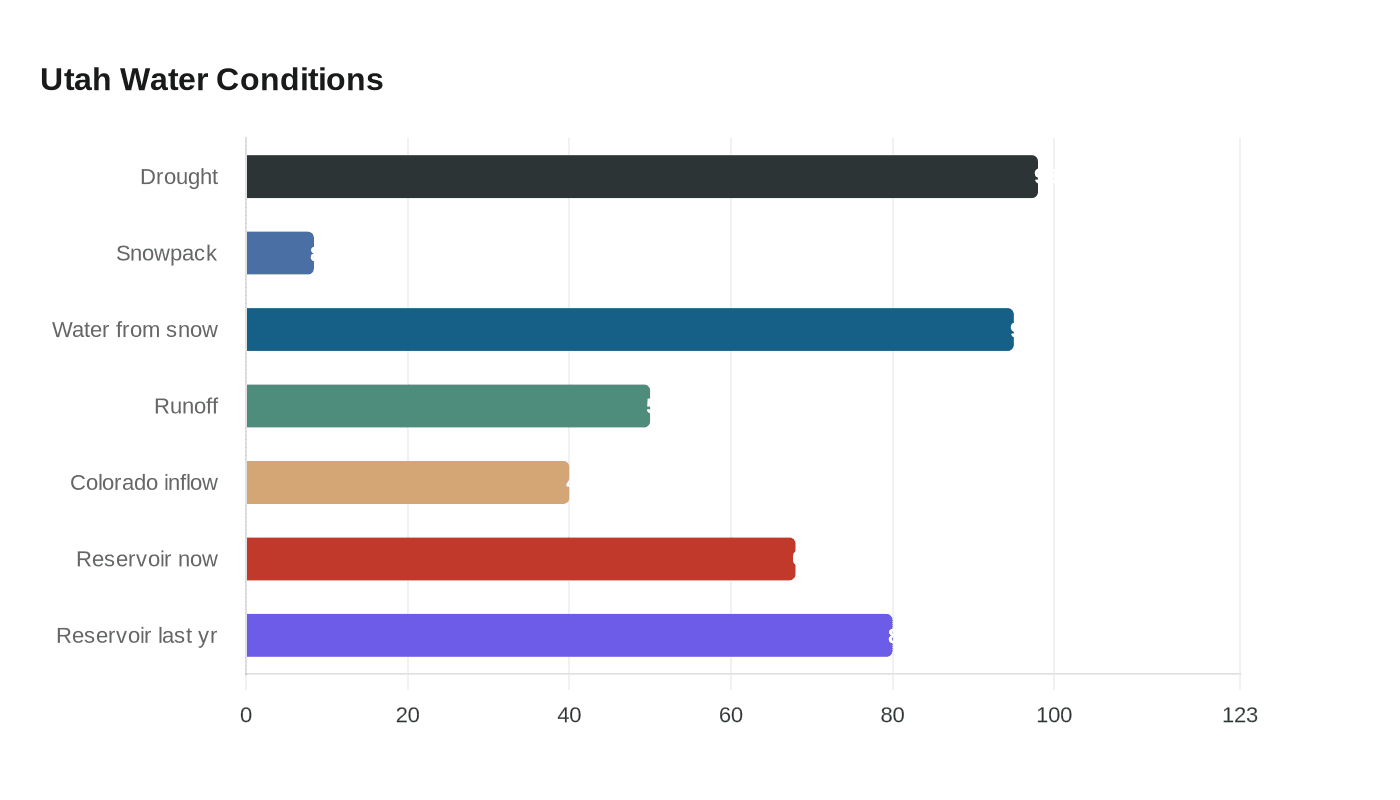
The March 2026 water conditions update showed how thin that cushion already was. Reservoir storage averaged 68% full, down from 80% a year earlier, and the division said 98% of Utah was in some form of drought. Utah’s snowpack peaked March 9 at 8.4 inches, which the state said was the lowest on record and about half of what Utah typically receives by early April.
That matters in Summit County because the county’s water needs stretch beyond household taps. Fast-growing subdivisions, hotels, golf courses, parks, trails, and construction sites all depend on reliable summer water, and drought planning usually reaches them first through irrigation restrictions, conservation messaging, and tougher compliance. If runoff stays weak, local providers may have to move faster on watering limits, budget decisions, and emergency conservation measures that can affect landscaping, project timelines, and the look of peak tourism season.
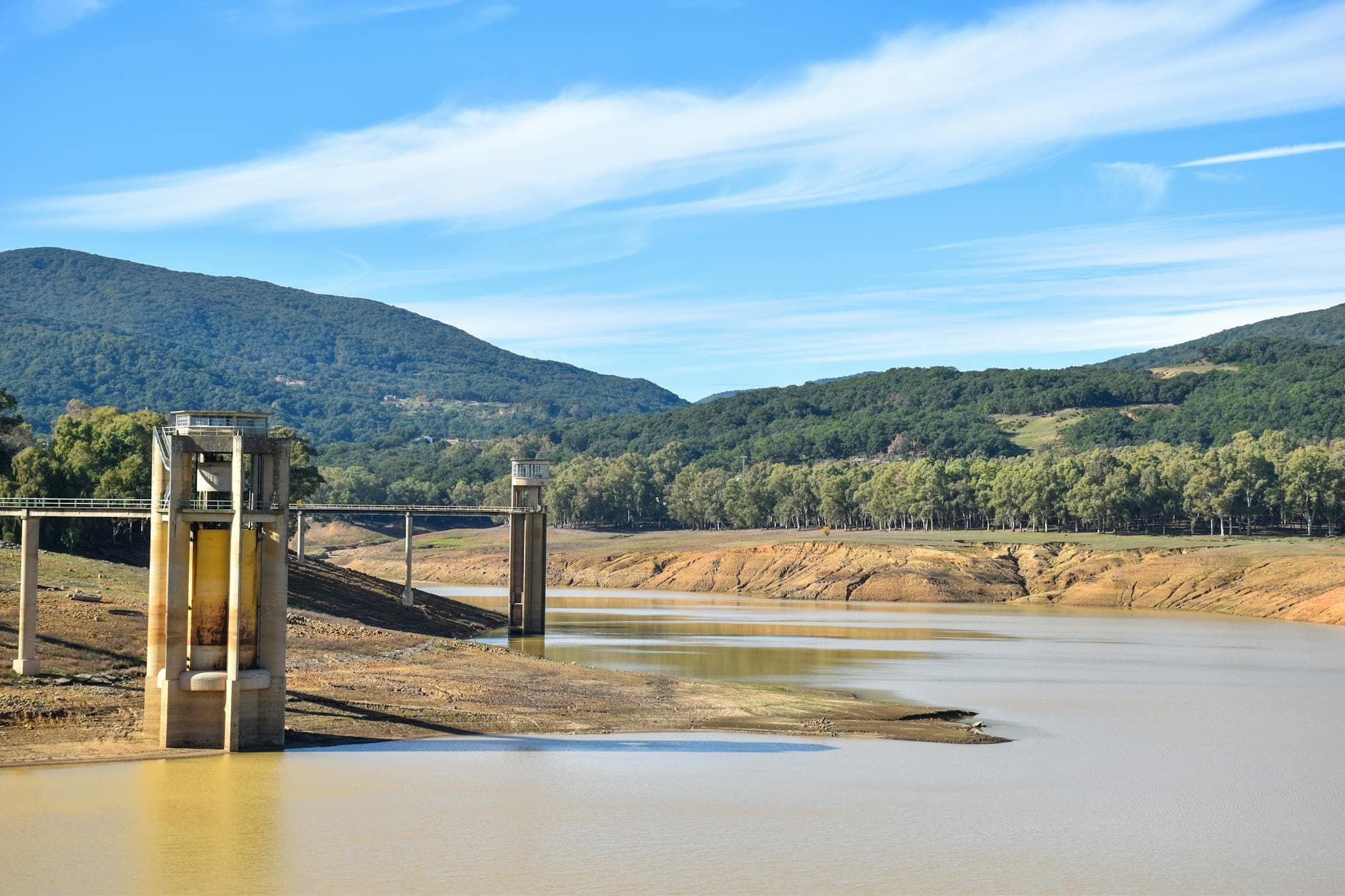
The state’s warning also lands against a broader backdrop of unequal storage. A Utah water official said systems with reservoirs such as Strawberry Reservoir and Jordanelle Reservoir can store up to seven years of water needs, while other systems can store only about two years. That gap helps explain why some communities can ride out a bad snow year longer than others, including parts of Summit County connected to regional infrastructure rather than deep local storage.
On March 21, Utah joined Wyoming, Colorado, and New Mexico in approving a plan to release between 660,000 and 1 million acre-feet from Flaming Gorge Reservoir through April 2027 to help protect Lake Powell. The state’s drought planners have treated the problem as recurring, not temporary, and in April 2025 Gov. Spencer Cox issued a drought executive order declaring a state of emergency in 17 counties. For Summit County, the message is clear: summer water stress is no longer a distant risk, and local leaders are being asked to prepare before the shortages show up at the tap.
This article was produced by Prism’s automated news system from verified source data, official records, and press releases, then run through automated quality and moderation checks before publishing. The system is built and supervised by the people who set the standards it runs under. Read our full AI policy.
Did this article answer your question?