Warm Winter, Low Snow Squeeze Park City Lodging and Sales Tax Revenue
Park City lodging operators began releasing seasonal staff weeks early as a warm, low-snow winter pushed February occupancy down 12% and March projections down 16%.
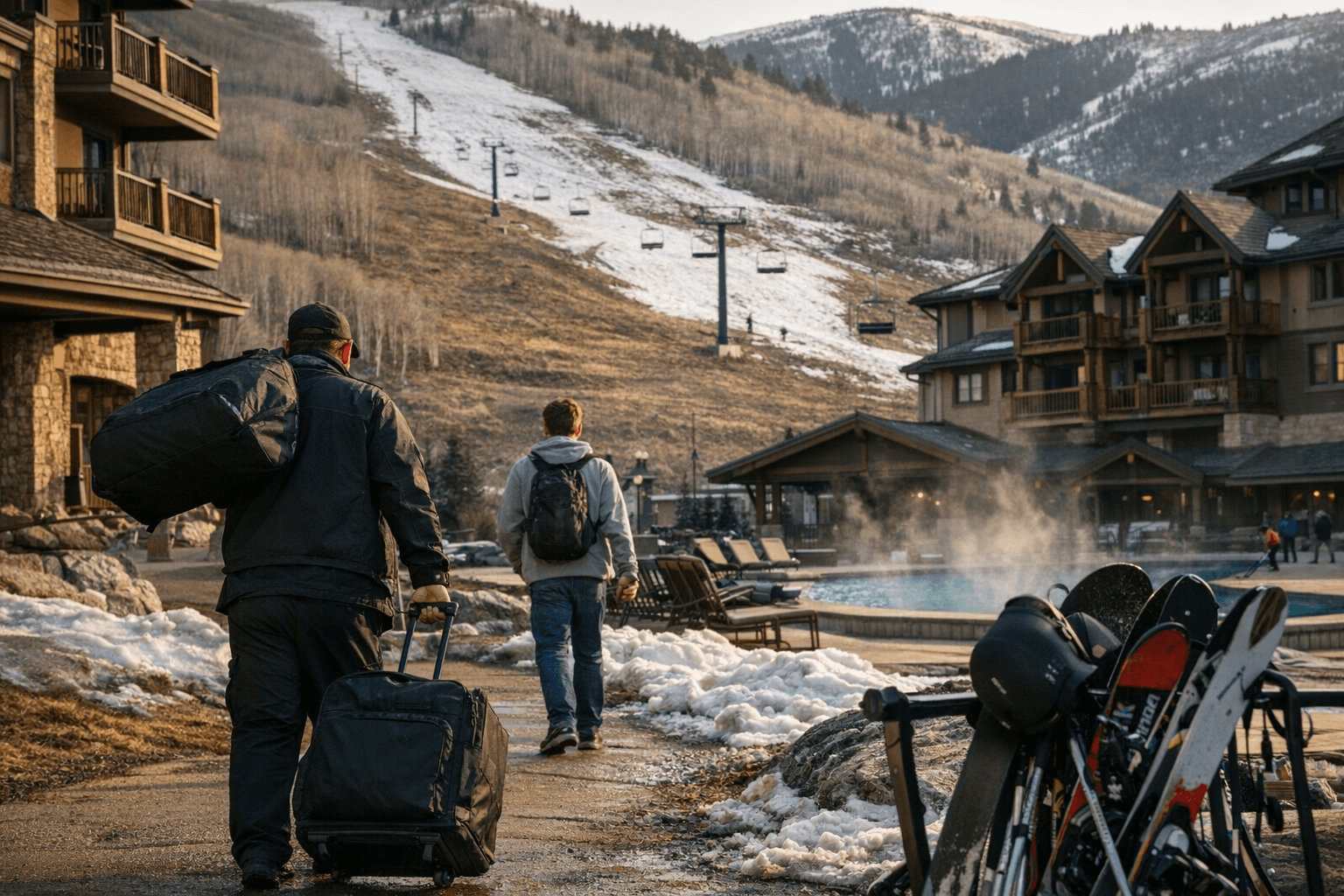
A Park City lodging operator started releasing workers well before the typical end of season this spring, explaining that staff were being let go who "typically would be here till mid-April." The early departures were a human measure of what municipal budget reports and Park City Chamber of Commerce lodging data confirmed in harder numbers: the 2025-26 ski winter compressed and contracted, and the local economy contracted with it.
Chamber data showed February lodging occupancy down roughly 12% from typical seasonal figures, with March projected to fall around 16%. Sales-tax receipts tracked by city budget staff came in mixed across categories, with some lines running below quarterly projections. Together, the figures painted a picture of a season that started late, ended early, and never fully delivered the room-night and retail volume that Park City businesses plan their staffing, inventory, and cash flow around.
Utah's statewide snowpack hit historically low values earlier than usual this spring, shortening the viable ski window at resorts across the region. For Park City operators, who already work within thin seasonal margins, fewer viable ski days meant less urgency for visitors to book and shorter stays for those who came. The compression hit not just hotel revenue but the restaurants, shops, and service businesses that depend on a steady stream of visitors from January through April.
The municipal implications extend beyond any single business. Park City's general fund draws substantially from tourism-generated sales taxes, and below-projection receipts in a soft winter season can affect capital planning, municipal services, and the nonprofits that rely on the broader visitor economy to sustain fundraising.
Park City Chamber of Commerce officials and local leaders had already been discussing strategies to build summer and shoulder-season demand, and the winter data is expected to sharpen that conversation. With Utah's longer-term snowpack trends pointing toward more volatility, a single warm winter may be less an anomaly than a preview of the planning challenge ahead.
Know something we missed? Have a correction or additional information?
Submit a Tip