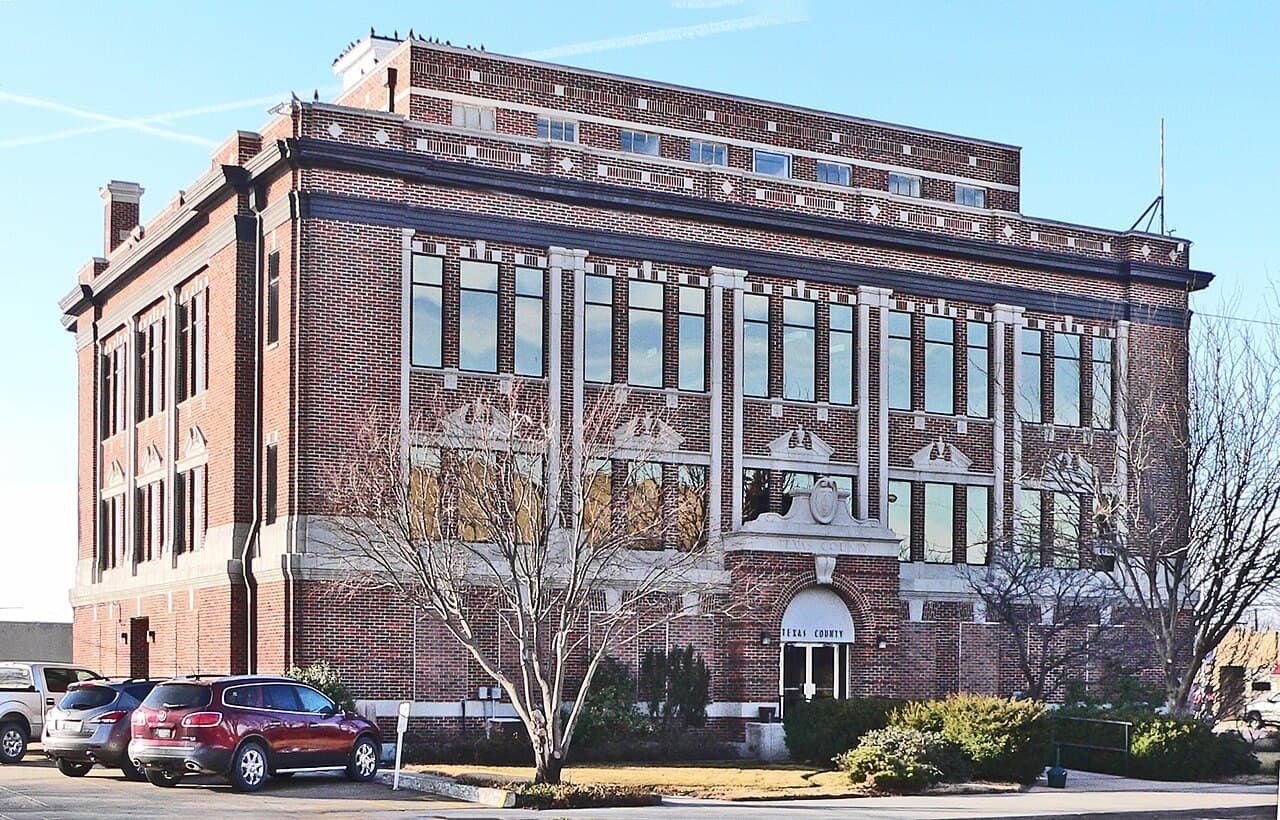
Texhoma’s border split shapes utilities and city services on both sides
Texhoma’s state line split still decides who handles your utilities, deposits and emergency calls. One address can mean a different office, a different bill and a different county response.
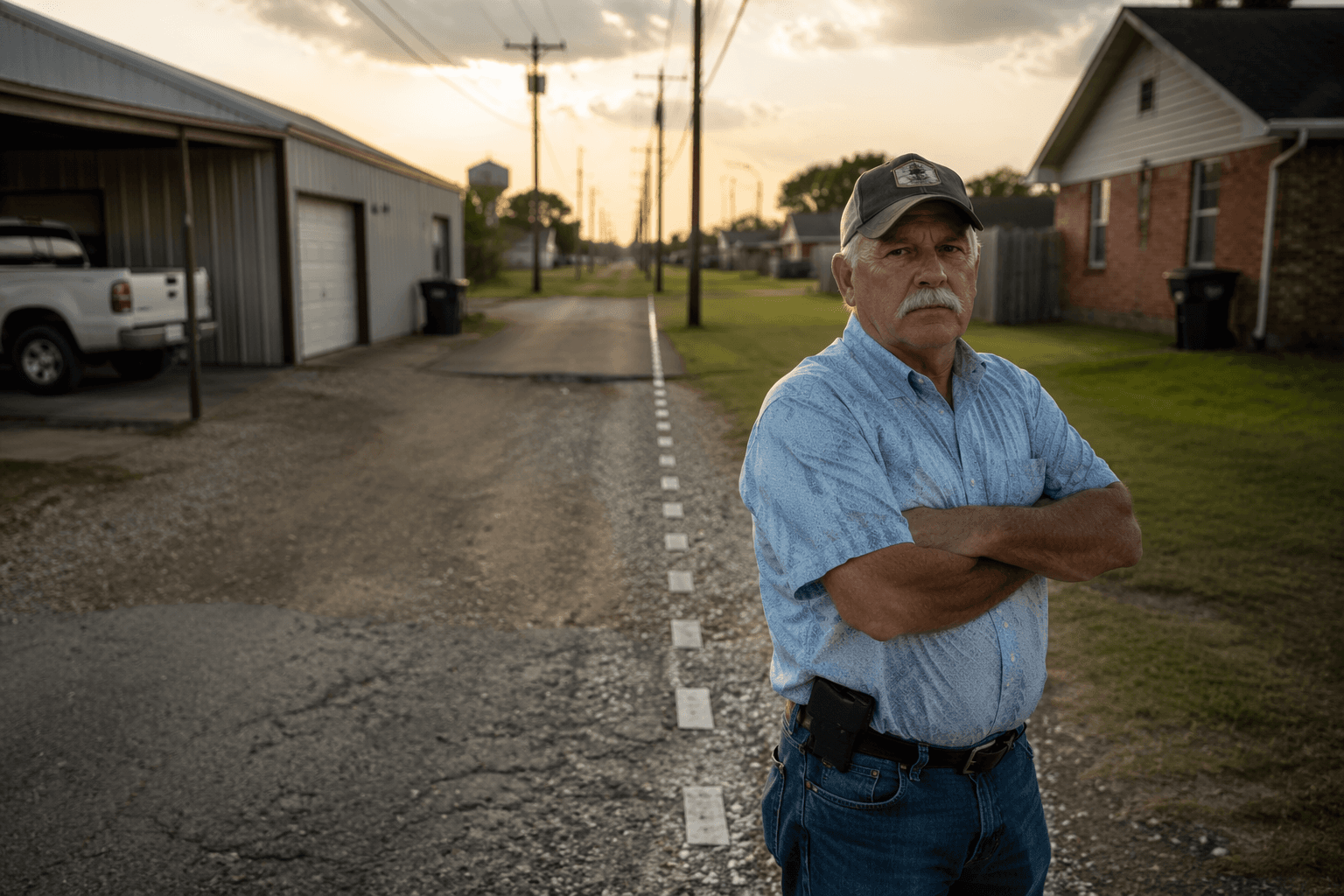
Texhoma does not run on a single set of rules. The side of State Line Road where your home, storefront or rental sits can change where you pay, what you owe up front and which county answers the phone when trouble starts. That split is not just a quirk of the map. It shapes daily service in a town that was built, moved and renamed around the border itself.
How the utility split works
On the Oklahoma side, the Town of Texhoma directs customers to the Texhoma Public Works Authority at 201 S 2nd St, Texhoma, OK 73949. Bills are due on the 10th of the month, and the deposit for water, sewage and trash is $150, refundable after 12 months in good standing. For Texas addresses, the town uses a different city hall location, 1020 S. 6th St., Texhoma, and the water, sewage and trash deposit is $125.
That difference matters most when someone assumes a Texhoma address works the same on both sides. It does not. The town’s contact page lists separate phone numbers for the Oklahoma side and the Texas side, and the Texas side also has its own email contact, texhomacity@gmail.com. Residents can also pay bills online through Paystar, which gives both sides a common payment option even when the office locations differ.
- Oklahoma side: Texhoma Public Works Authority, 201 S 2nd St, Texhoma, OK 73949
- Texas side: 1020 S. 6th St., Texhoma
- Oklahoma deposit: $150 for water, sewage and trash
- Texas deposit: $125 for water, sewage and trash
- Oklahoma bills: due on the 10th of the month
- Online payment: Paystar
Who to call when something goes wrong
The town’s emergency and community contacts follow the same split. For Oklahoma-side residents, the town points to Texas County non-emergency contacts, including Texas County 911 and the Texas County Sheriff’s Office. For Texas-side residents, the guidance shifts to Sherman County, with the Sherman County Sheriff Department and Stratford EMS.
That setup can save time, and it can also prevent the wrong kind of delay. A tenant, landlord or business owner who calls the wrong county office may spend precious minutes being redirected, especially if the issue is a utility emergency, a welfare check or a service question tied to an exact street address. Texhoma Volunteer Fire serves both Texas and Oklahoma residents, so fire response is one of the few shared services that crosses the line without the same county divide.
Why the town’s address still matters
Texhoma’s split is rooted in the railroad era. The Town of Texhoma says the community was first named Loretta. The Oklahoma Historical Society says the post office named Loretta was established on May 7, 1898, then moved in 1901 when the railroad reached the area and the town took the name Texhoma, a nod to its place on the state line.
The Texas State Historical Association says Texhoma was a stop on the Chicago, Rock Island and Mexico Railway in 1901, and that the town was platted and dedicated in 1906. Those dates explain why the town developed as a border settlement rather than a simple inland community. The line itself remained a moving target. A 1932 survey pushed the state line about 465 feet south of State Line Road, shifting most businesses into Oklahoma.
That correction still shows up in the town’s service map. The commercial center, post office and grain elevators ended up on the Oklahoma side, so many of the practical decisions residents make now start there. Even so, the Texas side remains part of the town’s daily life, which is why the city still keeps separate contact details, separate city hall guidance and separate deposit rules for each side.
Schooling follows the border too
Texhoma’s school system reflects the same geography. The Oklahoma Historical Society says Texas and Oklahoma passed laws in 1976 allowing Texhoma Public Schools to straddle the border. The arrangement later settled into a split where Texas serves kindergarten through fourth grade and Oklahoma serves grades five through 12.
For families, that means school planning in Texhoma is not only about enrollment age or classroom assignment. It is also about which side of the line a child’s home sits on and how that affects the district’s cross-border structure. For anyone renting a house, buying property or opening a business near the state line, the school district is part of the address question, not separate from it.
A town whose population rose and shifted with the line
Texhoma’s population history shows how much the border town has changed over time. The Oklahoma Historical Society says the Oklahoma side had 372 residents in 1910, 687 in 1920, 819 in 1930 and 1,464 in 1950, before dropping to 911 in 1960, 785 in 1980, 746 in 1990 and 935 in 2000. The Texas side had 300 residents in 1910, then 358 in 1984, 291 in 1990 and 371 in 2000.
Those numbers do more than track growth and decline. They show that Texhoma has long functioned as a single community split across two states, with population changes, rail access and border adjustments all shaping where people lived and where they did business. That is why the town’s service structure still feels unusually specific: the line is not symbolic, it is operational.
What to check before you set up service
Anyone moving into Texhoma, leasing a building or changing ownership on a home should verify the side of the line before setting up utilities or calling for city help. The wrong assumption can mean the wrong deposit, the wrong office and the wrong emergency contact. In Texhoma, the address is not a formality. It determines how the town works with you, and which state’s side of the border is carrying the service.
This article was produced by Prism’s automated news system from verified source data, official records, and press releases, then run through automated quality and moderation checks before publishing. The system is built and supervised by the people who set the standards it runs under. Read our full AI policy.
Did this article answer your question?