Bad Day for Bigfoot highlights Union County’s rugged film backdrop
Union County’s roads, woods and small towns helped shape “Bad Day for Bigfoot,” putting local scenery, crews and businesses into a film with real tourism potential.
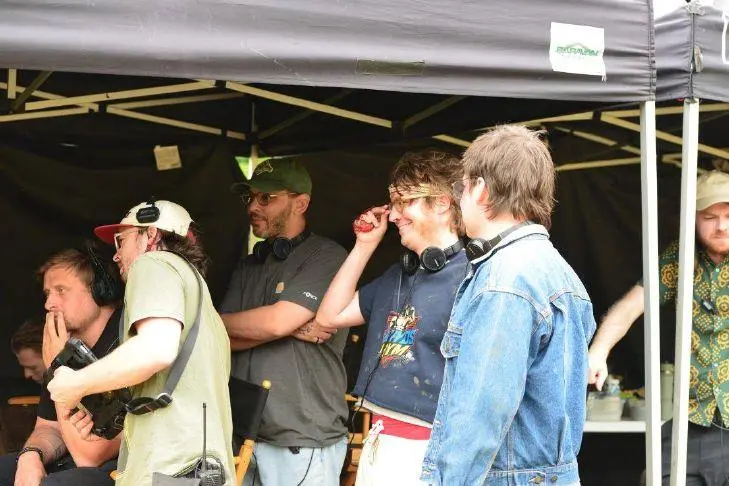
Union County’s roads, woods and small towns are now part of the look of “Bad Day for Bigfoot,” a cryptid sci-fi mystery feature that leaned on local landscape instead of built sets. The film’s footprint matters beyond movie lore: it brought production activity into places like La Grande and Summerville, and it could leave behind a longer business dividend if viewers later chase the scenery on purpose.
Why Union County fit the film
The appeal starts with geography. “Bad Day for Bigfoot” is built around a Bigfoot hoax spiraling out of control in rural Oregon, and the project’s own synopsis pushes the story toward a leaked videotape, a chaotic struggle between hoaxers and investigators, and a supernatural force that defies explanation. That kind of plot needs places that feel remote, wooded and just a little uncertain, which is exactly where Union County’s mountains, open spaces, rural roads and forested stretches do the work of the story without artificial dressing.
That is also why the county stands out as more than a convenient stopover. The July 10 East Oregonian feature framed the movie as using many Union County locations, not just one shooting site, and that gives the project a stronger place-branding value. When a production can move between small-town streets, wide Eastern Oregon backroads and the Grande Ronde Valley, it creates a visual identity that is specific to Union County rather than interchangeable with any other rural setting.
The project had been building locally for months before that feature ran. A June 19 La Grande Observer story said filming was underway in Union County, and an August 24, 2025 East Oregonian and La Grande Observer piece had already described filmmakers Zach Green and Devin O’Rourke as undertaking a Bigfoot-sized project in La Grande. By late May 2026, the Eastern Oregon Film Festival said production was officially a go in La Grande, showing that the film’s local identity had already settled around Union County before cameras rolled.
What the production brings to local businesses
For a rural county, the financial effects of a film shoot often arrive in small but immediate transactions. Crews need lodging, meals, fuel, vehicles, supplies and local labor, and those purchases can ripple through businesses that are not normally part of a movie economy. In a place like La Grande, that can mean motel rooms, restaurant tabs, coffee stops, hardware runs and service work that keeps money circulating locally during the production window.
Summerville is a good example of the kind of place that can benefit when filmmakers want authenticity. A shoot that uses the area around Summerville Store and Tavern does more than create a background shot. It puts a recognizable local business into the film’s orbit, which can matter for both direct spending during production and the possibility that audiences later connect the finished movie to a real place they can visit.
The cast adds another layer of practical attention. The project was reported elsewhere as including Chris Elliott and Michael Ian Black, names with enough recognition to help a modest independent feature attract notice beyond Eastern Oregon. For local businesses, that kind of visibility can matter as much as the size of the crew, because even a smaller production can generate outsized attention when familiar performers are attached.
Why the tourism upside is real
The larger question is whether the film can do more than create a temporary burst of business. Oregon has already made that case for itself in statewide film promotion. Oregon Film points to a range of settings from Portland to desert to coast to river, along with film-friendly communities and mild weather. That mix is the pitch, and Union County fits neatly into it with a rugged Eastern Oregon look that can stand in for isolation, mystery and folklore.
Travel Oregon puts a number on the state’s screen history, saying more than 700 films have been shot in locations across Oregon. It also argues that the value of a film set continues after production wraps through film tourism. That matters for Union County because a movie tied to local scenery can become part of how outsiders picture the area, especially if the finished film keeps the county’s roads, storefronts and hills visible enough for viewers to recognize.
The state’s folklore helps too. The Oregon Encyclopedia notes that the Bigfoot, or Sasquatch, legend has deep roots in Oregon history, which gives a production like this a built-in cultural hook. A movie that blends that mythology with real Union County scenery has a better chance of turning local landscape into a repeatable draw, whether that means road-trippers stopping in La Grande or visitors looking for the kind of rural atmosphere the film uses on screen.
What comes next for Union County’s film identity
The Eastern Oregon Film Festival added another signal that the project could matter beyond a single shoot by later announcing a filmmaker field trips program connected to “Bad Day for Bigfoot.” That suggests the film is being treated as part of a broader regional storytelling effort, not just one isolated production. For Union County, that kind of follow-on programming can help turn a one-time location into a recognized stop on a future film map.
That is where the business case becomes clearer. If filmmakers see Union County as a place where roads, small towns and open country can be captured efficiently, the county has a chance to repeat the experience with new productions. If audiences later associate La Grande, Summerville and the Grande Ronde Valley with a film they remember, the county gains something harder to measure than a day’s receipts at a diner or tavern: a stronger identity as a production-friendly place with scenery worth returning to.
This article was produced by Prism’s automated news system from verified source data, official records, and press releases, then run through automated quality and moderation checks before publishing. The system is built and supervised by the people who set the standards it runs under. Read our full AI policy.
Did this article answer your question?