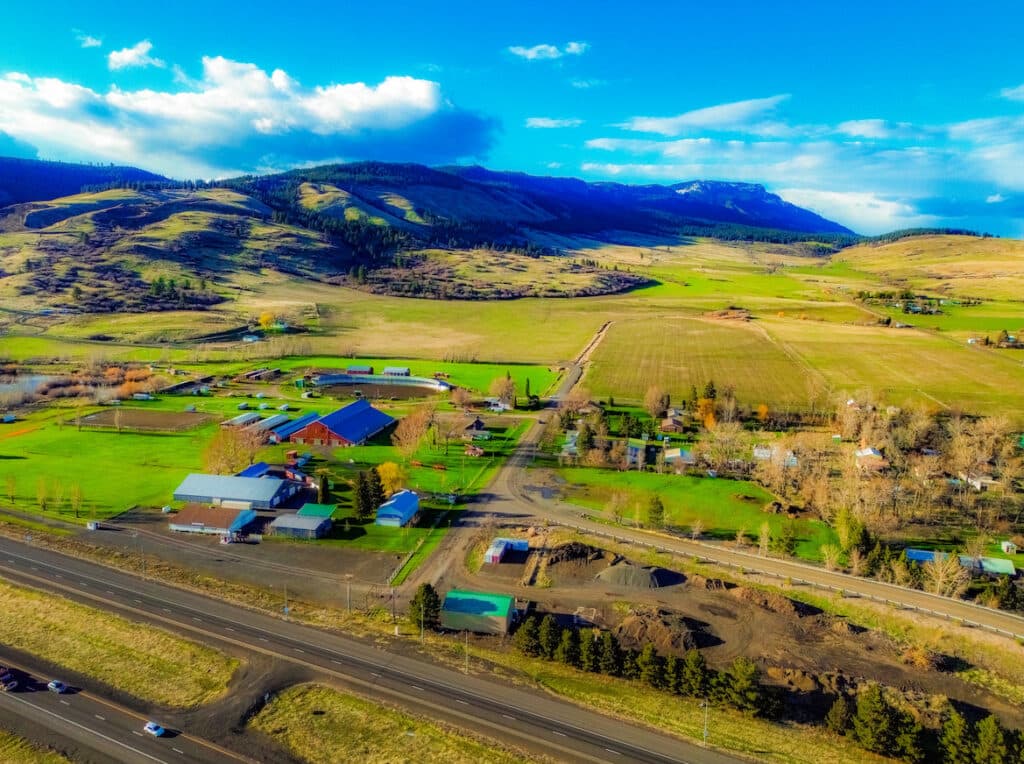
Boise Cascade Elgin Facility Fined $9,600 for Polluting Phillips Creek
Stormwater from Boise Cascade's Elgin mill turned Phillips Creek dark and harmed fish, drawing a $9,600 DEQ fine issued February 24.
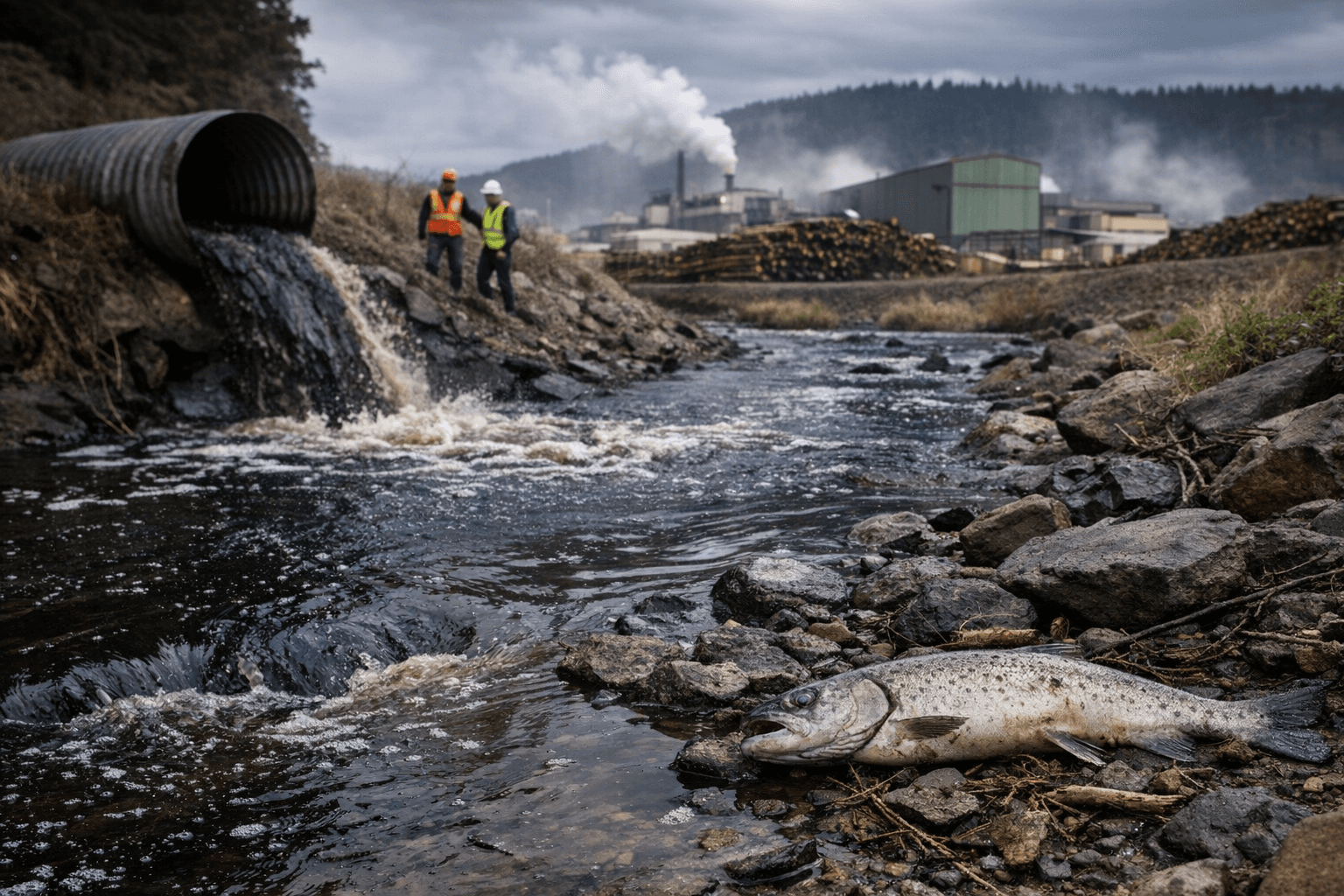
Phillips Creek, a trout fishery running half a mile from downtown Elgin, turned visibly dark after Boise Cascade's wood products complex discharged silt-laden stormwater into it, prompting the Oregon Department of Environmental Quality to issue a $9,600 fine. DEQ issued the penalty on February 24 and received confirmation of the violation on February 27, documenting that the discharge caused the creek to darken in color and had a direct impact on fish and aquatic life.
Turbid stormwater, in plain terms, is runoff that has picked up suspended solids while moving across an industrial site. At a wood products mill, that means fine sawdust, bark particles, and sediment mixing into rainwater or snowmelt before draining off the property. When that murky plume reaches a creek, it reduces light penetration, smothers the gravel beds where fish spawn, and can clog the gills of trout and the aquatic invertebrates they feed on. The darkening DEQ recorded in Phillips Creek is the most visible sign of a process that damages a stream at its base.
Phillips Creek sits within the Grande Ronde Basin, which DEQ has formally designated for fish use. The creek, also known locally as Dry Creek or Big Phillips Creek, feeds into the Grande Ronde River system that runs north through Elgin and supports steelhead, redband trout, and other native species prized by Union County anglers. A silt discharge upstream can degrade spawning habitat across a stretch of stream well beyond the point of entry.
The Boise Cascade penalty was one of 10 enforcement actions DEQ made public for February. Those statewide fines ranged from $1,600 to $27,785 and totaled $145,903, covering violations that also included unlicensed asbestos abatement and improper transport of lead-containing hazardous waste.
Under state environmental law, Boise Cascade can satisfy the penalty by paying the $9,600 directly to the state treasury or by funding a supplemental environmental project, an option that directs money toward measurable improvements to Oregon's environment. DEQ has not publicly specified what corrective actions or compliance timelines it is requiring at the Elgin facility following the discharge, and Boise Cascade has not issued a public statement on the violation.
The fine adds to a longer regulatory record at the Elgin mill. In 2020, DEQ issued an order regarding the facility's use of wastewater containing dioxins, a dispute that led Boise Cascade to file a lawsuit in Union County and raised the possibility of temporary closure for the mill, which employs roughly 230 workers. That history gives the February stormwater penalty added weight; whether DEQ requires specific corrective measures at the Elgin facility, and how Boise Cascade elects to resolve the fine, will determine what, if anything, changes for Phillips Creek.
This article was produced by Prism’s automated news system from verified source data, official records, and press releases, then run through automated quality and moderation checks before publishing. The system is built and supervised by the people who set the standards it runs under. Read our full AI policy.
Did this article answer your question?