EOU alumna Cassie Moore leads tiny Burnt River Charter School in Unity
Cassie Moore’s return to Unity puts a spotlight on Burnt River Charter School’s fight for staffing, enrichment, and survival in one of Eastern Oregon’s smallest communities.
A rural school where every extra voice matters
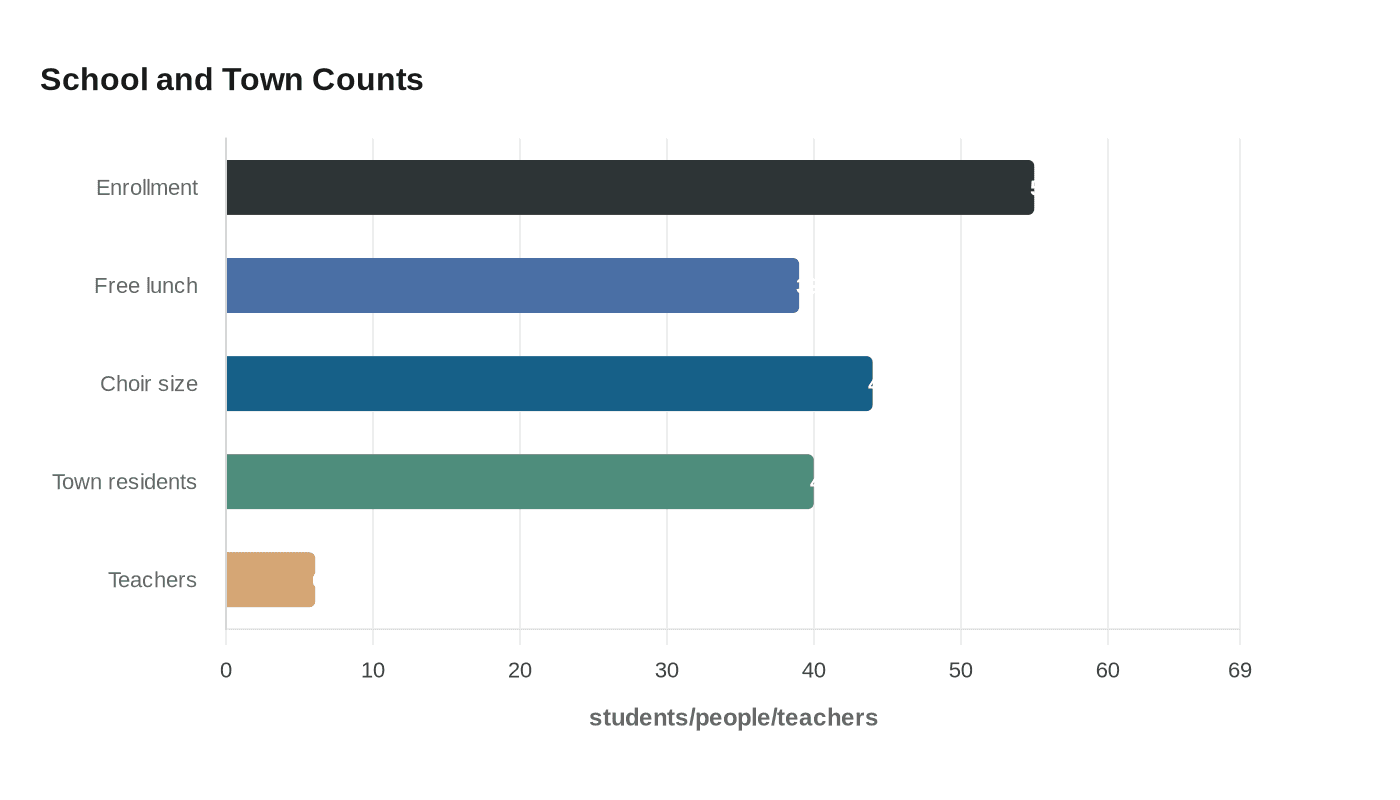
Cassie Moore’s job in Unity is measured in very small numbers, and that is exactly what makes it important. When the 44-member Eastern Oregon University choir visited Burnt River Charter School in April, the school’s student body, just over 30 children from kindergarten through 12th grade in the EOU profile, suddenly looked even smaller by comparison.
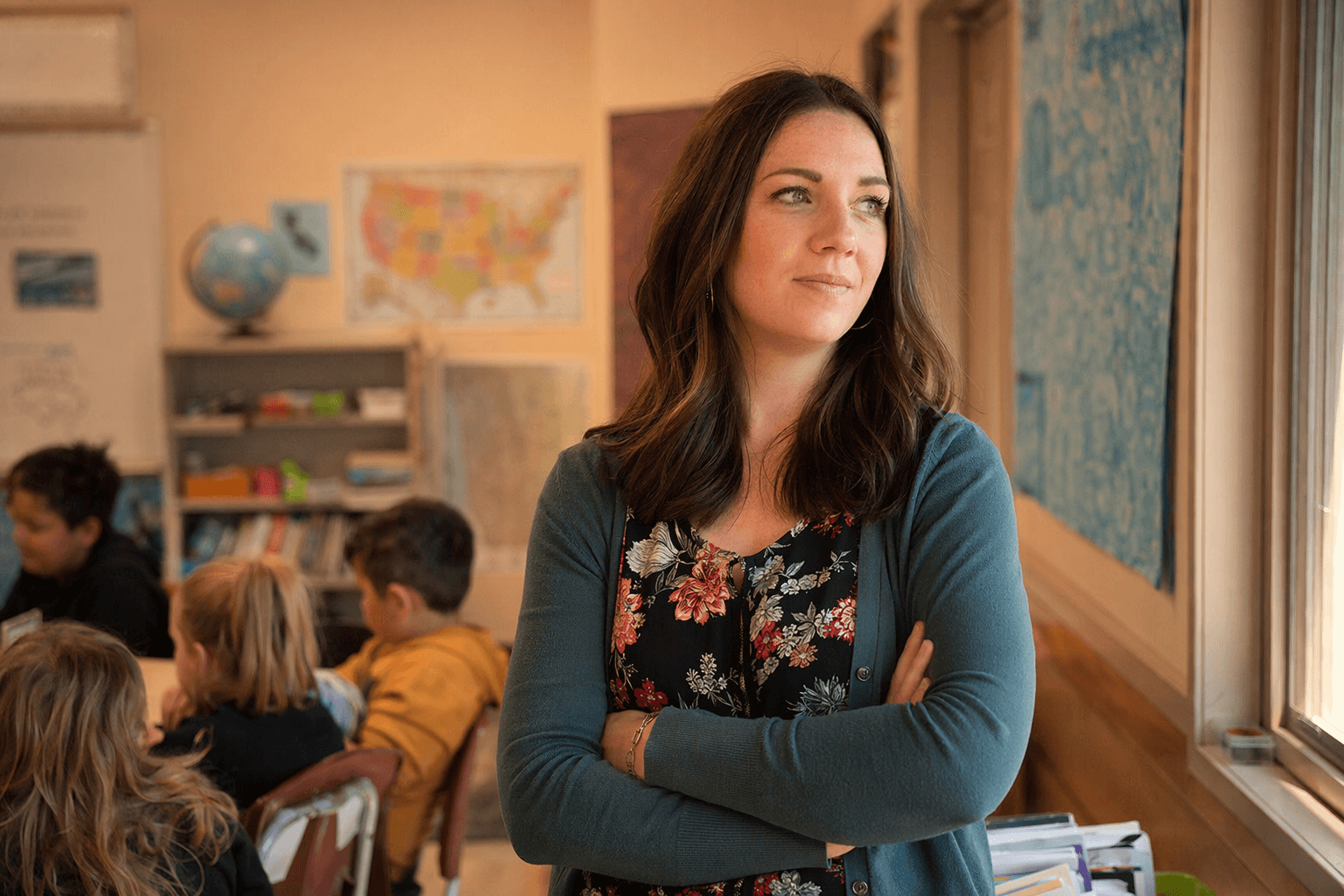
For Moore, an EOU class of 2001 alumna now serving as superintendent, the visit carried more weight than a campus-style performance stop. Some of her students are interested in music, but Burnt River does not offer its own music program, so the choir brought a kind of access the school cannot easily create on its own. In a town as small as Unity, where the 2020 census counted just 40 residents, that kind of outside exposure is not a luxury. It is one of the few ways rural students can see a wider world without leaving home.
What Burnt River looks like on paper
Burnt River Charter School, also listed in public records as Burnt River School, is a rural, remote charter school in Baker County. The National Center for Education Statistics puts current enrollment at 55 students in the 2024-25 school year, with 6.07 classroom teachers and a student-teacher ratio of 9.06. Those numbers point to a setting where classes are small, relationships are close, and staffing choices have immediate consequences.
The school also serves a population with real economic need. NCES reports that 39 students were eligible for free lunch in 2024-25, a reminder that the challenges here are not just about geography. Burnt River’s own website describes it as a “small, close-knit rural school” where students are known, supported, and encouraged to pursue big futures. The school says personalized attention, strong relationships, and community involvement are central to its mission, and it also offers an online program alongside in-person learning.
That mix is important because small rural schools often have to do several jobs at once. They are classrooms, counseling centers, activity hubs, and in some cases, the only steady institution in town. In a place like Unity, the school is one of the largest daily gathering spots in the community.
Why staffing and access are the real issue
The story of Burnt River is not just about a celebrated alumna returning home. It is about what it takes to keep a school alive when the student population is tiny, the staffing pool is thin, and the program options are necessarily limited. A choir visit can become a major cultural event precisely because the school does not have the scale to offer every elective or every enrichment opportunity on its own.
That is why Moore’s description of the choir stop matters. She said the visit was meaningful because students were interested in music and the performance was inspirational for children, while also feeling deeply personal to her as a rural educator who understands the limits small schools face. In one afternoon, the choir more than doubled the school’s population for the day. That is a vivid measure of the gap rural schools are trying to bridge.
The numbers also show how tight the margins are. A school with 55 students and just over six teachers can give children close attention, but it also means one vacancy, one resignation, or one unfilled role can strain the whole operation. In rural schools, staffing is not an abstract budget line. It determines whether students get electives, whether interventions happen quickly, and whether families believe the school can meet their children’s needs year after year.
Moore’s path back home
Moore’s career path reflects the kind of circuit many rural educators know well. After graduating from Eastern Oregon University, she taught in Ontario, then spent years in Baker City, including service as dean of students at South Baker Intermediate and principal at Haines Elementary. She and her husband now operate a ranch in the Unity area, tying her family life directly to the community she serves.
Her commute used to take her over Dooley Pass, a route she described as winding and challenging. That detail matters because it turns rural education from a policy concept into a daily reality. When a superintendent knows the road, the distance, and the weather, the job is less about managing from afar and more about living inside the same geography as the students and families the school serves.
EOU said the university prepared her well to teach, and Moore echoed that point by praising the education department’s support and the smaller-scale attention she received as a student. In a region where school leaders often move between similarly sized communities, that kind of preparation matters. It helps explain why Eastern Oregon graduates are not just finding jobs in the region, but sometimes becoming the leaders who hold those schools together.
What EOU’s pipeline means for Eastern Oregon
Moore’s return to Unity is a useful example of what a working rural pipeline can look like. Eastern Oregon University is not only sending graduates into the workforce. It is helping feed staff, leadership, and institutional memory back into rural schools across Northeast Oregon. For families in La Grande, Elgin, Island City, and elsewhere in the region, that matters because the quality of a local school often depends on whether trained educators are willing to come back, stay, and take on leadership roles.
The broader value is immediate and visible. A graduate who returns to lead a small school is not just filling a title. She is shaping staffing, student opportunity, and the range of choices available to children who may otherwise be a long drive from music, advanced classes, or extracurricular programs. In that sense, Moore’s role is about much more than alumni pride. It is about whether higher education in La Grande can still help sustain the rural communities that surround it.
How families can read Burnt River’s future
The Oregon Department of Education says school profiles and report cards are produced yearly to help schools communicate performance information to parents and community members. For a school like Burnt River, those numbers are not just administrative paperwork. They are one of the clearest ways to see whether a tiny rural school is holding its ground.
- enrollment trends, because a few students can change the whole picture
- staffing levels, because a thin roster means every teacher matters
- access to enrichment, because rural students should not be cut off from music, arts, and broader experiences
- community involvement, because small schools survive when families and towns treat them as shared institutions
The most revealing measures here are the ones that affect daily life:
Moore’s leadership sits at the center of all four. Burnt River School is still small, still remote, and still vulnerable to the pressures that define rural education. But it is also a place where one local leader, one returning alumna, and one well-timed choir visit can show exactly why the school remains worth fighting for.
This article was produced by Prism’s automated news system from verified source data, official records, and press releases, then run through automated quality and moderation checks before publishing. The system is built and supervised by the people who set the standards it runs under. Read our full AI policy.
Did this article answer your question?