Hilgard Junction State Park offers a practical stop near La Grande
Hilgard Junction is the easiest low-hassle river stop near La Grande, with I-84 access, 18 primitive sites, and direct Grande Ronde River access.
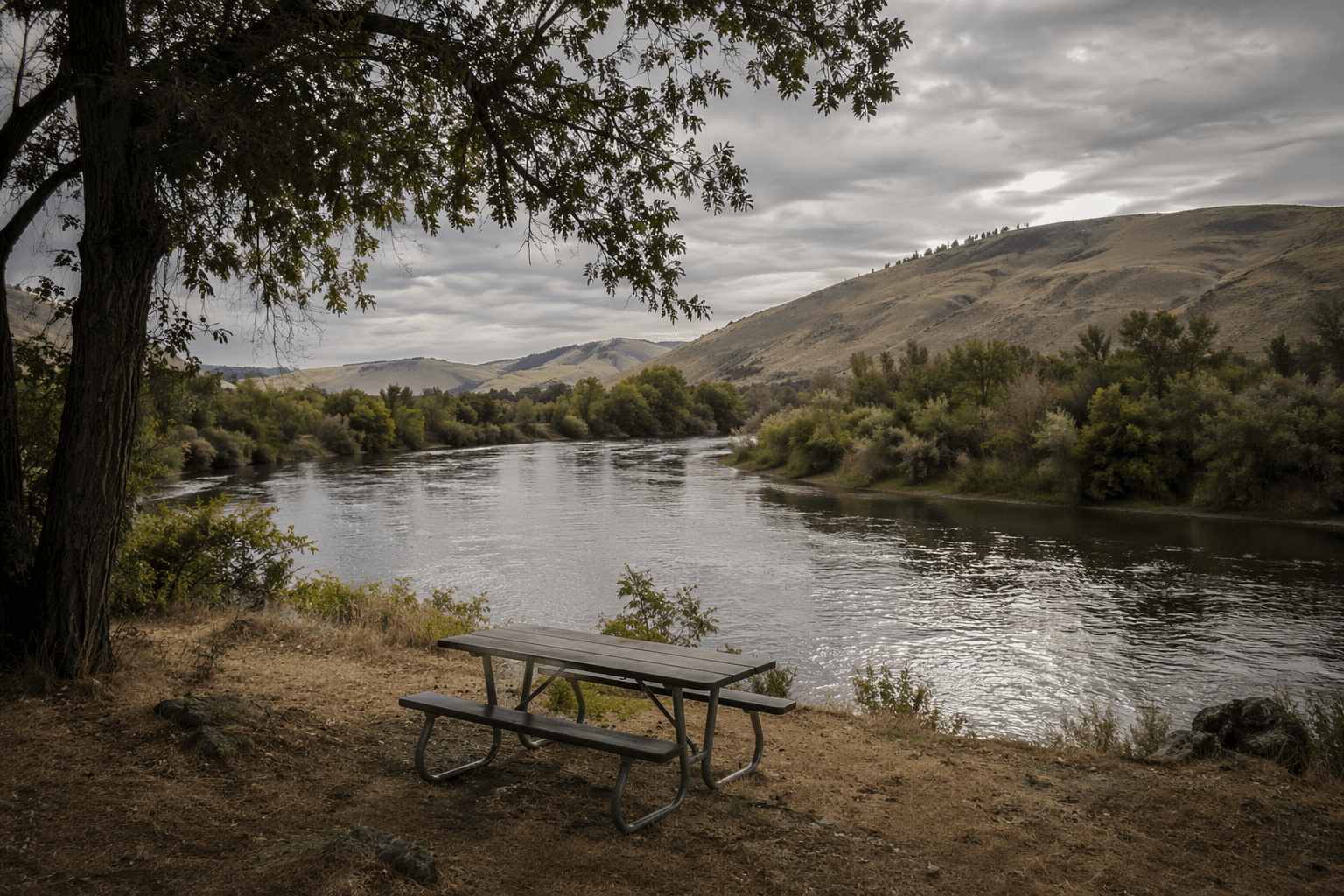
Hilgard Junction State Park is the kind of stop that solves more than one travel problem at once. Right off Interstate 84 at Oregon Highway 244 near the Grande Ronde River, it gives road-trippers a quick break, locals a simple overnight base, and anglers or families a direct way to reach the water without complicated planning.
Why this stop works
The park sits about eight miles west of La Grande, close enough for an after-work escape but far enough from town to feel like a true riverfront pause. That location matters for drivers on I-84, where a practical stop usually means easy access, quick parking, and a setting that does not require a long detour. Hilgard Junction delivers that with a campground built around function rather than fuss.
It is also one of Union County’s more useful all-in-one public lands because it serves three different needs at once. Travelers can stretch their legs, anglers can reach the Grande Ronde River, and campers can stay the night without leaving the highway corridor behind. In a county where distance often shapes how people use public land, that combination makes the park unusually efficient.
What the campground actually offers
Hilgard Junction’s campground has 18 primitive sites, but the setup is more comfortable than the word “primitive” suggests. Water is nearby, each site has paved parking, and the campground includes flush toilets, firewood for sale, horseshoe pits, universal access, and one campsite designed for campers with disabilities.
Those details matter because they change the kind of stop this can be. A traveler passing through on a summer evening does not need a backcountry expedition here; a family with kids does not need to improvise around rough parking or hard-to-find basics. The park also includes accessible camping, accessible restrooms, accessible picnicking, fishing, and wildlife exhibit information, all of which make it easier to use the park for a short stop or a full night.
The campground is typically open seasonally rather than year-round, so a visitor planning an overnight should check timing before relying on it. Even so, the seasonal pattern fits the way many people use the site: as a warm-weather base for river time, a shoulder-season pause between destinations, or a local overnight when a longer trip is not practical.
Why people come for the river
The Grande Ronde River is the park’s strongest draw. Travel Oregon and Visit Eastern Oregon describe the river corridor as a place for anglers, rafters, and swimmers, which is exactly why the park works for more than one kind of visitor. You do not need to make the whole day about recreation here; the park lets you step from highway travel into water access with very little transition.
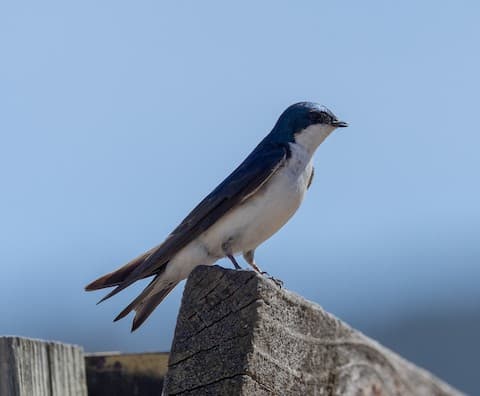
The wildlife is part of that appeal as well. Beaver, mink, deer, and a wide range of birds live in and around the park, and Visit Eastern Oregon notes that they can be viewed throughout the year. Fall colors add another layer of use, while winter brings elk and deer down to the riverbanks, giving the site a different rhythm outside peak summer season.
That year-round wildlife presence gives Hilgard Junction a second purpose beyond camping. Even if you never unpack a tent, the park still works as a short, low-stress stop where the river and the surrounding habitat do the heavy lifting. For Union County residents, that makes it one of the few places where a quick visit can still feel like a real break.
How it compares with nearby history stops
If you want a riverfront overnight, Hilgard Junction is the more practical choice. If you want a short historical add-on, Blue Mountain Crossing at the Oregon Trail Interpretive Park is the better side trip. The U.S. Forest Service site there includes a half-mile wheelchair-accessible interpretive loop, paved accessible trails, drinking water, restrooms, interpretation panels, and periodic living-history programs on holidays.
That difference matters for planning. Blue Mountain Crossing is built for a brief stop and a historical walk, while Hilgard Junction is built for staying near the river. The two sites complement each other, but they are not interchangeable: one is the better place to stretch your legs and learn, the other is the better place to camp, fish, or launch a slower day around the Grande Ronde.
The historical marker tied to Hilgard Junction deepens the setting without turning the park into a museum piece. It references local Indigenous oral tradition and emigrant accounts of fish and crayfish in the river corridor, a reminder that the route has long been a place of travel, food, and passage. That history gives the stop more weight, but it does not change the basic answer to the traveler’s question: if you need a usable riverfront pause, Hilgard Junction is the smarter pull-off.
A park shaped by rail, lumber, and public land
Hilgard Junction also carries a layered local history that fits its present role. Oregon State Parks says the park was named for the nearby Union Pacific Railroad junction, which itself was named for E. W. Hilgard, former dean of the College of Agriculture at the University of California. The same history notes that a Mt. Emily Lumber Company logging railroad once passed through the park area en route to La Grande through its Union Pacific connection.
The land itself came together in pieces over time. The first land was leased from the U.S. Forest Service in 1951, with a later lease in 1969. Separate donations helped build out the park, including one acre from Mt. Emily Lumber Company in 1952 and 79 acres from its successor, Valsetz Lumber Company, in 1966. Today the Oregon state parks directory lists Hilgard Junction at 232.50 acres.
That history helps explain why the park feels so useful now. It sits at the overlap of railroad history, highway access, river recreation, and public land, which is why it remains such a practical stop for Union County. In a corridor where travelers can either rush through or slow down, Hilgard Junction gives them a place designed for the latter without asking for much in return.
This article was produced by Prism’s automated news system from verified source data, official records, and press releases, then run through automated quality and moderation checks before publishing. The system is built and supervised by the people who set the standards it runs under. Read our full AI policy.
Did this article answer your question?