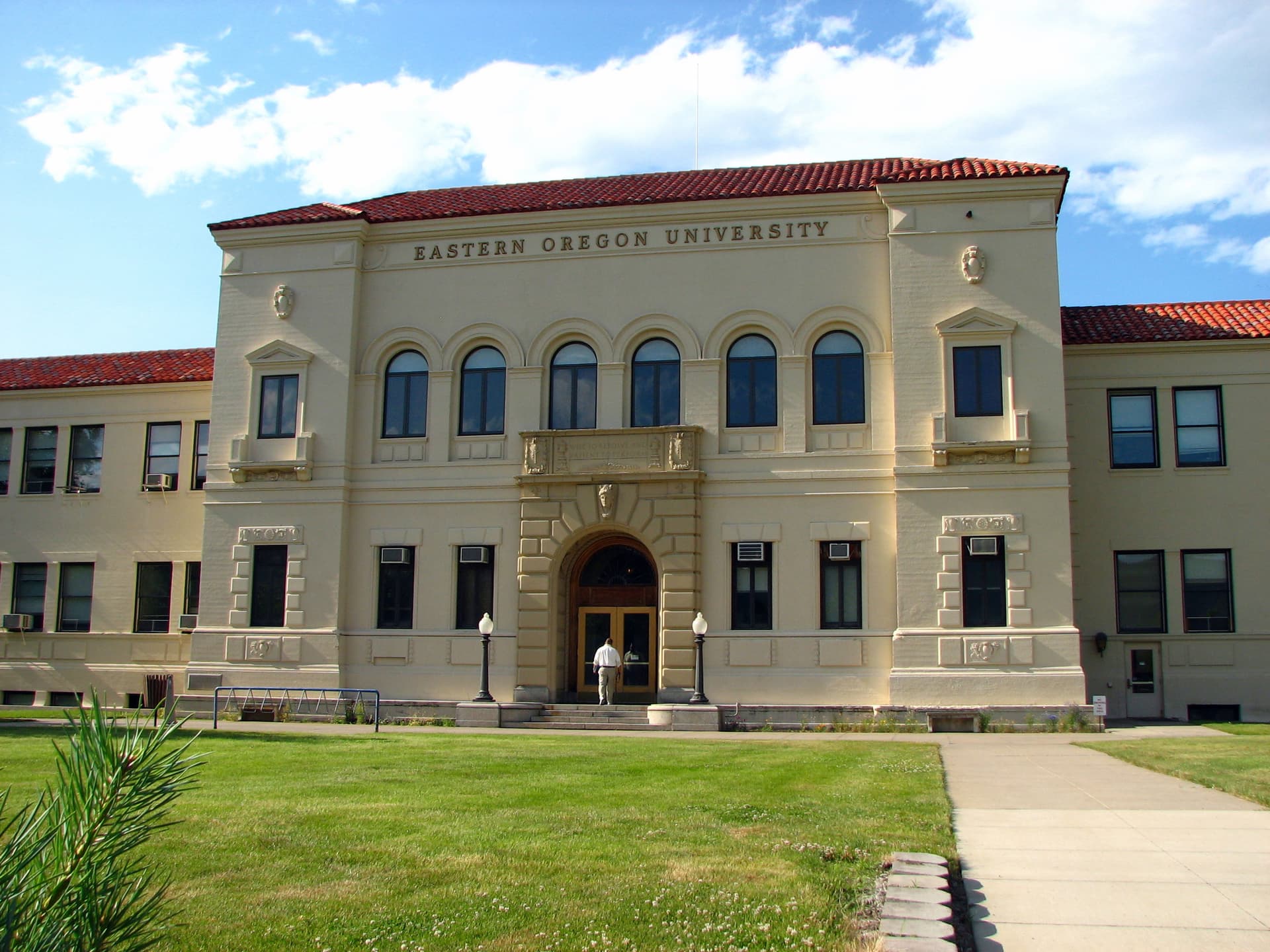
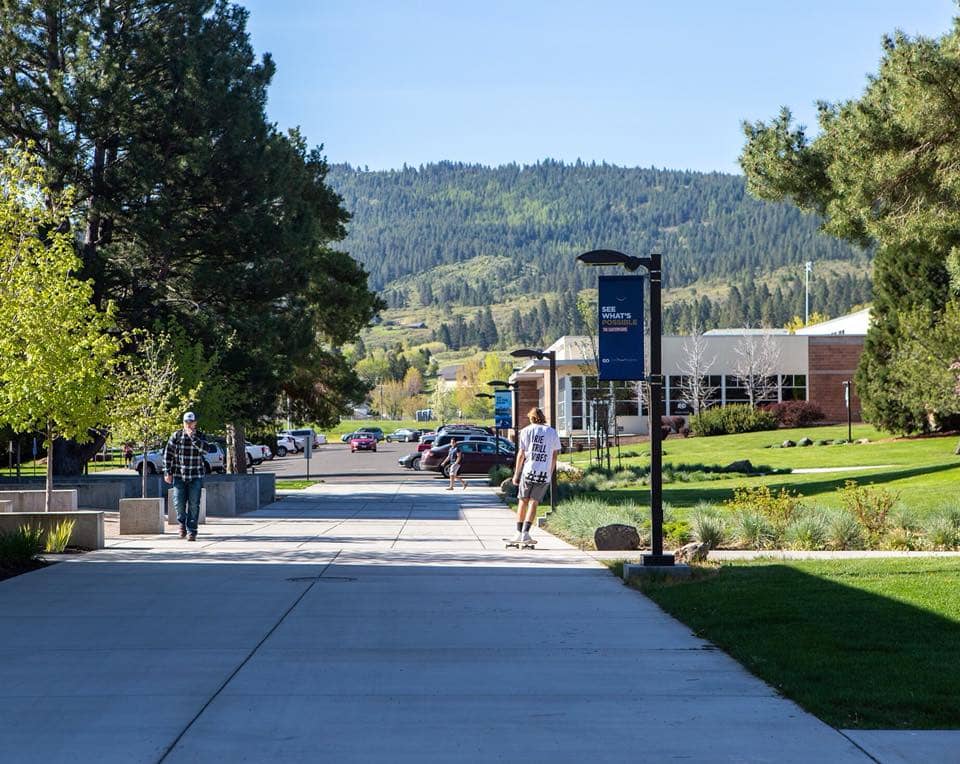
La Grande schools discuss attendance, budget cuts and summer programs
La Grande schools are linking summer programs to a bigger test: attendance, enrollment and budget cuts that will shape what families see by fall.
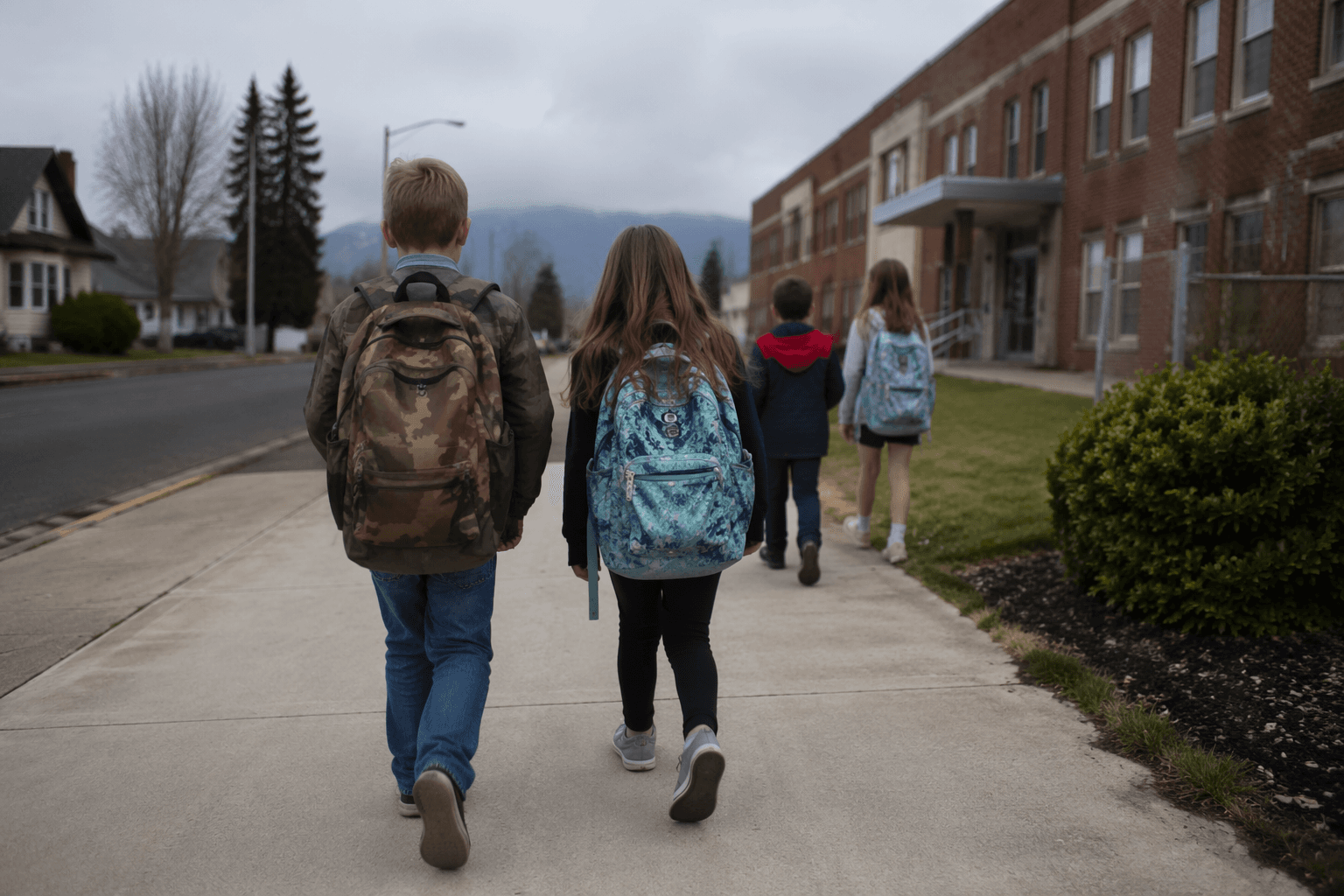
La Grande School District is spending the summer on the problems that matter most to families and taxpayers: keeping students connected, protecting core services and making the numbers work for the next school year. Superintendent George Mendoza’s latest monthly conversation points to a district that is still actively managing attendance, budget pressure and summer programming even after classes ended, because the choices made now will affect staffing, offerings and support when school starts again.
Attendance is now a budget issue, not just a classroom issue
The district’s attention to attendance is about more than who is in a seat on any given day. In Oregon, regular attendance means a student attended more than 90 percent of enrolled days in an academic year, and the state folds attendance into its report card system. That makes attendance one of the clearest signals for how a district is performing and how well it is holding onto the students whose enrollment helps drive funding and planning.
La Grande has already been dealing with enrollment pressure. Elkhorn Media Group previously described the district as being “roughly down 100 students, pre-COVID and …,” a sign that the decline did not begin this spring and has been building for some time. In practical terms, that kind of drop can ripple through staffing, course scheduling and the district’s ability to maintain the programs families expect to find in La Grande, from classrooms to extracurriculars.
The state’s enrollment reporting matters here too. Oregon Department of Education enrollment reports are based on the first school day in October, which means districts spend much of the year watching whether student counts hold steady or continue to slide. For a district like La Grande, every attendance discussion is also a conversation about the next funding cycle, because fewer enrolled students can mean less room to absorb costs that do not shrink as quickly as the headcount does.
Budget cuts are forcing tradeoffs across the district
The financial pressure is not abstract. In a March 18 letter, the district said it was facing “significant budget reductions due to flat funding, increased operations costs, and decreased student enrollment from pre-pandemic levels.” That combination leaves district leaders with limited options, especially in a community where the school system is one of the largest public employers and one of the services most families touch every day.
Flat funding means the district is not getting a larger share simply because expenses are rising. Increased operations costs can squeeze transportation, maintenance, utilities and support services even before administrators talk about staffing. Decreased enrollment then compounds the problem, because fewer students can weaken the revenue base while the district still has to keep buildings open, buses running and classrooms staffed.
Those pressures help explain why the latest superintendent interview focused on budget cuts alongside attendance and summer programs. The district is not just reacting to one bad year. It is trying to manage a longer-term shift in population and costs while deciding what can be preserved for 2026-27 and what has to be trimmed now so the district can enter fall on steadier footing.
Summer programs are the bridge between this year and the next
That is why summer programming matters so much. In La Grande, summer is not only a break from school, it is the bridge that keeps students connected between one year and the next. For some students, that means academic support after a year of absences or falling behind. For others, it can mean enrichment, routine and a safe place to spend part of the day while families work through the summer.
The district’s focus on summer programs also reflects a larger public health and equity issue. When attendance is inconsistent during the school year, the students most likely to feel it are often the ones already facing barriers, whether that is transportation, unstable housing, health needs or family work schedules. Summer programming can help soften those gaps, but only if the district keeps it visible, reachable and tied to the academic and social needs of the community.
La Grande’s decision to keep this conversation active through the summer suggests administrators see the season as a planning window, not downtime. If more students stay engaged now, the district has a better chance of entering fall with stronger attendance habits and fewer gaps to repair once classes resume. That is especially important when the district is also trying to protect staffing and avoid deeper cuts to student-facing services.
What parents and taxpayers should watch before fall
Union County residents do not need a spreadsheet to understand what is at stake, but the district’s own tools help show why the stakes are so high. The Oregon Department of Education publishes annual enrollment reports, attendance data through its online report card, and budget-to-actuals as well as school-level expenditure dashboards. Those resources are meant to help educators communicate directly with parents and community members about school performance, and they give La Grande families a way to track whether the district’s response is stabilizing attendance and finances or simply buying time.
For parents, the immediate question is what will still be available when school restarts. That includes class offerings, support services, athletics, transportation and the maintenance of buildings and grounds. For taxpayers, the bigger question is whether district leaders can show that budget reductions are being managed in a way that protects instruction and keeps the district from losing more students, more programs or both.
What changes in La Grande schools is not just a seasonal update. The district is trying to hold enrollment, improve attendance, and make budget decisions that do not hollow out the school experience for students in town and across Union County. By fall, leaders need to show that the summer strategy did more than keep the lights on. It needs to help the district enter the new year with steadier numbers, fewer disruptions and a plan that families can feel in the classroom.
This article was produced by Prism’s automated news system from verified source data, official records, and press releases, then run through automated quality and moderation checks before publishing. The system is built and supervised by the people who set the standards it runs under. Read our full AI policy.
Did this article answer your question?