ODOT, DMV impersonation text scams surge again; Eastern Oregon residents urged to ignore links
Fake ODOT and DMV texts demanding payment for unpaid fines are targeting Oregon drivers again; call 1-888-Ask-ODOT to verify and never click the link.
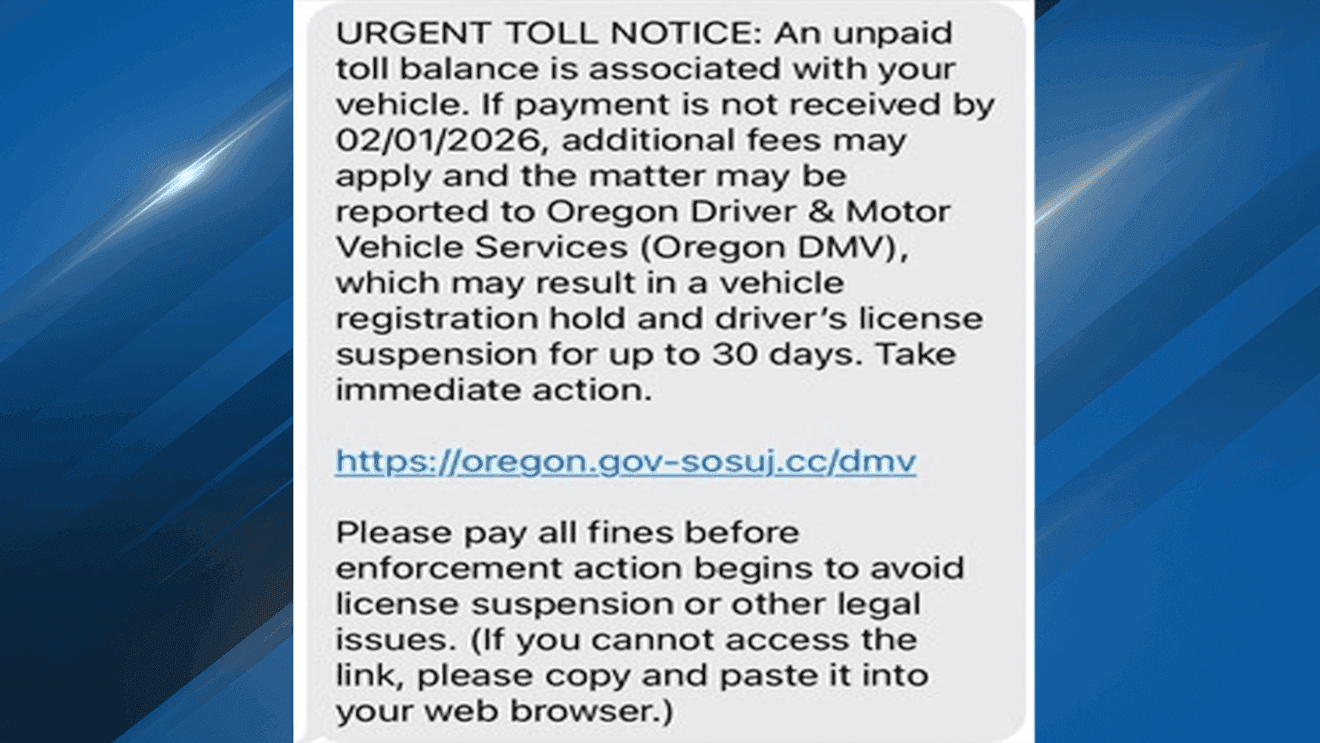
Fake text messages impersonating ODOT and the Oregon Driver and Motor Vehicle Services division surged again this week, with state transportation officials urging Eastern Oregon drivers to delete any message demanding payment for an unpaid traffic fine or toll balance without clicking a single link.
The messages arrive with urgent language and embedded links designed to harvest bank account numbers, driver's license information, or other personal data. ODOT and DMV renewed their warnings April 2, putting it plainly: "If you receive an unsolicited text message claiming to be from ODOT or DMV saying you owe money for an unpaid traffic fine or toll balance, it's a scam."
For Union County drivers, the texts can be particularly convincing. Eastern Oregon residents who receive messages referencing license plates or vehicle registration matters are being specifically warned not to engage. Neither ODOT nor the DMV will ever request payments or sensitive personal data through unsolicited texts, emails, or third-party websites.
If a suspicious text arrives, officials recommended a specific sequence: do not click the link, do not call any number shown in the message, do not send money, and take a screenshot noting the originating number. Anyone wanting to confirm whether they actually owe a fine or have a hold on their vehicle registration should call 1-888-Ask-ODOT or the DMV's official number listed on oregon.gov, not any contact provided in the suspicious message.

Reports can be filed with the Federal Trade Commission or Oregon's state consumer protection hotline. Local law enforcement and consumer protection offices can also assist anyone who already clicked a link or provided personal information, though officials made clear that prevention is far easier than remediation once data has been compromised.
Seniors and other populations less familiar with phishing patterns remain the most frequent targets of these scripted campaigns, and community organizations across Union County are being encouraged to spread the warning through neighborhood networks. The scam's durability is straightforward: simple, scripted messages cost almost nothing to distribute at scale and only need to deceive a small fraction of recipients to succeed.
This article was produced by Prism’s automated news system from verified source data, official records, and press releases, then run through automated quality and moderation checks before publishing. The system is built and supervised by the people who set the standards it runs under. Read our full AI policy.
Did this article answer your question?