Oregon hunting and fishing ban proposal falls short of ballot threshold
Oregon officials said Initiative Petition 28 missed the valid-signature threshold, ending a ballot fight that alarmed hunters, anglers and ranch families in Union County.
Oregon election officials determined that Initiative Petition 28, the PEACE Act, did not have enough valid signatures to qualify for the November 2026 ballot. For Union County, where hunting, fishing and other outdoor uses are woven into daily life and the local economy, the failure ended a statewide ban effort before voters could weigh in this fall.
The Oregon Secretary of State’s initiative-petition log listed IP 28 as petition 2026-028 and set the bar at 117,173 valid signatures. A June 12 monthly submission log showed the measure had received 126,115 total signatures as of the May 29 submission, but later verification still left it short of qualification. The result turned on validation, not just raw volume.
The secretary of state’s text for IP 28 said the measure would have amended Chapter 167 of the Oregon Revised Statutes on exemptions tied to animal abuse, animal neglect and animal sexual assault. In practice, opponents framed it much more broadly. The Oregon Hunters Association said the proposal would criminalize hunting, fishing, trapping and farming, while Backcountry Hunters & Anglers said the petition fell short in initial signature review.
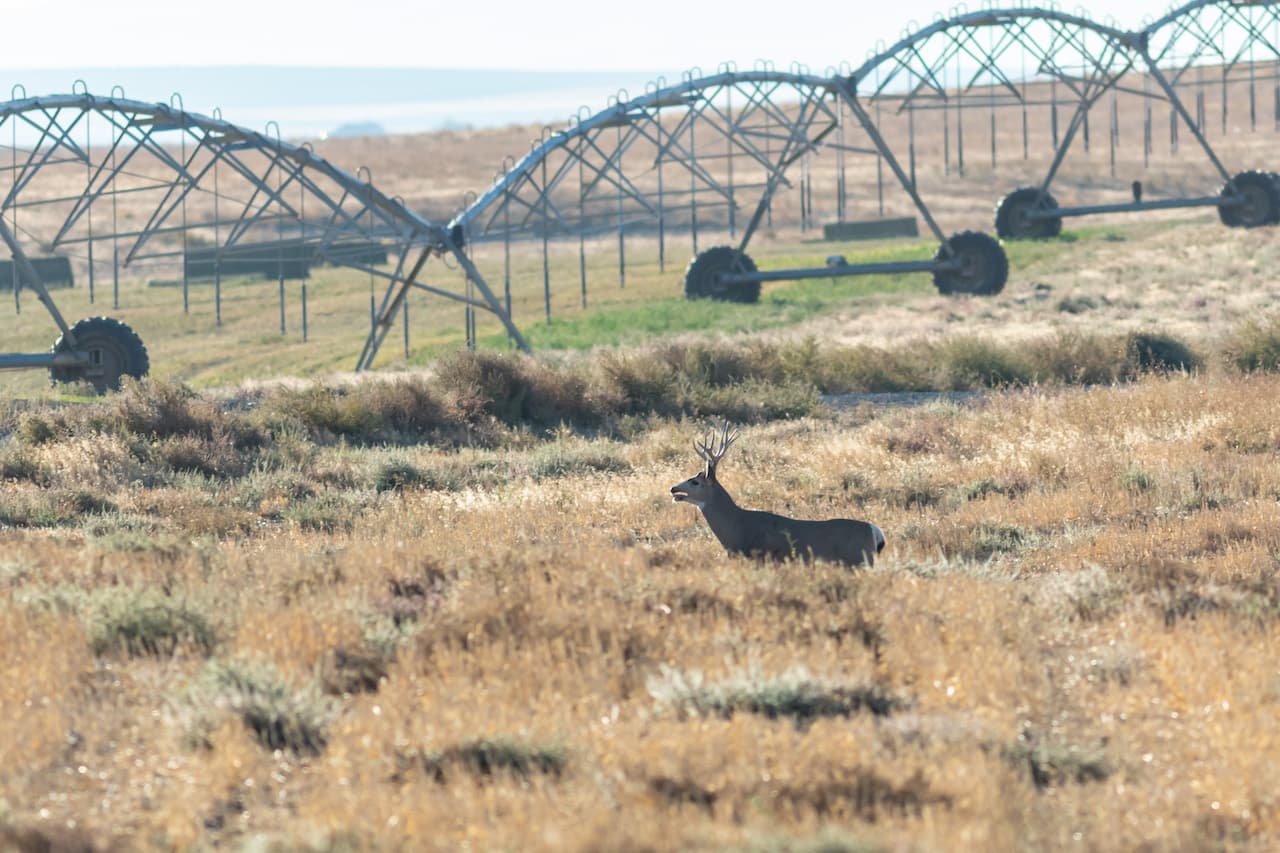
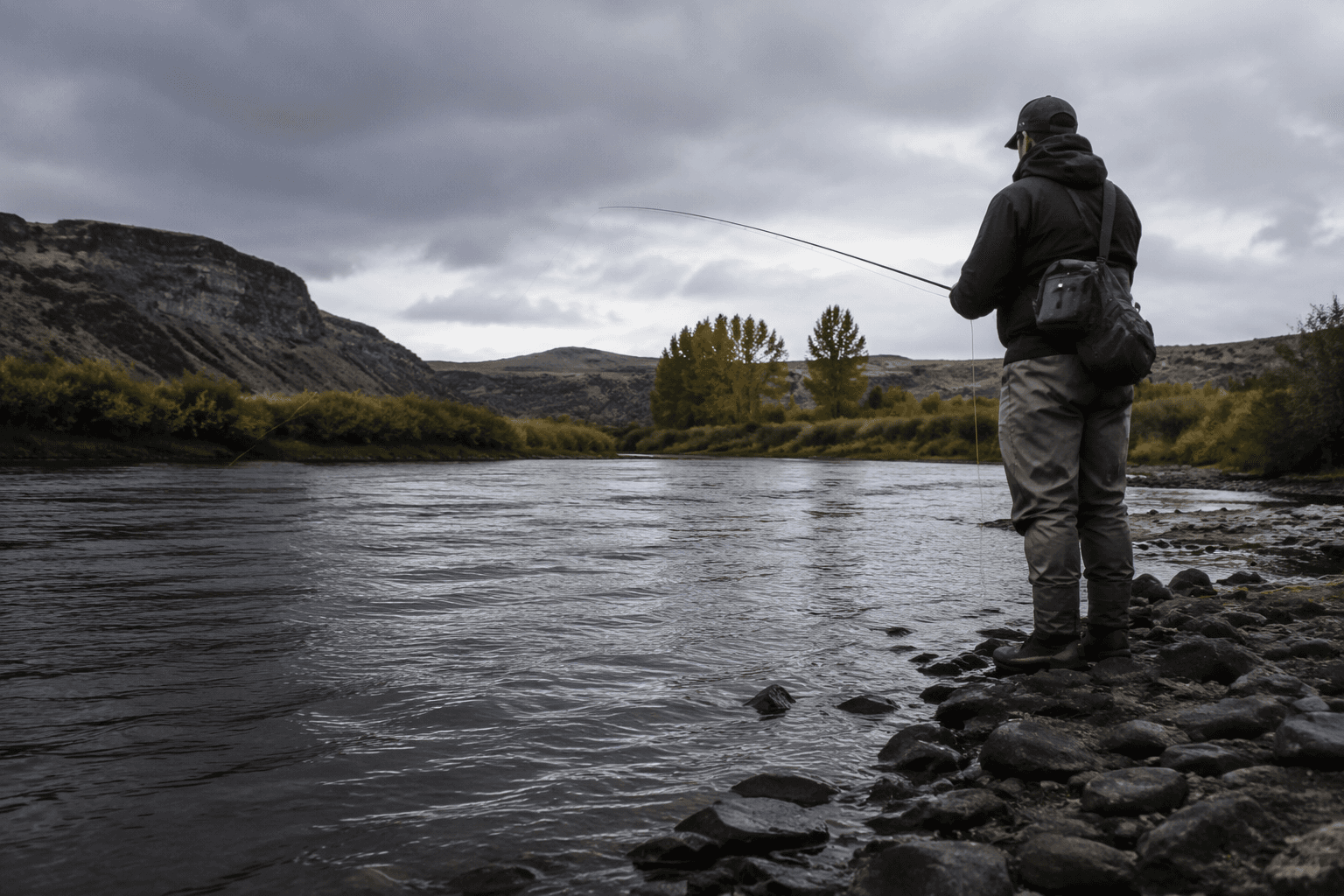
That broader reading is what gave the campaign urgency in eastern Oregon. In Union County, hunting seasons, angling access, ranch operations and public-land use are not separate political issues but part of the same landscape. Outfitters, anglers, hunters, ranch families and conservation groups all stand to feel the effects when state law changes the rules for wildlife, land use and animal care. Because the measure never reached the ballot, those conflicts will not be decided in November, but the underlying arguments remain in place.
The failure of IP 28 also shows how Oregon’s initiative system can stop a proposal before election day. Organizers had enough signatures to create pressure, but not enough validated names to clear the legal threshold for the ballot. That leaves Union County and the rest of eastern Oregon with the current hunting, fishing and land-use rules intact for now, even as future efforts over wildlife management and animal-use exemptions are likely to draw the same rural and conservation interests back into the fight.
This article was produced by Prism’s automated news system from verified source data, official records, and press releases, then run through automated quality and moderation checks before publishing. The system is built and supervised by the people who set the standards it runs under. Read our full AI policy.
Did this article answer your question?