Union County coalition spotlights mental health, suicide prevention efforts
Union County is pairing harder data with local help, from 988 to La Grande-based services, as leaders work to close the gap between need and access.
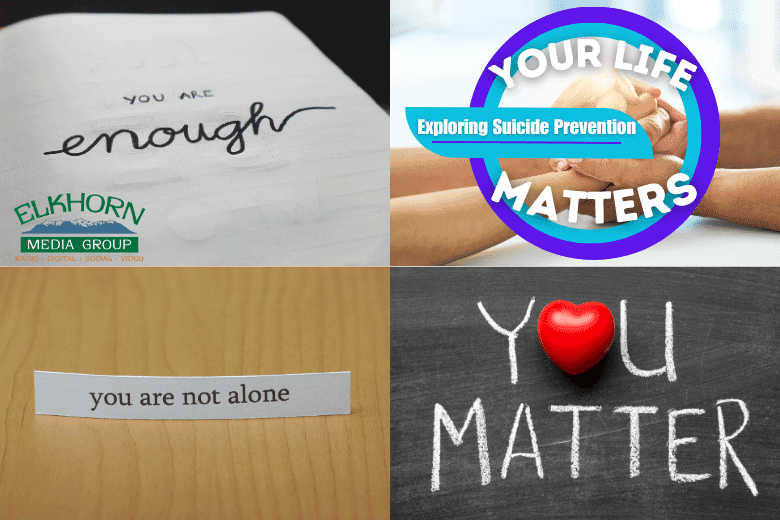
Union County’s mental-health response is being built in public, with local leaders using suicide-prevention conversations to show both the urgency of the problem and the resources that already exist. The latest installment of Elkhorn Media Group’s Your Life Matters keeps the focus on a difficult but practical question: where people in Union County can turn when they are struggling, and who is still slipping through the cracks.
A local coalition trying to keep help visible
The episode centers on Jessie Wilson, the coordinator for the Union County Safe Communities Coalition, and Stu Spence, the La Grande Parks and Recreation director who also serves as a coalition co-chair. The discussion is part of a monthly effort meant to share resilience stories, expert insight, and practical strategies for people dealing with suicide, depression, and other mental-health challenges.
That framing matters in a county where stigma can keep people silent long after symptoms start. The coalition’s approach is not just about raising awareness for its own sake. It is trying to make it easier for residents to talk about mental-health strain, ask for help, and understand that support is a normal part of community safety, not a last resort.
The conversation also reflects a broader shift in how local prevention work is being described. Instead of treating suicide prevention as a standalone issue, the coalition is linking it to mental health, youth well-being, community safety, and postvention, the support that follows a suicide loss. That wider lens is especially important in smaller communities, where one crisis can ripple through schools, workplaces, sports teams, and neighborhoods all at once.
What the series is surfacing
The episode covers Mental Health Awareness Month takeaways, youth and teen substance abuse, the pressures young people face, the Union County Youth Conference, adult suicide postvention, and demographic information from the QPR Institute. Together, those topics point to a county trying to move from general concern to more targeted action.
The youth focus is especially notable. Young people in Union County face the same forces seen across Oregon, including stress, isolation, substance use, and barriers to timely care, but in a place where services are limited by geography and staffing. That is why pairing prevention with postvention and youth outreach is so important: it gives schools, families, and community groups more than one entry point for support.
The use of QPR data also signals that local leaders are not relying only on anecdotes. QPR, short for Question, Persuade, Refer, is a suicide-prevention training model that the institute says is designed to reduce suicidal behaviors and save lives. The organization says evidence from 10,373 gatekeepers shows those skills are used daily to recognize warning signs and connect people to support. QPR also says its courses teach means reduction, safety planning, and continuity of care.
Where Union County residents can turn right now
For anyone needing immediate support, the first stop is the 988 Suicide & Crisis Lifeline. Oregon Health Authority says 988 connects callers, texters, and chat users to crisis counselors, and the state also notes that counties in Oregon operate local crisis lines independently. That layered system matters in a county like Union, where the closest help may depend on whether someone needs a phone call, a text conversation, or a local provider they can reach in person.
Local services are anchored by Center for Human Development in La Grande, a nonprofit that serves Union County residents with addictions and mental-health services, developmental-disabilities services, public health services, and veterans services. The county contact directory lists Center for Human Development as an active local resource, reinforcing its role as a frontline access point rather than a distant referral name.

- 988 Suicide & Crisis Lifeline for immediate crisis support
- Center for Human Development in Union County, 541-962-8800, option 6
- New Directions Northwest in Baker County, 541-519-7126
The story also points people to New Directions Northwest in Baker County, another nearby resource for residents who may need help beyond county lines. The local contact information included in the coalition materials gives residents a direct path to care:
That combination of statewide crisis access and local service options is crucial. In a rural region, the problem is often not whether help exists somewhere, but whether people know where to start, can get through the door, and feel safe enough to use the help they are offered.
Why the data sharpen the urgency
The public-health context around the coalition’s work is hard to ignore. Oregon Health Authority says the state’s 2024 youth suicide rate remained above the national average and was the 15th highest in the United States. That makes prevention work in Union County part of a much larger statewide challenge, not an isolated local concern.
Local health planning is responding to that reality with its own data collection. Grande Ronde Hospital’s 2024 Union County Community Health Assessment was based on surveys of adults ages 19 and older conducted from October through November 2024. The hospital said the resulting report would help community partners prioritize action plans and strategies for improving community health across Union County’s more than 2,039 square miles in northeast Oregon.
That geography is not just a statistic. It shapes access, transportation, wait times, and the likelihood that a resident will find services before a crisis worsens. The hospital’s implementation strategy for fiscal years 2026-2028 says the community assessment was approved by the Grande Ronde Hospital Board of Directors on April 23, 2025, showing that local survey data is already being translated into planning.
A network that works only if people can reach it
Union County’s support system is not limited to one coalition or one agency. The county’s contact directory lists the Union County Safe Communities Coalition and Center for Human Development as active local resources, placing the prevention effort inside an existing network of services rather than a one-time campaign. That matters for residents who may need repeated contact, not a single referral.
The county-wide message emerging from the coalition’s work is straightforward: mental-health struggles are common, suicide prevention is everyone’s business, and help is available now. The challenge is making sure residents know where to find it, trust the people offering it, and can get connected before a crisis becomes an emergency.
For Union County, the work ahead is not only about talking more openly. It is about closing the distance between need and access, one conversation, one referral, and one doorway at a time.
This article was produced by Prism’s automated news system from verified source data, official records, and press releases, then run through automated quality and moderation checks before publishing. The system is built and supervised by the people who set the standards it runs under. Read our full AI policy.
Did this article answer your question?