Union County museum traces cowboy history from cattle to culture
Union County Museum’s cowboy exhibit ties local ranching memory to the county’s living farm economy, from cowboy tack to the cattle story behind the West.
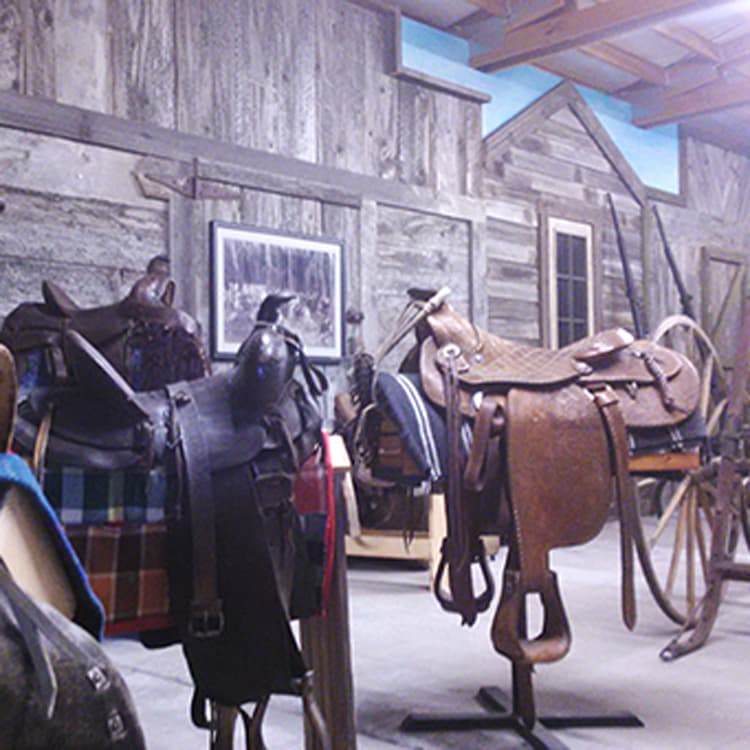
The Union County Museum turns cowboy history into a local story, not a distant Western myth. Its “Cowboys: Then & Now” exhibit asks, “True story, legend, or myth?” and answers that question through the people, tools, and livestock culture that shaped Union County, Oregon.
Cowboys, cattle, and the local West
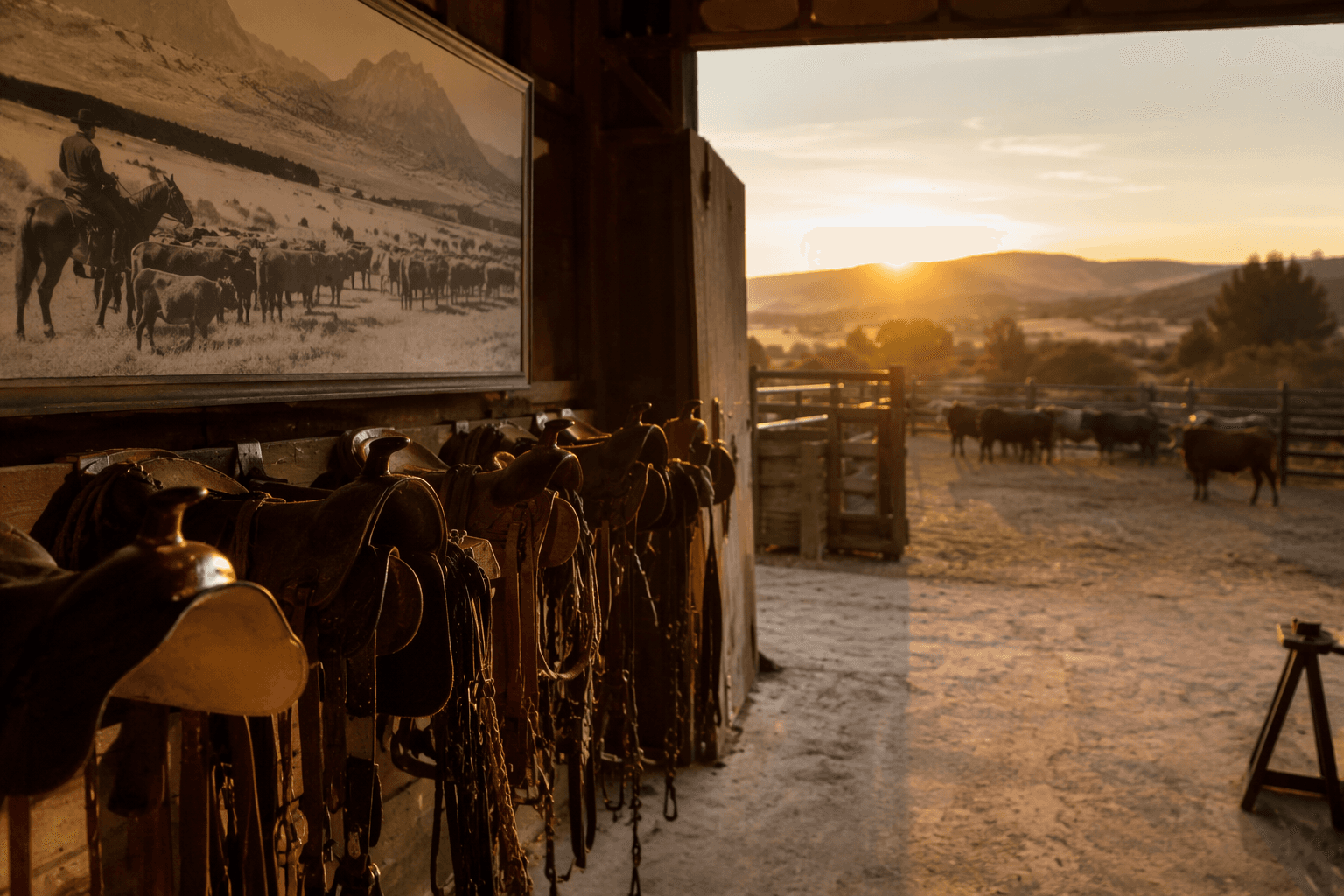
The exhibit is built as a timeline tracing the history of cattle and cowboys in America, starting with the domestication of cattle and following the rise of the cowboy as a cultural icon. The museum says visitors can learn how domestic cattle made their way to America and became an icon of the American West, then explore cowboy tack and the material culture that grew out of working livestock.
That matters in Union County because the cowboy story here is not just performance or nostalgia. It is tied to the county’s ranching identity, to grazing land, and to the practical work that still shapes families and livelihoods in the high desert and mountain country around Union, Oregon. The exhibit’s own framing points back to “the men and women who settled the west,” which gives the county a place in a broader Western history without flattening it into legend.
A museum built to keep community memory intact
The Union County Museum Society says its job is to collect, preserve, study, and exhibit artifacts that illustrate the story of humans and their environment in Union County, Oregon. That mission gives the cowboy exhibit a bigger purpose than display alone. It places ranching gear, local memory, and everyday work inside a community archive that tries to keep the county’s past legible to the people who live there now.
The society is an all-volunteer organization and a 501(c)(3) nonprofit. It says it is funded by membership fees, admission fees, gift shop sales, donations, and grants. That structure matters in a rural county where local heritage institutions often depend on community participation as much as ticket revenue, and where the people preserving history are usually the same people who grew up around the work being preserved.
Why the county’s farm economy still belongs in the story
Union County’s agricultural profile gives the exhibit a present-day backdrop. The USDA National Agricultural Statistics Service’s 2022 Census of Agriculture county profile reports 806 farms, 342,913 acres in farms, and $74,790,000 in market value of products sold. The county’s 2017 profile reported 820 farms, 385,152 acres in farms, and $57,123,000 in market value of products sold.
Those figures show a county where farming and livestock production remain part of the local economy, even as the shape of that economy changes. The drop in acres in farms from 385,152 to 342,913 and the slight decline in farm count from 820 to 806 sit alongside a sharp rise in market value of products sold, which the 2022 profile shows at $74,790,000, up 31% from 2017. That is the kind of shift that makes a cowboy exhibit more than a look backward. It becomes a way to understand how ranching identity continues to evolve in a working county.
The museum’s emphasis on cowboy tack also keeps the story grounded in labor rather than myth. Tack is the everyday equipment of ranch work, and that detail helps explain why cowboy culture still feels local in Union County. The point is not just who cowboys were in the Western imagination, but how people used tools, animals, and land to make a living here.
Plan your visit to the museum
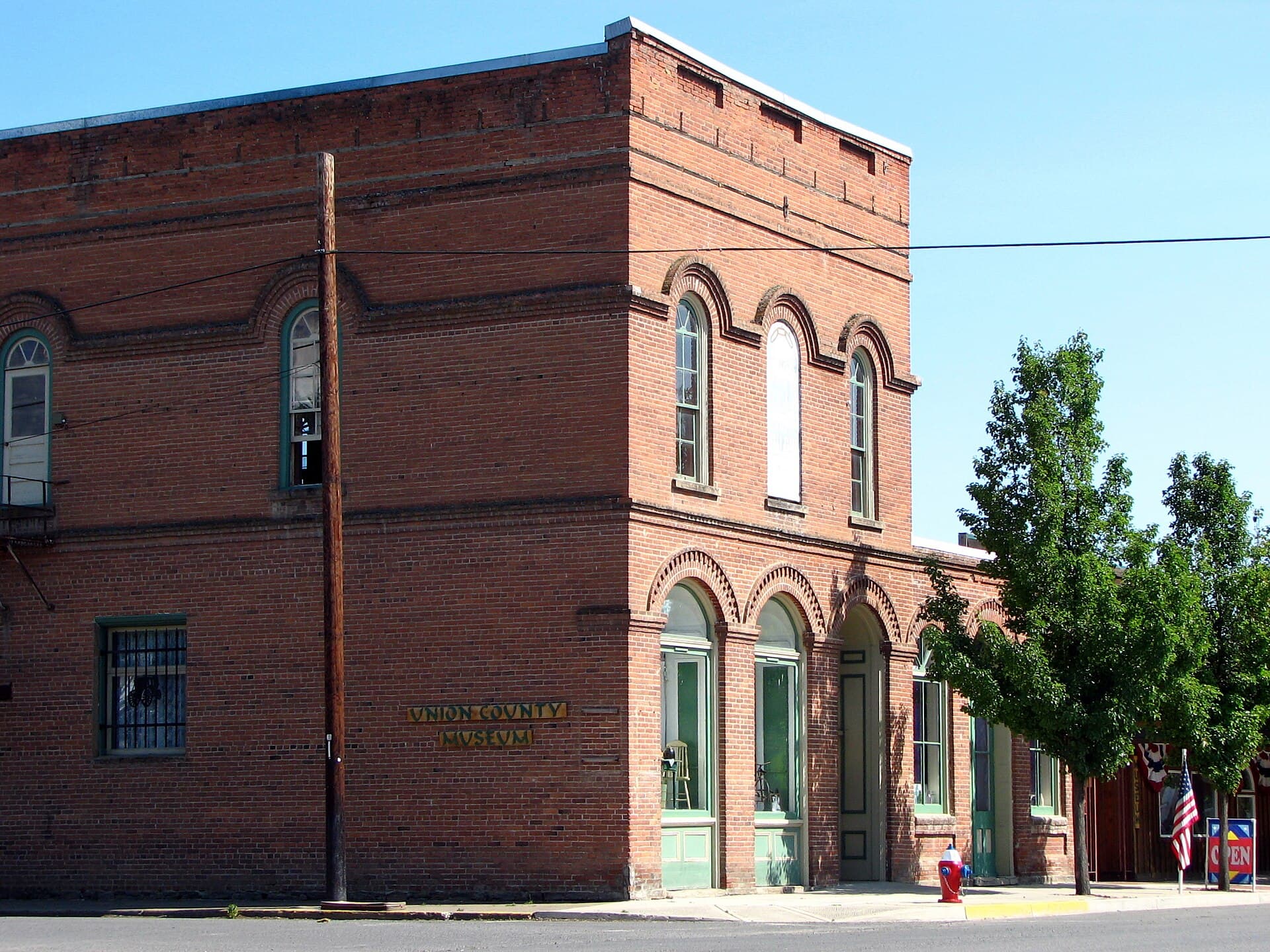
The museum is open seasonally from Mother’s Day through September, Wednesday through Saturday, from 11 a.m. to 3 p.m. A museum social post lists admission at $5 for general admission, $4 for seniors, $3 for students in K-12 and college, and free for children under 6. Those hours and prices make the museum an easy stop for families, road-trippers, and anyone mapping a day in Union.
The Union County Museum also fits into a broader heritage route in town. Travel Oregon and Visit Eastern Oregon list it as a destination, and the City of Union includes it in its local directory. Visit Union, OR describes downtown Union as a place where Victorian charm meets mountain air and says the town’s heritage stretches from the Union County Museum to the Carnegie Library.
That local setting helps explain why the cowboy exhibit lands the way it does. It is not presented as a generic tribute to the American West, but as an entry point into Union County’s own history of cattle, ranching, and community memory. In a county where farms still cover hundreds of thousands of acres, the museum’s cowboy timeline reads less like distant folklore and more like a record of how work, land, and identity have stayed linked across generations.
This article was produced by Prism’s automated news system from verified source data, official records, and press releases, then run through automated quality and moderation checks before publishing. The system is built and supervised by the people who set the standards it runs under. Read our full AI policy.
Did this article answer your question?