Union County senior center expands role as community hub
The Union County Senior Center is serving meals, fitness and home-delivered nutrition while acting as a daily gathering place for older adults and neighbors alike.
A center built around daily needs
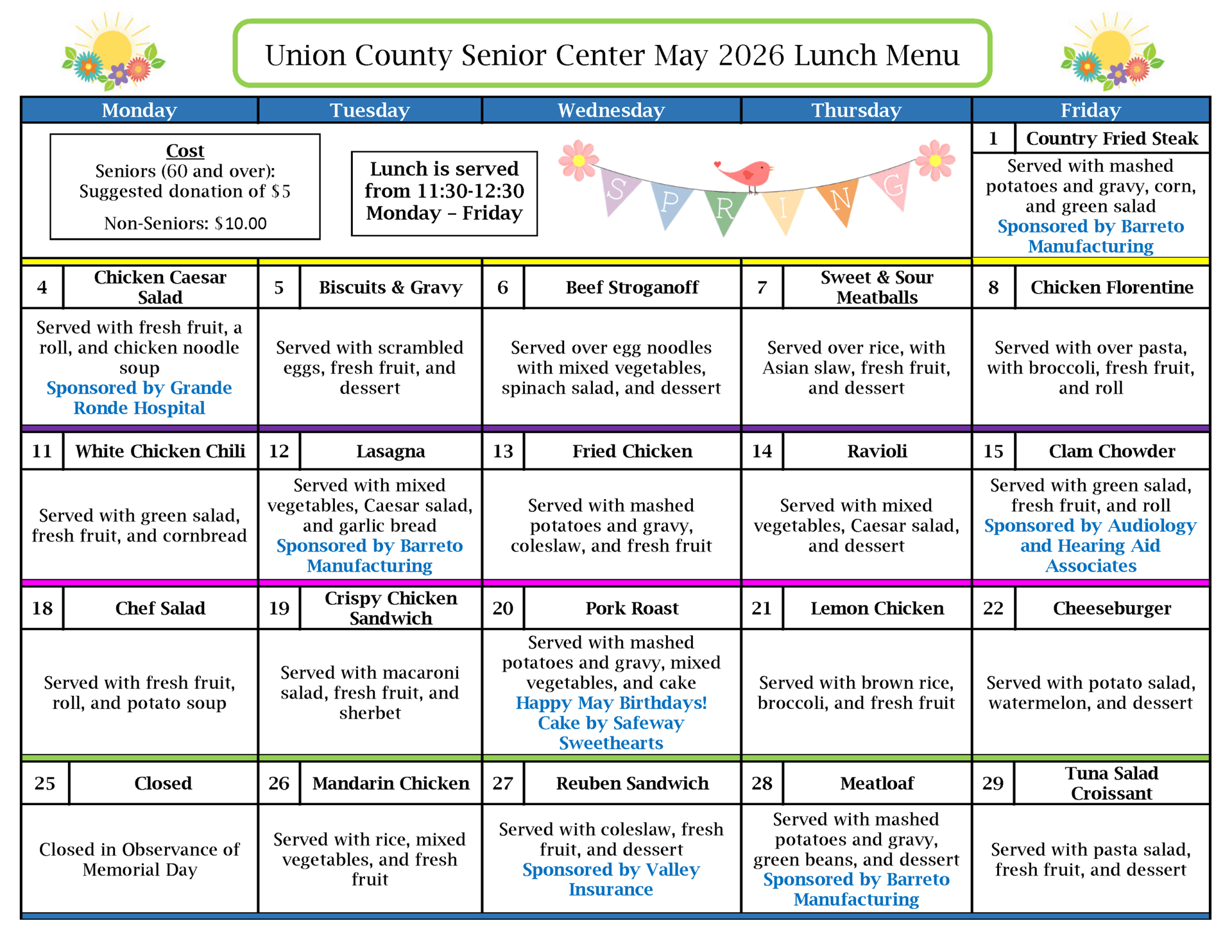
The Union County Senior Center is functioning as one of La Grande’s most practical pieces of social infrastructure. In a recent visit to the Union County Retired Educators Club, Tony Carman, the center’s new operations manager, described a place where exercise classes, lunch service and volunteer outreach all overlap for seniors and other residents who rely on the building for more than a meal.
Carman’s message was simple: the center matters because people need a reason and a place to come together. That role has become more visible as the center expands beyond the idea of a dining room and into a broader community hub, with programs that touch nutrition, social connection and home support.
What Union County seniors can use
Community Connection of Northeast Oregon runs the Union County Senior Center at 1504 N Albany St. in La Grande, and the organization says its mission is to advocate for and assist people by providing pathways to stability with individualized services and resources across Union, Baker, Wallowa and Grant counties. At the La Grande site, meals are scheduled at 11:30 a.m. on weekdays, and CCNO says meal-site lunches are served up to five days a week.
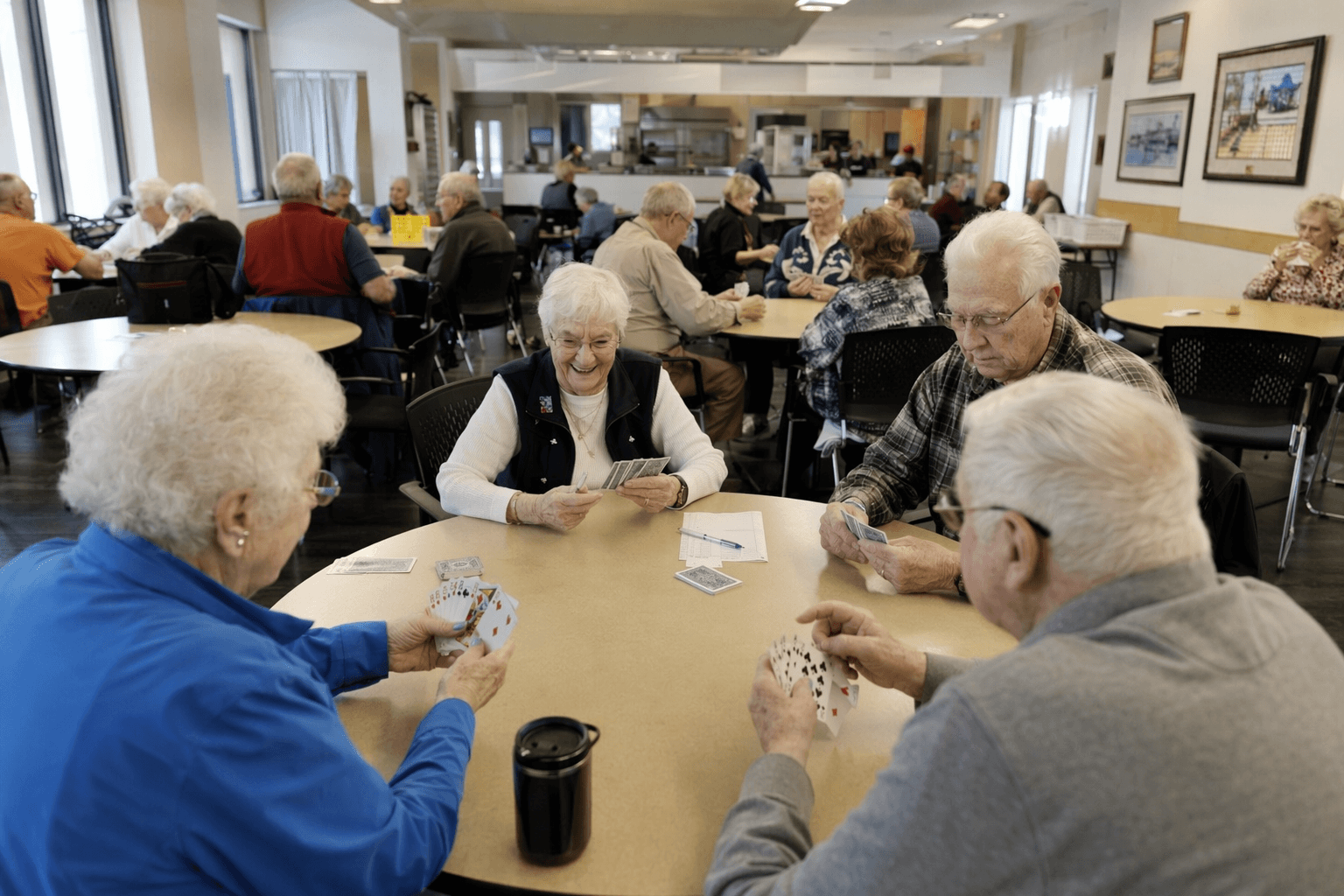
Those lunches are open to the public and are designed to do two jobs at once: provide at least one nutritious meal and create a place for social interaction. CCNO says meal sites are meant to be gathering places where people can meet friends, dance, play cards, watch movies, play bingo and take part in other activities. A public event listing says seniors over 60 are asked for a suggested $5 donation, while others pay $8, giving the lunch program a clear structure that makes it accessible without making it feel closed off.
The center also offers a lending library with no late fees or checkout process, a small detail that points to how the building works as a daily neighborhood resource rather than a single-purpose program site.
Meals, mobility and the reach beyond the building
The biggest practical distinction in the center’s work is that not everyone can make it to the lunch table. CCNO says its home-delivered meals program serves adults 60 and older who are homebound or otherwise unable to shop for or safely prepare meals. The organization also includes some spouses and disabled dependents in that support network, which broadens the reach of the service beyond the senior population alone.
That home-delivered work is paired with volunteer effort. Carman said volunteer staff members also deliver Meals on Wheels for residents who cannot easily get to the center, extending the program to people whose mobility or transportation barriers would otherwise cut them off from a regular meal. In a rural county, that matters as much as the food itself, because a meal route can be the difference between staying independent and being forced to scramble for help.
CCNO also says staff help seniors and family members sort out needs through Options Counseling. That counseling role makes the center more than a drop-in lunch site: it becomes a place where residents can ask questions, identify services and connect to support before a problem grows into a crisis.
Why the staffing change matters
Carman’s new role is not simply administrative. A CCNO job posting for the Union County Senior Center operations manager says the position includes advocating for senior and low-income residents, developing financial resources through grant writing and fundraising, and overseeing program operations and staff. That means the person in the job has a direct hand in whether lunch continues smoothly, whether programming stays active and whether the center can keep its doors open as a useful county service.
The job description also points to the pressure points behind the scenes. Program continuity at a center like this depends on staffing, money and coordination, not just goodwill. If the operations manager is responsible for both service delivery and fundraising, then changes in leadership can affect everything from class schedules to how consistently meals reach older adults who are homebound.
Programming that keeps the center active
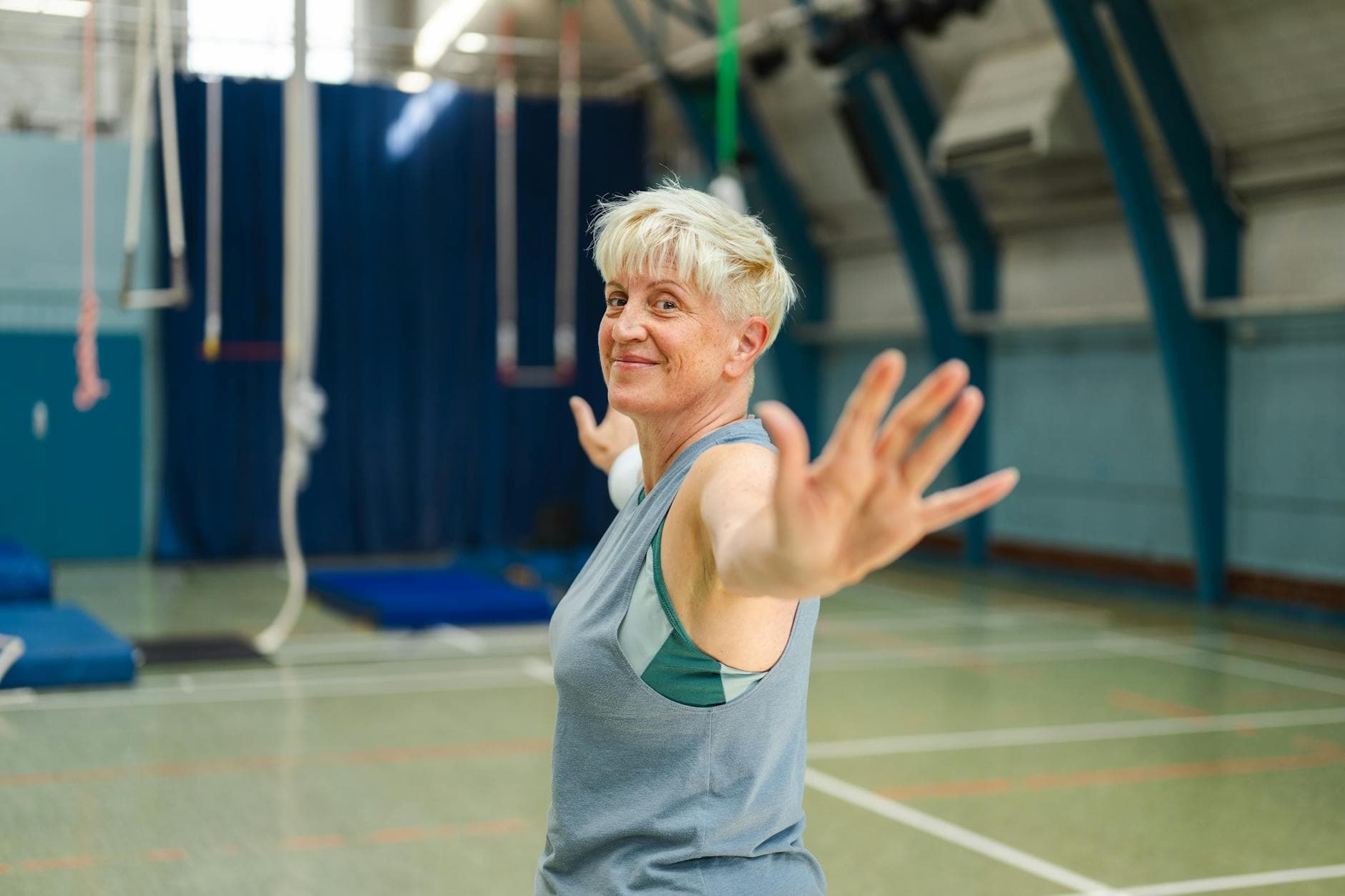
Carman told the retired educators that exercise classes have become especially popular and well attended. That is more than a pleasant extra; it is a sign that the center is serving health needs that go beyond nutrition. Regular movement programs can help keep older adults active enough to continue getting to appointments, to lunch, and to the social events that reduce isolation.
The calendar on CCNO’s Union County community center page reinforces that wider role. Alongside lunch service, the organization promotes newsletters for meal site menus, bingo, events and other activities. The pattern is clear: the center is not only feeding people at noon, it is trying to keep them engaged throughout the week with low-barrier programming that makes it easier to stay connected.
Why the retired educators’ meeting matters countywide
The Union County Retired Educators Club’s decision to hear from the senior center says something about civic life in the county. A group made up of former educators is still paying attention to how local services work, who provides them and what older residents need as the county ages. The meeting also shows that the senior center is part of a wider support network, one that relies on public awareness as much as on staff effort.
That is the larger point behind Carman’s visit. The Union County Senior Center is not just another program under one roof. It is a place where lunch, exercise, outreach, counseling and volunteer delivery meet the day-to-day realities of living in Union County, and the people who depend on those services will feel any change in leadership or programming long after the meeting ends.
This article was produced by Prism’s automated news system from verified source data, official records, and press releases, then run through automated quality and moderation checks before publishing. The system is built and supervised by the people who set the standards it runs under. Read our full AI policy.
Did this article answer your question?