Wallowa-Whitman forest fully staffed for wildfire season, supervisor says
Shaun McKinney said the Wallowa-Whitman is fully staffed for fire, a notable shift from 2025 shortages as Union County faces 57 at-risk communities.
The Wallowa-Whitman National Forest says it is heading into wildfire season with every fire position filled, a change that matters far beyond forest boundaries for Union County residents who live with smoke, closures and evacuation pressure when lightning or human-caused fires start in the hills.
Shaun McKinney told Baker County commissioners on May 6 that the forest was fully staffed for fire and described the organization as “incredibly robust.” On a forest that spans 2.4 million acres across northeastern Oregon and western Idaho, that staffing level is more than an internal milestone. It is the difference between a fast initial attack and a scramble for help when multiple starts hit at once.
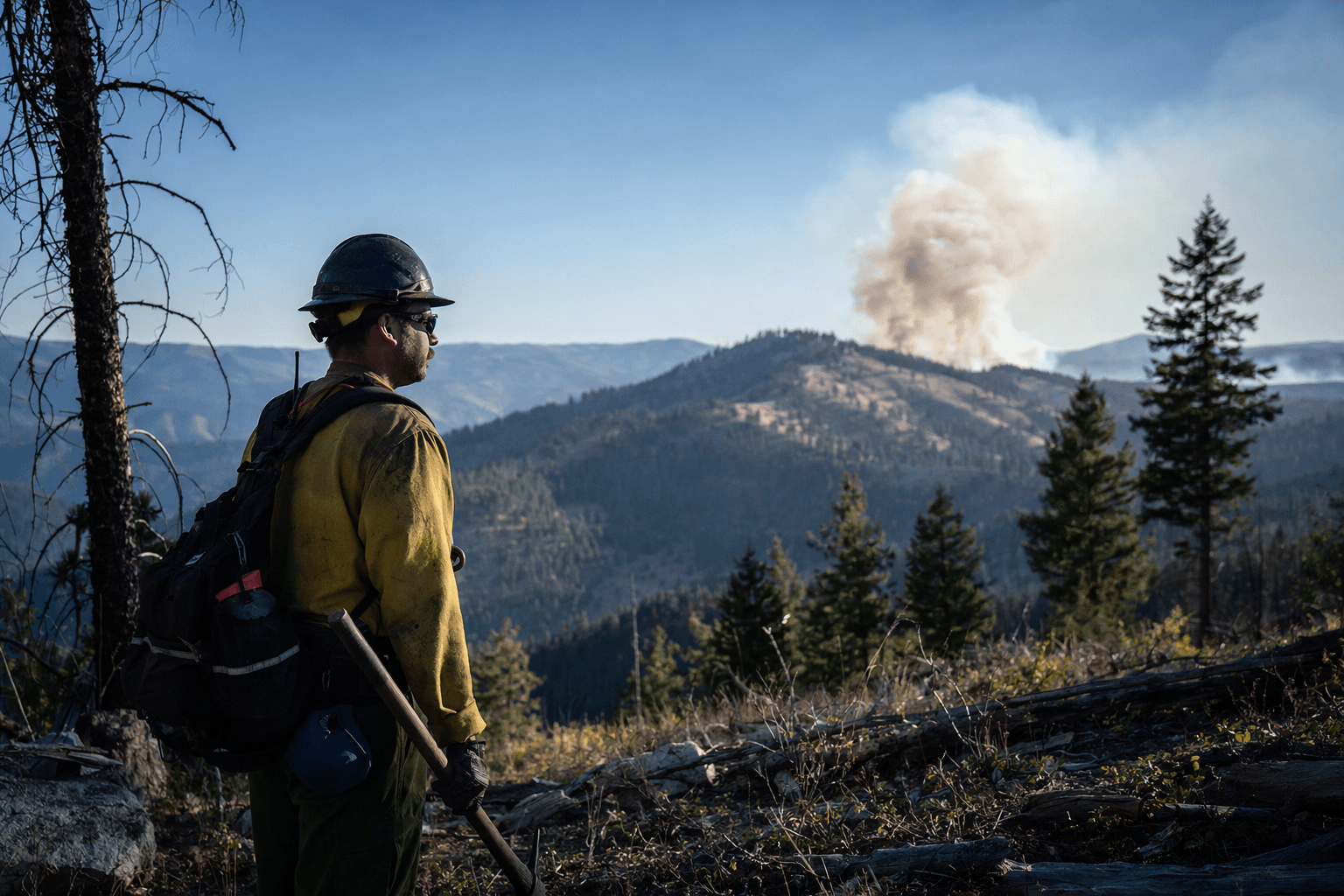
The practical stakes are easy to see in the forest’s own fire structure. The Grande Ronde Fire Zone averages about 50 fire starts a year and staffs three lookouts from July through September. The Burnt Powder Fire Zone averages around 50 initial-attack fires each season, with fire season typically beginning in early July, peaking in mid-August and ending in early October. A fully staffed year should mean quicker detection, steadier coverage across those zones and less dependence on thin mutual-aid systems when local crews are already stretched.
That is why the comparison to recent years matters. In early 2025, the forest faced local alarm after it fired at least 30 employees, and area leaders warned of a dangerous season if fire-certified workers were not replaced. McKinney’s 2026 message suggests a stronger footing, but the real test will be whether staffing matches the promise when the first hot, windy stretch arrives. Residents should be watching whether engines, lookouts, prevention work and response times are as solid as the headline implies.
The forest is already moving into operational season. On May 6, crews began prescribed burning near Joseph in the Cold Canal 505 area of the Wallowa Fire Zone, east of Joseph near White Horse Ridge and the Big Sheep Creek Drainage. That kind of work can reduce future fuel loads, but it also shows how quickly the forest shifts from planning to action once conditions allow.
Restrictions can tighten just as fast. Last summer, the forest imposed Phase A Public Use Restrictions on July 4 and lifted them Sept. 18 after rain and moderating temperatures. Those rules can cover campfires, smoking, off-road travel, generators and recreation-related chainsaw use, all reminders that staffing is only one part of readiness.
Union County’s own 2026 Community Wildfire Protection Plan puts the local risk in blunt terms: 57 communities are at risk, and wildfire danger to homes is higher than 94% of counties nationally. Statewide grants from the Oregon State Fire Marshal, which can provide up to $35,000 per agency, sent almost $6 million to 180 local fire agencies in 2026, including departments in Union and Wallowa counties. The message for this summer is clear: the forest may be fully staffed, but public safety will still depend on prevention, speed and whether every level of the response system holds when the fires start.
This article was produced by Prism’s automated news system from verified source data, official records, and press releases, then run through automated quality and moderation checks before publishing. The system is built and supervised by the people who set the standards it runs under. Read our full AI policy.
Did this article answer your question?