Union’s downtown historic walk showcases preserved Victorian charm
Union’s compact downtown can be explored in one self-guided walk from the Union County Museum to the Carnegie Library, with the Historic Union Hotel and City Hall along the way.
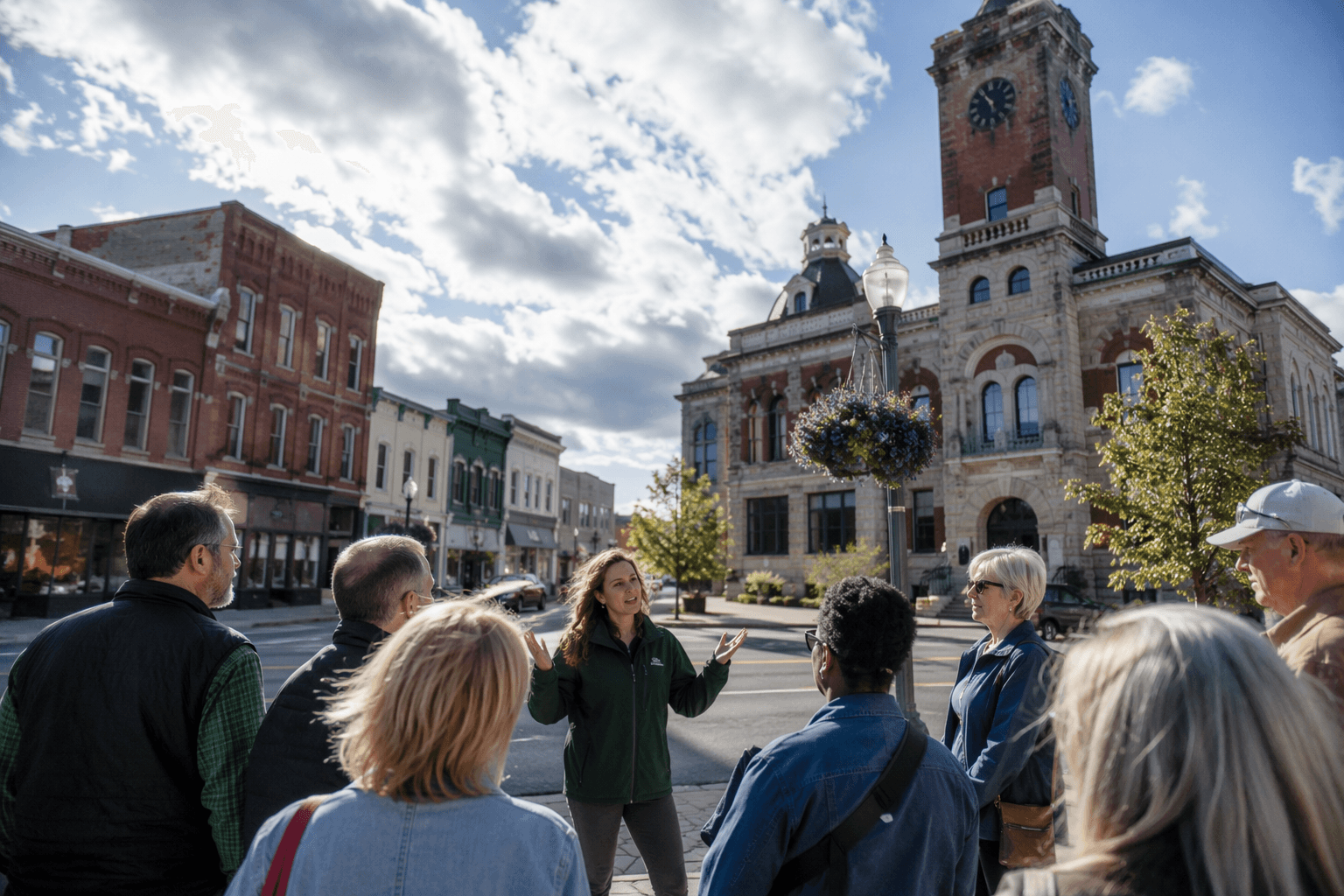
Downtown Union works best as a walk, not a drive-by. The City of Union’s Historic Preservation Commission points visitors to an Interactive Historic Walking Tour, and the route makes the city’s preserved core the destination itself. In a few blocks, you can see why Union’s main street still reads like a Victorian-era county seat, with civic, commercial and hospitality buildings standing close enough together to tell a clear story.
Start with the downtown core
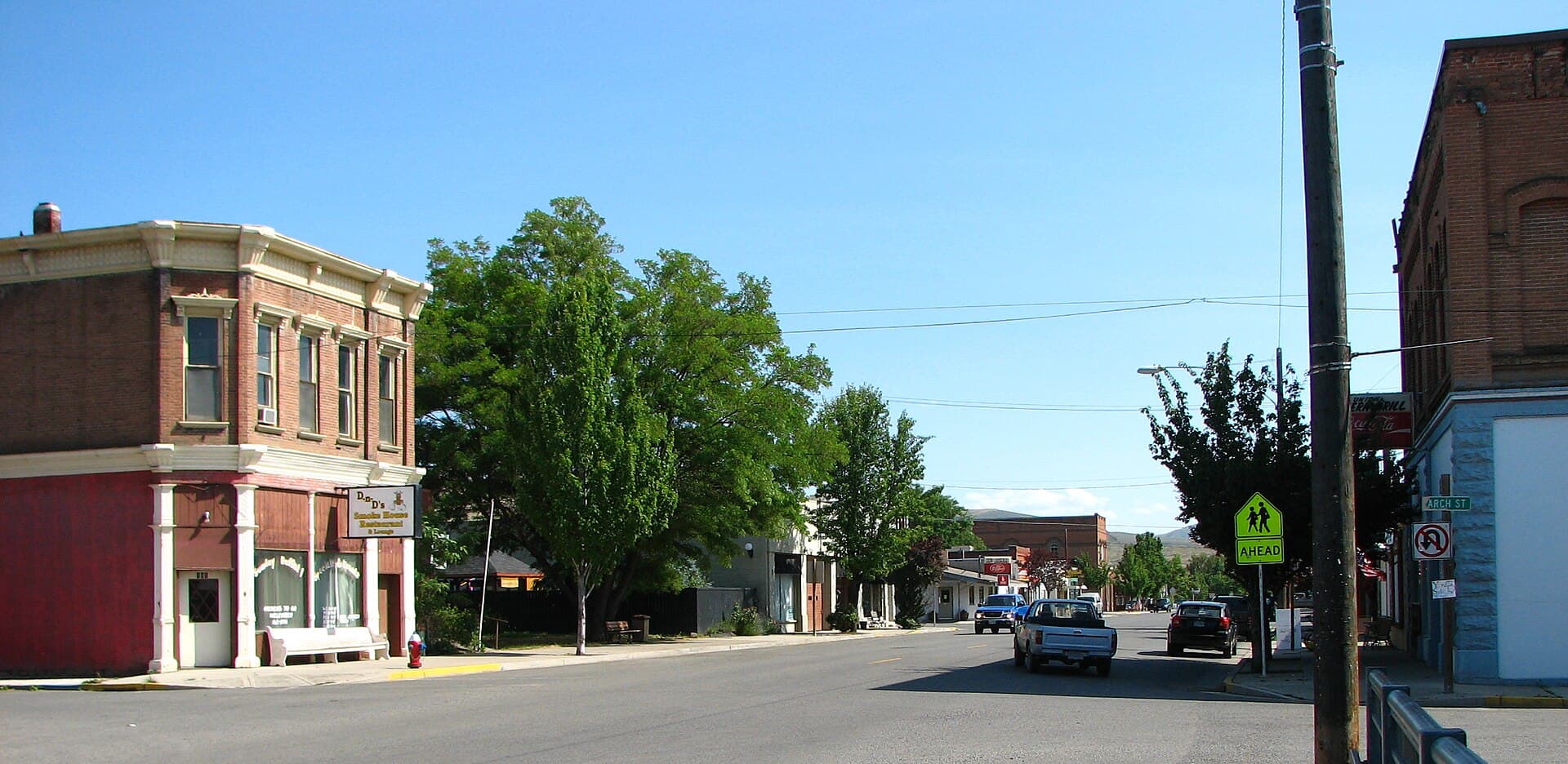
The most practical way to experience Union is to begin on Main Street, where the city’s historic district is compact enough to explore on foot. Travel listings identify the Union Main Street Historic District as a historic site, and the city’s own Historic Buildings gallery shows that preservation here is not limited to one showcase property. This is a downtown where the buildings still shape daily movement, from city offices to lodging to the public library.
Visit Union, OR describes downtown Union as a place where “Victorian charm meets mountain air,” with tree-lined streets, Victorian buildings and a heritage that stretches from the Union County Museum to the Carnegie Library. That framing fits the walk because the landmarks sit close together and still function as part of the city’s working center. You are not just looking at façades; you are moving through the same streets that helped Union grow as a county seat and service center.
What to notice as you walk
The route becomes clearer when you look for the buildings that anchor civic life. The city directory includes the Union Carnegie Public Library, the Historic Union Hotel and Union City Hall, and those three names alone show how the downtown developed around public service, travel and community use. Together they give the walk a simple logic: start with the institutions that brought people in, kept them here and served them.
The Historic Union Hotel, at 326 N. Main Street, is especially useful as a stop because it shows how preservation can stay practical. Its facilities page says a new elevator was installed in 2022, a reminder that older buildings in Union are not sealed off as museum pieces. They are still being adapted so they can serve new visitors and current uses without losing their historic character.
The Union Carnegie Public Library connects the town to a much larger Oregon story. The Oregon Encyclopedia says Carnegie libraries in Oregon were built between about 1901 and 1920, and 31 were built statewide. A postcard caption in the search results says Union’s Carnegie Library was built in 1909 with a $10,000 Carnegie Foundation grant at the southwest corner of South Main and Carnegie streets. That gives the building a precise place in time and money, and it places Union inside a statewide wave of early-20th-century civic investment in public reading rooms.
Use the self-guided tour to build the loop
PocketSights and STQRY list a “Main Street Union Oregon Walking Tour” with 21 stops. Its overview says the tour visits the historic homes and buildings of Union, Oregon, and the text notes that by 1865 Union’s population had grown to over 100 inhabitants. That small-but-growing settlement became a place where county government, trade and hospitality all needed a visible downtown, and the walk still reflects that pattern.
If you want the most useful version of the outing, treat the 21-stop tour as a flexible loop rather than a checklist. Start near the Union County Museum, follow Main Street toward the library and the hotel, and let the city’s historic buildings gallery fill in the context as you go. The walk is especially strong for people who want to understand the city as a lived-in place, not just a collection of preserved fronts.
- Look for the older commercial block pattern that keeps buildings close to the sidewalk.
- Pay attention to the mix of functions, library, city hall and hotel, because that is what makes the district feel like a working main street.
- Use the tour to connect individual structures to Union’s wider role in Union County history.
Why the preservation effort still matters
The city’s Historic Preservation Commission shows that the downtown is being maintained through an active local process, not left to nostalgia. Union said it had two openings on the Historic Commission, and the commission meets on the fourth Wednesday of the month at 6:00 p.m. That matters because the same questions keep coming up every year: how to protect older buildings, how to keep them useful and how to make sure the public can still read the city’s history in the streetscape.
Main Street Union, the local nonprofit focused on downtown improvement, reinforces that same idea by linking preservation to economic use. Downtown stays relevant when residents, businesses and visitors all find reasons to spend time there, and Union’s historic core does that by remaining compact, legible and active. The preservation work is visible not only in plaques and posted tours, but in the fact that the district still holds the city’s public life.
Make the walk part of a larger Union visit
Union’s tourism pitch goes beyond the downtown blocks, and that makes the historic walk even easier to fold into a weekend. Visit Union, OR pairs the city’s historic core with museums, parks and mountain scenery, while Catherine Creek State Park and the Grande Ronde Valley sit just beyond the main street experience. That broader setting helps explain why the downtown walk is worth the stop: it gives you the city’s history in a concentrated form before you move on to the landscape around it.
For a short visit, the downtown walk offers the clearest view of how Union has kept its historic center intact. The buildings are still there, the public institutions still operate there, and the streets still tell the story of a small county seat that preserved the scale that made it walkable in the first place.
This article was produced by Prism’s automated news system from verified source data, official records, and press releases, then run through automated quality and moderation checks before publishing. The system is built and supervised by the people who set the standards it runs under. Read our full AI policy.
Did this article answer your question?