Union’s history shaped by stagecoach routes and rail bypasses
Union’s identity was built on being chosen, bypassed, and chosen again. Stagecoach and rail decisions turned county-seat politics into a fight over survival and the shape of downtown.
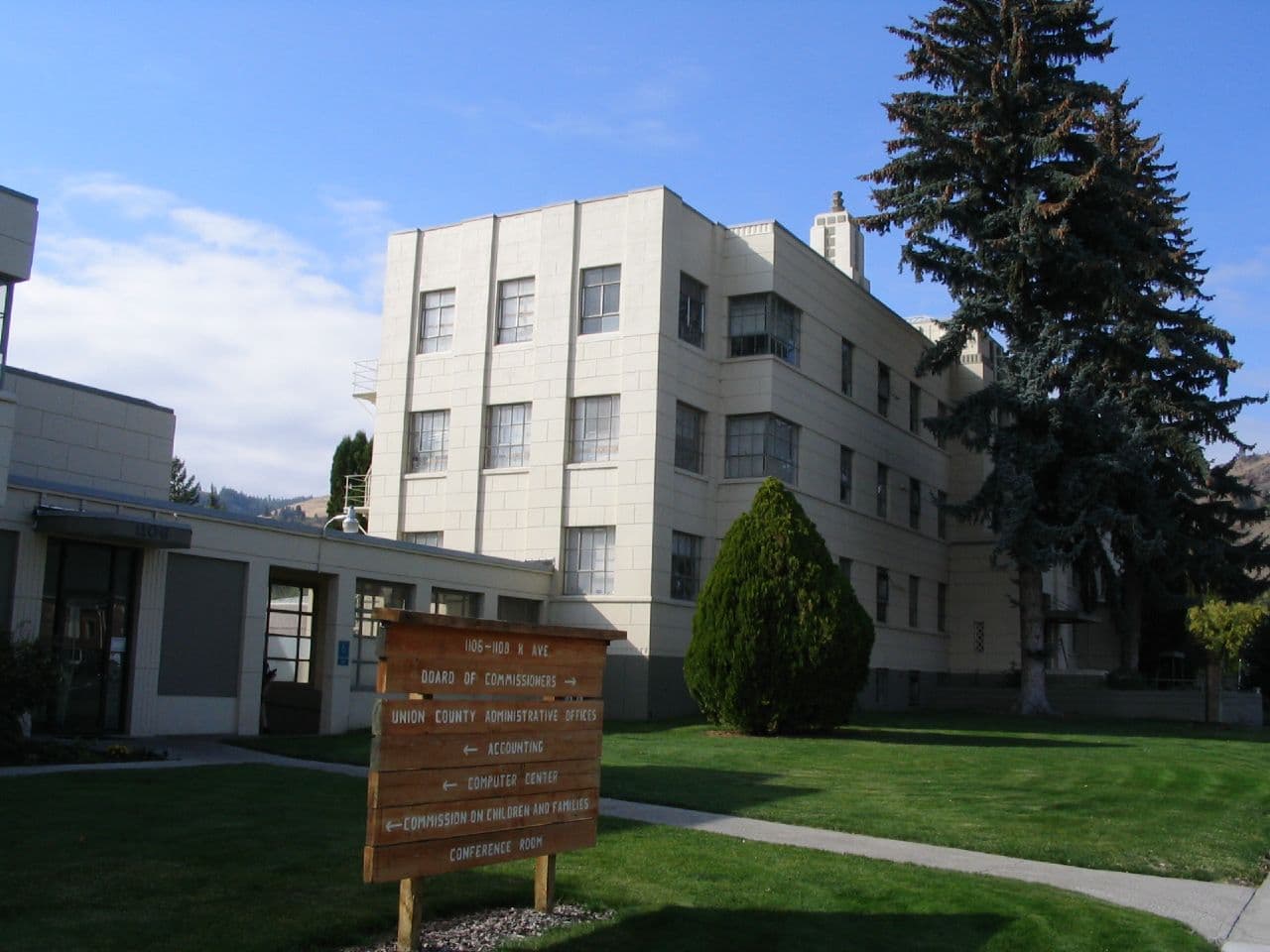
Union began as a practical place, not a picturesque one. In 1862, at Catherine Creek on the southern edge of the Grande Ronde Valley, it served as a freight-transfer point between the Columbia River route and the mining districts of eastern Oregon. The town was platted in 1864 and named to signal loyalty to the Union during the Civil War, a choice that tied local identity to a national conflict from the start.
That geography soon became politics. Union County was officially created on October 14, 1864, after it split from Baker County, and La Grande was named the temporary county seat. A countywide vote in 1865 showed how unsettled the contest already was, with La Grande ahead of Union 759 to 501. The courthouse question stayed unsettled for decades, with the seat moving back and forth between the two towns before settling permanently in La Grande in 1905.
The stagecoach era made the town more than a name on a map. In 1874, Union became county seat after stagecoach routes were redirected through town, a shift that brought travelers, business, and government traffic onto its streets. County history also notes that the first courthouses in both Union and La Grande were rented structures, a reminder that early government in this part of eastern Oregon operated with limited permanence and constant competition for advantage.
What it meant to be bypassed
Union’s turning point came when transportation moved around it instead of through it. The Oregon Railway & Navigation Company bypassed the town in 1885, stripping away the direct rail access that many communities depended on to keep merchants, shippers, and county business tied to the same place. Once rail lines made the long-distance decisions, local leadership in Union had to reckon with a new reality: a town could still be the county seat and still lose the economic center of gravity.
That bypass is the key to understanding Union’s long-term trajectory. Businesses that relied on freight and passenger traffic had to adjust to a town no longer sitting on the main route, and the county-seat rivalry became about more than courthouse pride. It became a struggle over whether Union would remain the place where people stopped, spent money, and did business, or whether those functions would drift to La Grande along the better-connected rail corridor.
For a small rural community, this is the same dilemma that still appears when a highway, bridge, broadband line, or public investment goes somewhere else. The question is never only about transport itself; it is about which streets keep their storefronts, which towns gain jobs, and which place becomes the default center for county life. Union’s 19th-century experience shows how quickly an infrastructure decision can redraw local power.
A local rail workaround
Union did not accept the bypass quietly. On March 27, 1890, the Union Electric Light & Power Company was incorporated to build what may have been Oregon’s shortest short-line railroad, intended to link Union with the Oregon Railway & Navigation Company mainline. That effort was a direct answer to the town’s exclusion from the larger rail network, a locally financed attempt to rebuild the connection that the mainline had ignored.
The project faltered at first because of inadequate funding, and it was reorganized as the Union Railway on July 18, 1890. Attorney J.W. Shelton bought the railway on November 5, 1891, and construction finally moved ahead. By August 1892, 2.29 miles of track had been laid between Union and Union Junction, a small distance on paper but a major statement for a town trying to keep itself on the transportation map.
The line did not stop there. Later railroad history identifies one branch from Union to Cove measuring 10.54 miles and another from Richmond to Hot Lake measuring 3.292 miles. The Central Railroad of Oregon operated the Union-to-Cove segment from about 1907 to 1926, and the Cove portion was abandoned in 1924. The remaining short stretch between Union and Union Junction still operates today as the Union Railroad of Oregon, a rare surviving piece of the town’s effort to answer a rail bypass with a rail line of its own.

The railroad also carried the kind of improvisation common to small western lines, including service with a secondhand dummy locomotive and later name changes as the project evolved. Those details matter because they show how far Union went to keep freight and passengers close at hand. Even the line’s eventual extensions to Cove and the Hot Lake resort grew from the same idea: if the main route would not come to Union, Union would keep building toward the route.
The town that remained
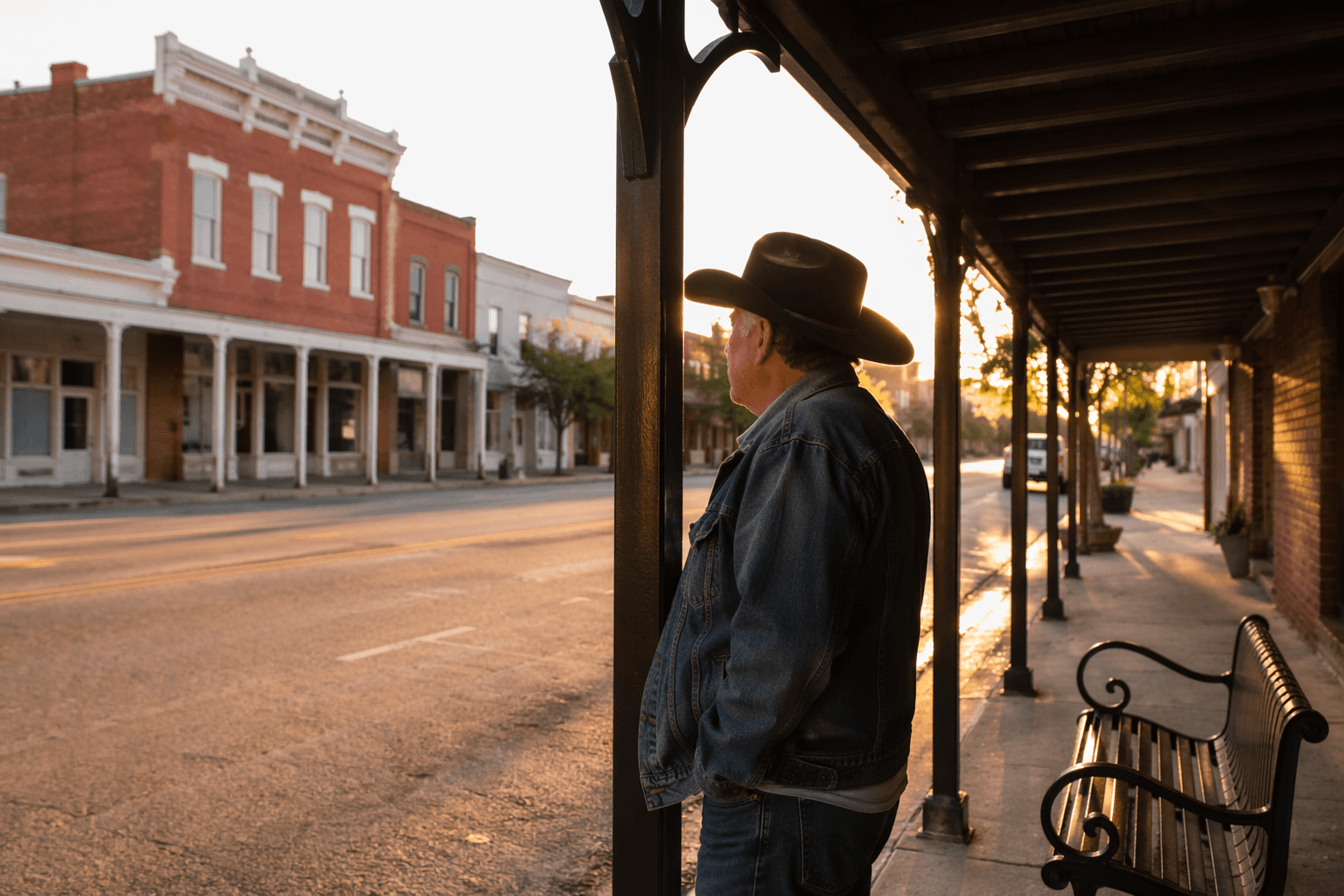
Union’s built environment still reflects those 19th-century choices. Main Street and the town’s Victorian homes form the core of its National Historic District, and the community still uses the nickname City of Victorian Heritage. That heritage is not just ornamental; it is the visible record of a town that adapted after being bypassed, then preserved much of the setting that grew out of that period.
The U.S. Census counted 2,152 residents in Union in 2020, a small population for a place with such a large historical footprint. That scale helps explain why the transportation story matters so much: in a town this size, one rail decision or one stagecoach reroute can shape the tax base, the downtown, and the county’s internal balance for generations. Union’s story is not simply that it lost out to larger corridors; it is that the town answered each loss by building a new identity around the very streets and structures left behind.
For Union County, the lesson is plain. County seats can move, railroads can reroute, and investment can pass by, but the consequences stay visible in courthouse politics, business patterns, and the architecture people walk past every day. Union’s history shows that a bypass is never just a line on a map; it is a decision that can decide which town endures, and on what terms.
This article was produced by Prism’s automated news system from verified source data, official records, and press releases, then run through automated quality and moderation checks before publishing. The system is built and supervised by the people who set the standards it runs under. Read our full AI policy.
Did this article answer your question?