Union’s Victorian Cemetery preserves Northeast Oregon’s oldest monument graves
Union’s Victorian Cemetery dates to 1862 and holds 3,267 memorial records, making it a living archive for family roots and city history.
Union’s Victorian Cemetery is older than the city around it, and its stones still serve as a working archive for family names, military ties and local memory. Founded in 1862 on land donated by Fred Nodine, it is identified by Union’s preservation materials as the oldest monument cemetery in Northeast Oregon.
A burial ground that predates Union itself
The cemetery was established 16 years before Union was incorporated as a city, which gives the site a rare kind of civic depth. It does not sit on the edge of town as a forgotten relic. It sits inside the story of how Union became Union, with the City of Union Historic Preservation Commission and the Union Cemetery Maintenance District both treating the site as part of the city’s identity rather than a separate chapter.
That distinction matters for anyone tracing roots in Union County. A cemetery founded before incorporation can preserve names, family clusters and land-use history that never made it into municipal records. Oregon Heritage also includes Union’s cemetery on its list of historic cemeteries, placing the site in a wider preservation network that recognizes it as part of the state’s historic landscape.
What makes it a monument cemetery
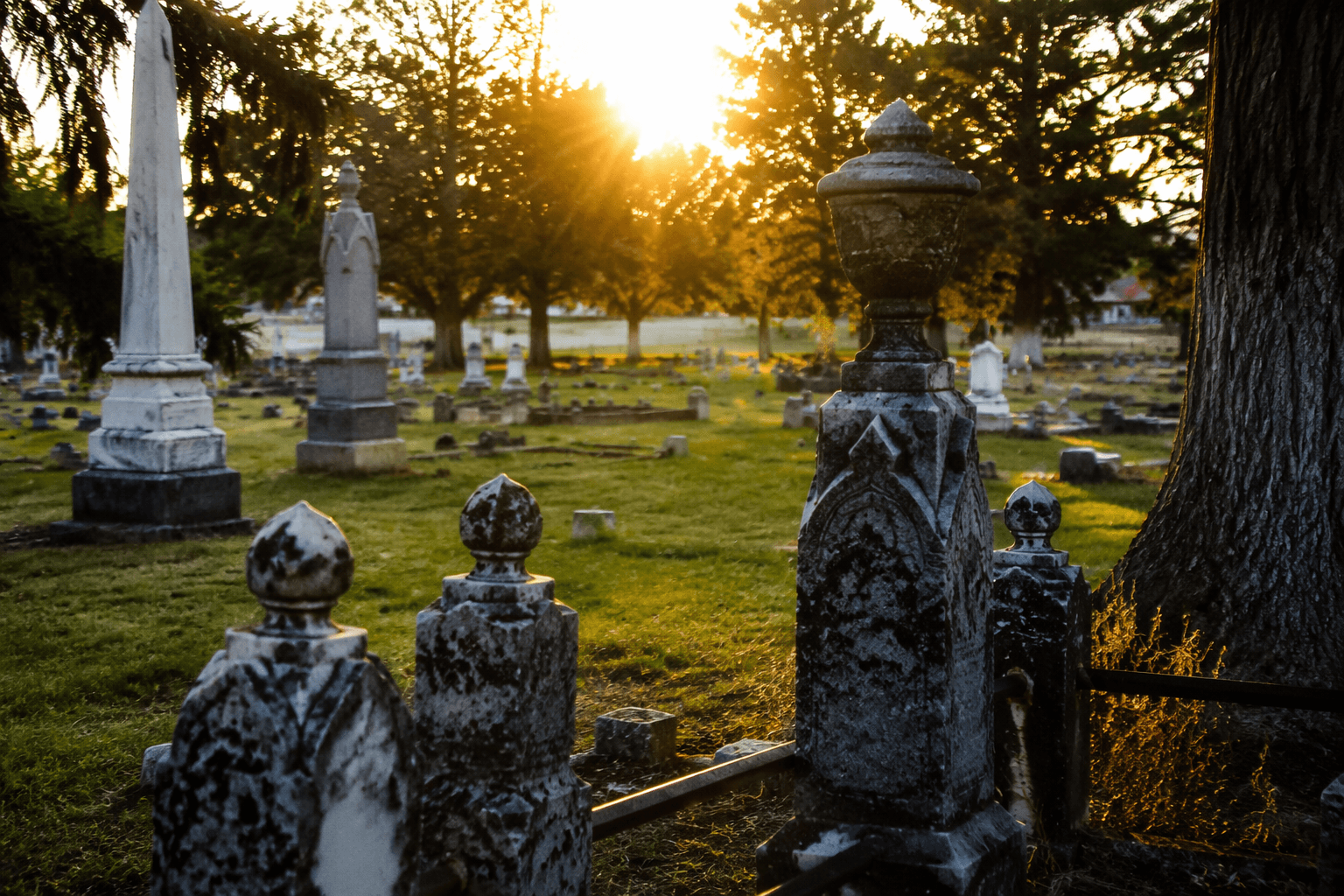
Union’s cemetery is not simply old, it is a monument cemetery, which means the markers, layout and stonework are part of the historical record itself. That gives visitors more than names and dates. It gives them changing memorial styles, carved symbols, family plot arrangements and the kind of visible record that helps descendants, historians and local researchers reconstruct the town’s past.
The cemetery maintenance district encourages visitors to look for important people and colorful characters buried there, and to notice how epitaphs and engravings change over time. That turns a walk through the grounds into a reading exercise as much as a history lesson. For families searching for ancestors, the value is practical: the stones may preserve birth years, death dates, family connections and, in some cases, clues that tie one generation to the next.
Find a Grave lists 3,267 memorial records for Union Cemetery in Union, Oregon. That number does not capture every story on site, but it shows how much genealogical material is already tied to the cemetery and how many individual lives remain accessible through its markers and records.
The chapel is a preservation story in itself
One of the most distinctive features on the grounds is the cemetery chapel. The flyer for the site says it was reportedly built in 1893 as a tool shed, then refurbished in 1997 using timber from the old Union Four Mill and siding from an historic house. According to the same flyer, veterans carried out the refurbishment.
That detail gives the cemetery a tangible example of local preservation in action. Rather than importing new materials and erasing the past, Union reused pieces of its own built environment to create a place of reflection. The chapel’s timber and siding connect the cemetery to the town’s working history, its older houses and the hands that maintained both.
For visitors, the chapel helps the cemetery function as more than a field of markers. It is a structure that shows how Union has repeatedly conserved history by adapting what already existed. That makes the site especially useful for readers interested in architecture, reuse and the practical side of preservation.
A place where public health history still shows up
The cemetery’s interpretive materials reach beyond funerary history and into public health. The flyer notes that published papers from 1909 reported an outbreak of diphtheria in Union. That detail places the cemetery within the lived realities of early 20th-century community health, when infectious disease shaped daily life, mourning and burial practices across Oregon towns.
That kind of historical note is more than a curiosity. It shows how the cemetery can help present-day residents understand the pressures earlier families faced, from epidemic disease to the loss of children and neighbors. In a county where local history is often told through schools, churches and civic buildings, the cemetery adds the quieter record of how illness touched the community and how those losses were remembered.
How to see the site now
The cemetery remains an actively managed place, not a sealed-off relic. The flyer lists its address as 770 E. Fulton St., Union, Oregon 97883, with office hours of 9:00 to 11:00. That makes it accessible for people stopping by to locate a grave, compare family names or study the markers as part of Union’s larger historic landscape.
- family names repeated across adjacent stones
- epitaphs and engravings that reflect different eras
- the chapel, rebuilt from salvaged local materials
- older monument styles that show how memorial tastes changed over time
- markers that help connect Union County families to specific plots and dates
When you visit, the most revealing details are often the simplest ones:
Union’s Victorian Cemetery matters because it still does what a public memory site should do. It helps families trace roots, gives preservationists a place to anchor local history, and keeps Union’s identity visible in stone, timber and names that continue to speak for the town.
This article was produced by Prism’s automated news system from verified source data, official records, and press releases, then run through automated quality and moderation checks before publishing. The system is built and supervised by the people who set the standards it runs under. Read our full AI policy.
Did this article answer your question?