Bucknell professor wins NEH fellowship for Moravian music research
Bucknell music professor Ryan Malone won an NEH fellowship to finish Moravian choral music research, putting Lewisburg at the center of a national humanities grant.

Bucknell University has landed a National Endowment for the Humanities fellowship for music professor Ryan Malone, a grant that will help turn long-overlooked Moravian material into scholarship with public reach far beyond campus. The award, announced May 14, will fund a year of research during the 2026-27 academic year.
Malone’s project centers on Johann Friedrich Peter, the Moravian composer who lived from 1746 to 1813 and worked in Moravian communities in Pennsylvania and North Carolina, including Nazareth, Bethlehem, Lititz and Salem. The fellowship will let Malone complete a critical edition of 18th-century Moravian choral music and begin a monograph on musical life in colonial-era Moravian communities.
That matters because the work is not limited to an academic shelf. A critical edition can shape future performances, help choirs and musicians work from reliable texts, and make the music easier to study and hear again. Malone’s research also draws on Moravian archives tied to a tradition that the Moravian Music Foundation says preserved about 10,000 manuscripts and early imprints of vocal and instrumental music from the 16th through 21st centuries.
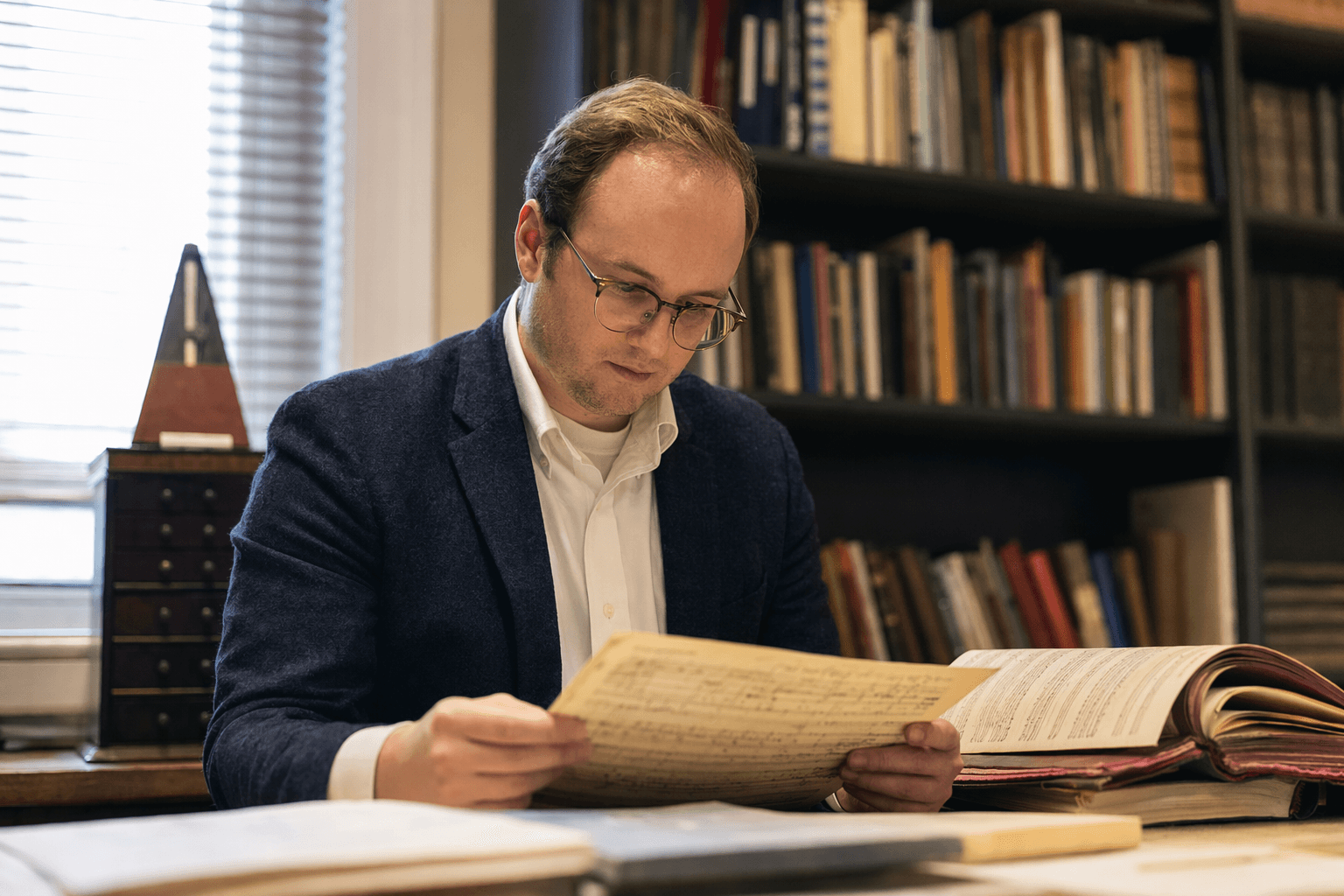
Peter’s story reaches from Heerendyck, Holland, where he was born to German parents, to Barby, Saxony, where he studied theology and copied works by major German composers, and then to Moravian settlements in what is now Pennsylvania and North Carolina. NCpedia identifies him as a musician, composer, teacher and minister, and describes him as one of the most important American Moravian composers.
The NEH fellowship places Malone’s work inside a nationally competitive program that supports books, monographs, peer-reviewed articles, translations, born-digital projects and critical editions. The 2026 competition was limited to American history and culture and Western civilization, underscoring the broader historical significance of the project. NEH fellowship materials also note six- to 12-month periods of performance, with project start dates in the 2027-28 window.
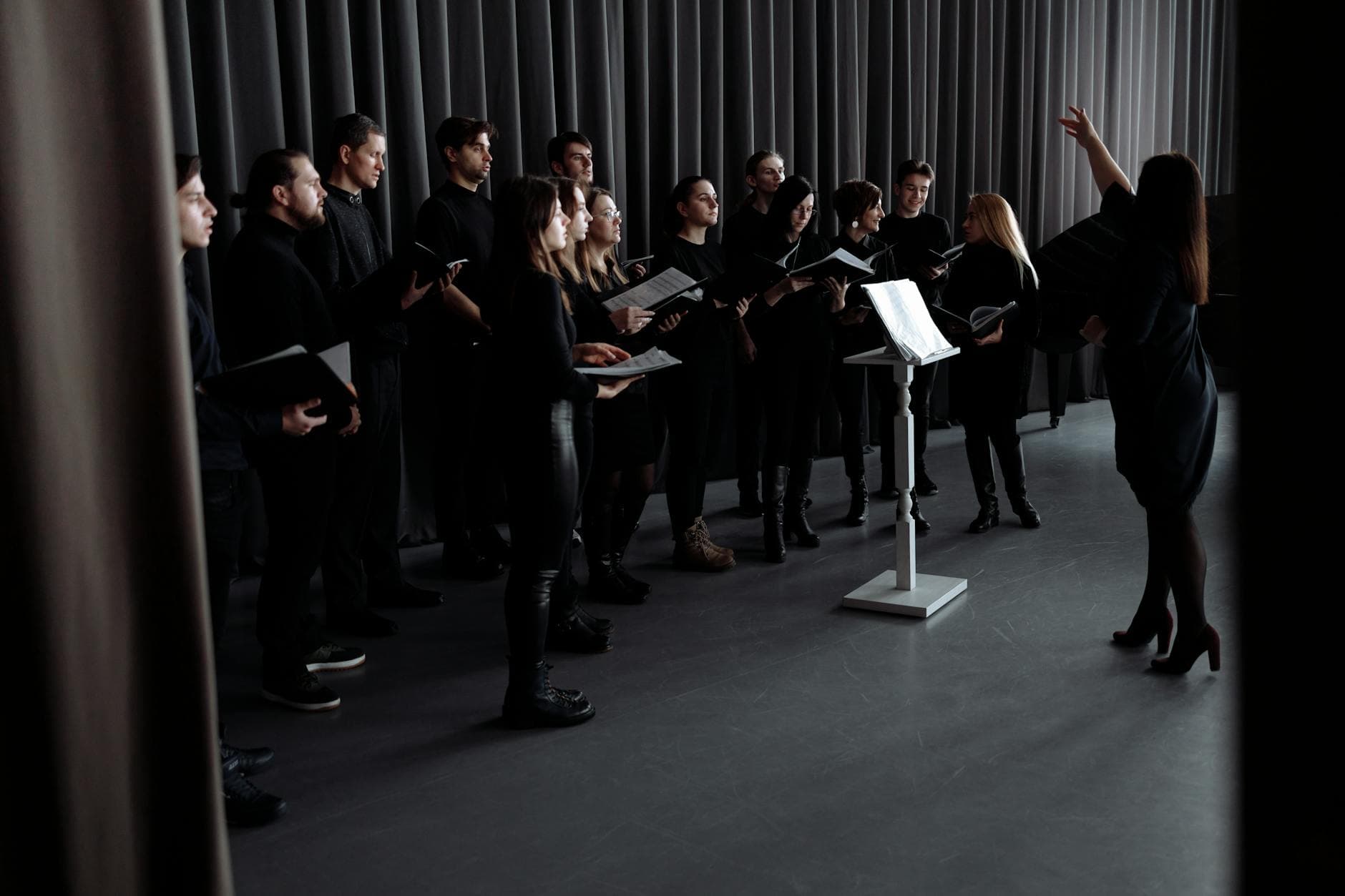
For Lewisburg and Union County, the award is a reminder that Bucknell is not only teaching music history but helping shape it. Malone said the research also informs classroom teaching at Bucknell, where students will see how scholars examine sources, build editions and make performance decisions from materials still being actively studied. That gives the fellowship a local payoff: national humanities money is coming to a Bucknell faculty member, and the work will feed back into student learning, cultural visibility and the region’s standing as a place where serious scholarship is still being made.
Know something we missed? Have a correction or additional information?
Submit a Tip

