Historical society ties Maclay program to America250 in Lewisburg
Bruce Teeple’s free Water Street talk tied William Maclay’s Senate diary to America250, pushing Union County’s founding questions back into the public square.
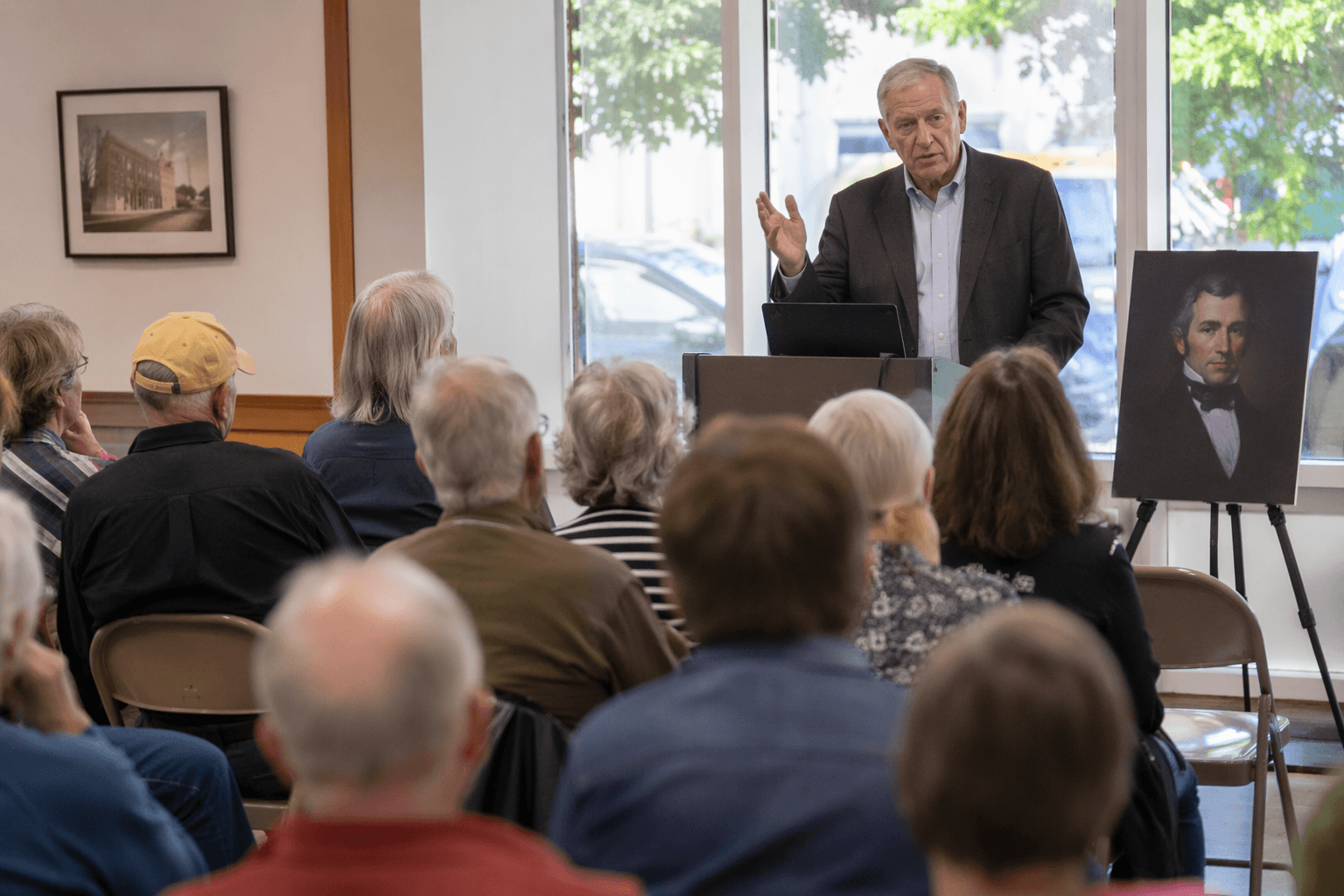
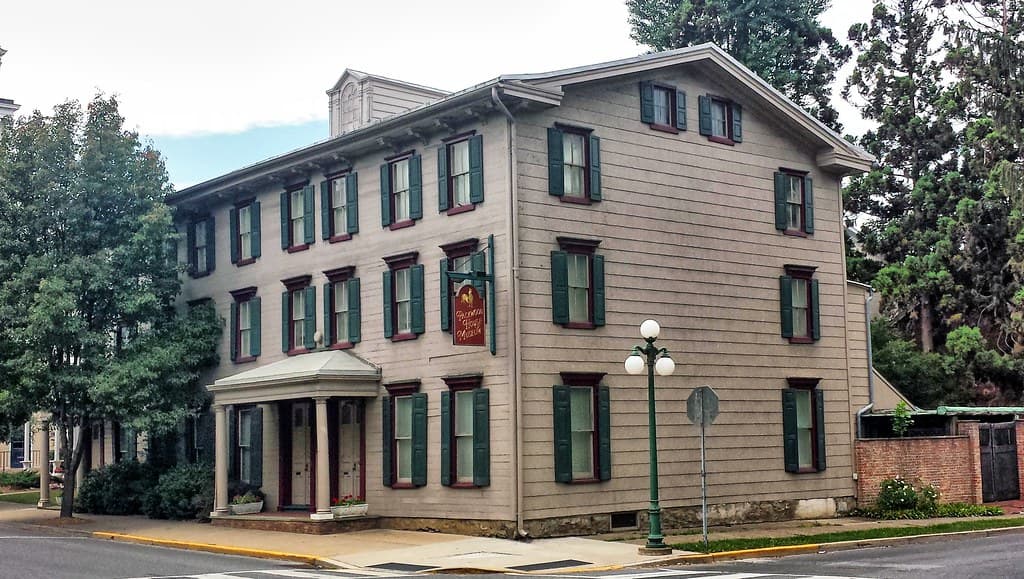
At 15 N. Water St. in Lewisburg, the Union County Historical Society used America250 to turn William Maclay into a modern test of democracy, representation and loyal opposition. Bruce Teeple led the free June 14 program, Independence and Beyond: The Lost Lessons of William Maclay, Apostle of Democracy, with donations welcomed.
The setting mattered as much as the subject. Pennsylvania Historical & Museum Commission launched “Pennsylvania 250: The Keystone of American History” as a statewide, year-long initiative in 2026, and Union County 250 PA has already marked a countywide celebration kickoff in January 2026. That put the Lewisburg program inside a larger public commemoration, not as a stand-alone lecture but as part of how the Susquehanna Valley is being asked to revisit its place in the country’s founding story.
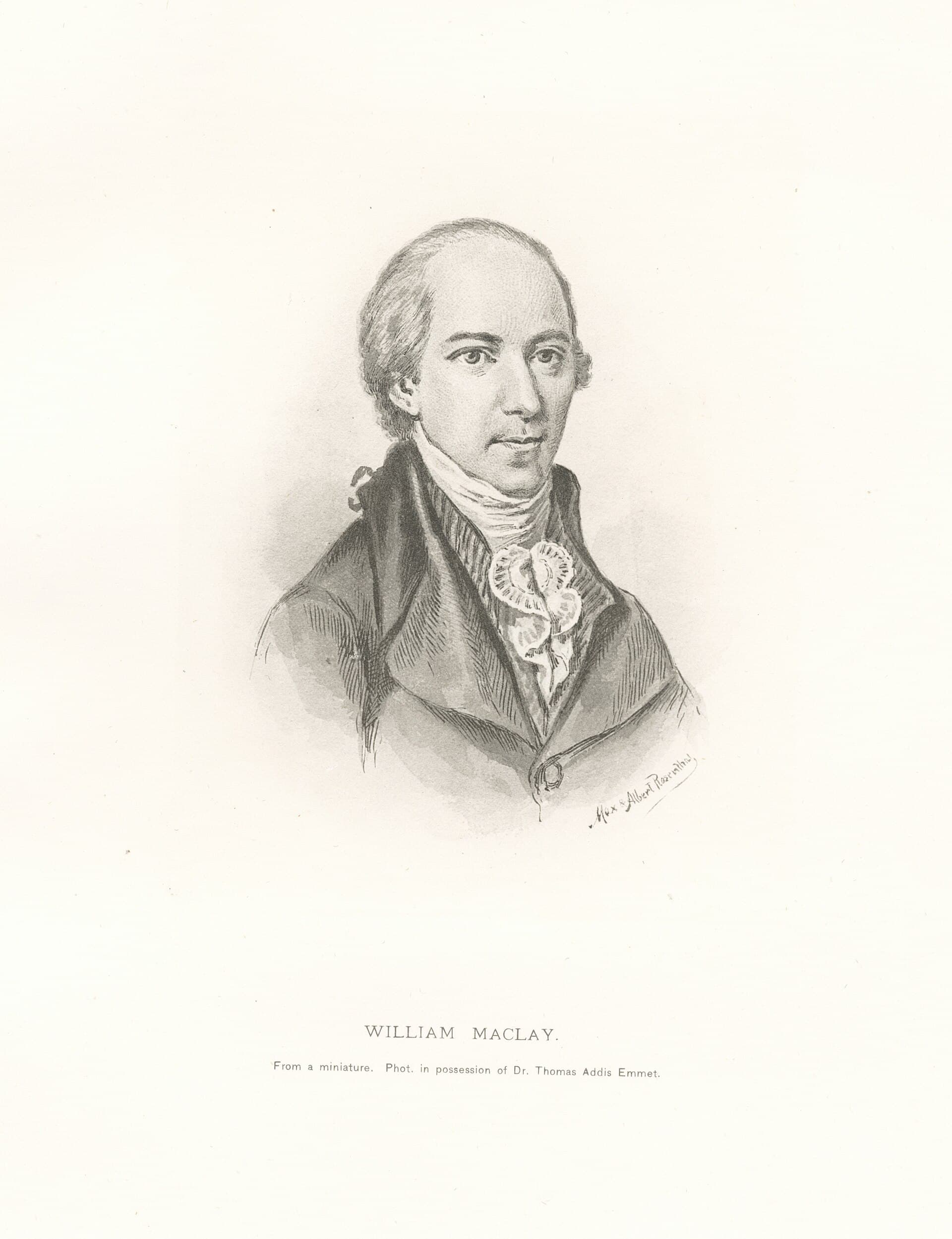
Maclay gave the society a sharp way to do that. He was one of Pennsylvania’s first two U.S. senators, elected by the state legislature on September 30, 1788, alongside Robert Morris, and he served from 1789 to 1791. The U.S. Senate says Maclay became a staunch critic of the Washington administration, and the Senate Historical Office describes his diary as the lone insider account of Senate proceedings during his tenure, when sessions were closed to the public until 1795.
That diary is what makes Maclay more than a Revolutionary-era name. The Library of Congress says he began keeping it within two months of the opening of the first session of Congress, and that it remains one of the few accounts of Senate floor activity in the early Congresses. For a program built around democracy and the meaning of “We the People,” those details sharpen the point: the earliest federal government was already wrestling with public access, opposition and how policy should serve the greatest number of citizens.
The historical society framed the talk as a chance to recover lessons that still matter in 2026, while also reinforcing its role on Water Street as a place for public learning. The society, which is based at the Union County Courthouse in Lewisburg, says it maintains a research library and collections that include genealogical resources, history publications and a microfilm newspaper archive.
That combination of research, interpretation and public programming is what gave the Maclay event its local weight. In a year when Union County is marking America250, the society’s message was clear: the founding debates were not just national history, but civic arguments that still speak to how Union County understands representation, government and the responsibilities of citizenship.
This article was produced by Prism’s automated news system from verified source data, official records, and press releases, then run through automated quality and moderation checks before publishing. The system is built and supervised by the people who set the standards it runs under. Read our full AI policy.
Did this article answer your question?