Lewisburg approves 2026 budget, holds 14.4 mills steady, raises refuse fees
Lewisburg Borough Council approved the final 2026 budget, keeping the millage at 14.4 mills while raising residential refuse fees to $66 per quarter.

Lewisburg Borough Council unanimously approved the final 2026 borough budget at its Jan. 20 public meeting, holding the borough-wide millage rate steady at 14.4 mills while adopting higher refuse collection charges. The vote locks in the borough’s tax rate and funds for municipal services as officials move into the new fiscal year.
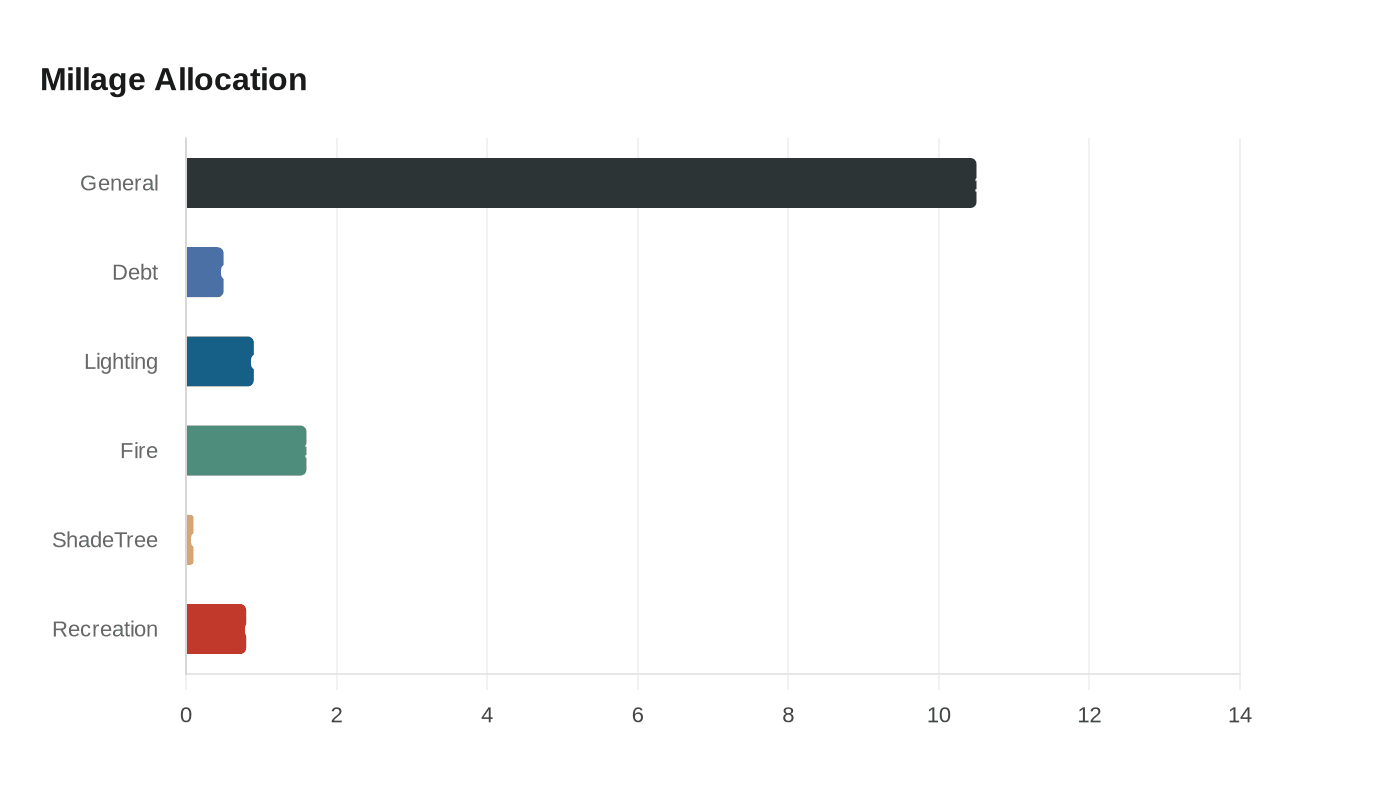
The 14.4 mills are allocated across multiple funds: 10.5 mills for the general fund, 0.5 mills for debt service, 0.9 mills for lighting, 1.6 mills for fire protection, 0.1 mills for the shade tree fund, and 0.8 mills for the regional recreational fund. At 14.4 mills, property owners will pay $14.40 in borough tax for each $1,000 of assessed value; for example, a property assessed at $100,000 would carry $1,440 in borough taxes before county, school, or other local levies.
The adopted general fund budget for 2026 is $4,321,010, an increase from the prior year, reflecting higher projected operating costs and the borough’s ongoing service commitments. The budget increase funds routine municipal operations and the specific funds noted in the millage breakdown, including public lighting and fire protection, which are visible line items for many neighborhoods.
Alongside the budget, council approved a resolution raising residential refuse collection charges from $63 to $66 per quarter. That change adds $3 per quarter, or $12 per year, to an average residential household’s waste bill. The resolution also includes modest rate increases for commercial refuse collection; council material described those as smaller, incremental changes without publishing detailed commercial tiers at the meeting.
Council members discussed several operational matters in the same session, including the rollout of new parking meters and clarifications to parking permit rules. Those items could affect downtown parking patterns and permit holders when implementation details and timelines are released by borough staff.
Keeping the millage steady provides predictability for property taxpayers even as the borough absorbs higher expenses through an expanded general fund. However, the refuse fee increase means households will see a modest uptick in quarterly bills. Residents who receive borough tax statements or quarterly refuse invoices should review new charges this year and contact borough offices for billing questions.
Next steps include implementation of the adopted budget and continued administrative work on meter rollouts and permit clarifications. Council oversight will shape how those operational changes are phased in and how the additional refuse revenue is deployed for collection services.
This article was produced by Prism’s automated news system from verified source data, official records, and press releases, then run through automated quality and moderation checks before publishing. The system is built and supervised by the people who set the standards it runs under. Read our full AI policy.
Did this article answer your question?