Mifflinburg outlines utility payment options, defends local electric ownership
Mifflinburg residents can pay utility bills six ways, and the borough says local electric ownership still helps control rates, outages, and service decisions.
How to pay a Mifflinburg utility bill
Mifflinburg Borough is giving residents a clear billing playbook: pay at the borough office with cash, check, or money order, drop a payment in the locked lobby box, mail it in, pay online by credit card, or sign up for auto-deduction from a bank account. The auto-deduction runs on or around the 15th of each month, which gives households a predictable date to plan around when cash flow is tight.
The borough also makes one important limitation plain. Its current billing software does not support a formal budget payment plan, but customers can still pay ahead on their accounts to smooth out higher seasonal bills. That matters for households that feel the pinch most during cold snaps or summer usage spikes, when electric bills can jump before many families are ready for them.
Mifflinburg’s approach is designed to keep the process local and flexible rather than locked into one payment channel. The borough’s message is simple: stay current, use the option that fits your household, and lean on advance payments if you want to avoid a bigger surprise later in the year.
What residents need to know about deadlines, charges, and relief
The borough’s rate structure is not static. On December 17, 2024, Mifflinburg Borough Council adopted Resolution No. 2024-23, amending electric rates and setting a residential customer charge of $7.47, along with tiered energy charges. For customers, that means the bill is shaped by both a fixed monthly charge and how much electricity is used.
The borough has also shown it can respond when weather drives bills higher than normal. On March 19, 2026, the borough announced written payment arrangements of up to three months for electric bills affected by February’s cold-weather usage and said all March 2026 penalties would be waived. That kind of targeted relief suggests the borough is willing to deal with short-term strain instead of forcing every customer into the same rigid timetable.
For residents, the practical takeaway is straightforward: if a cold spell or seasonal spike pushes a bill beyond what you can handle immediately, Mifflinburg has already used payment arrangements and penalty waivers as a local tool. The borough is not presenting the electric bill as a one-size-fits-all demand; it is treating it as a public service issue that can require some discretion.
Why the borough defends local electric ownership
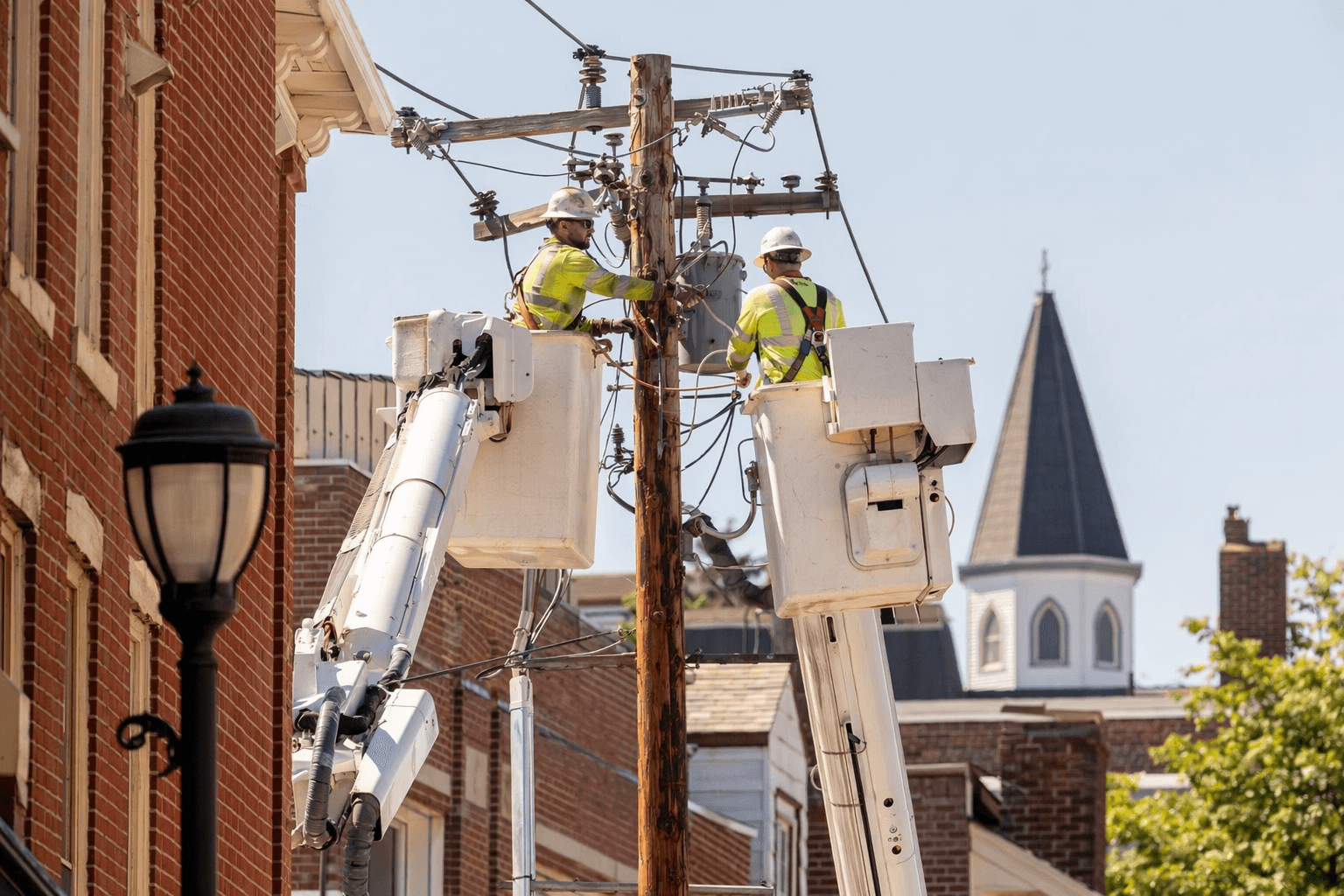
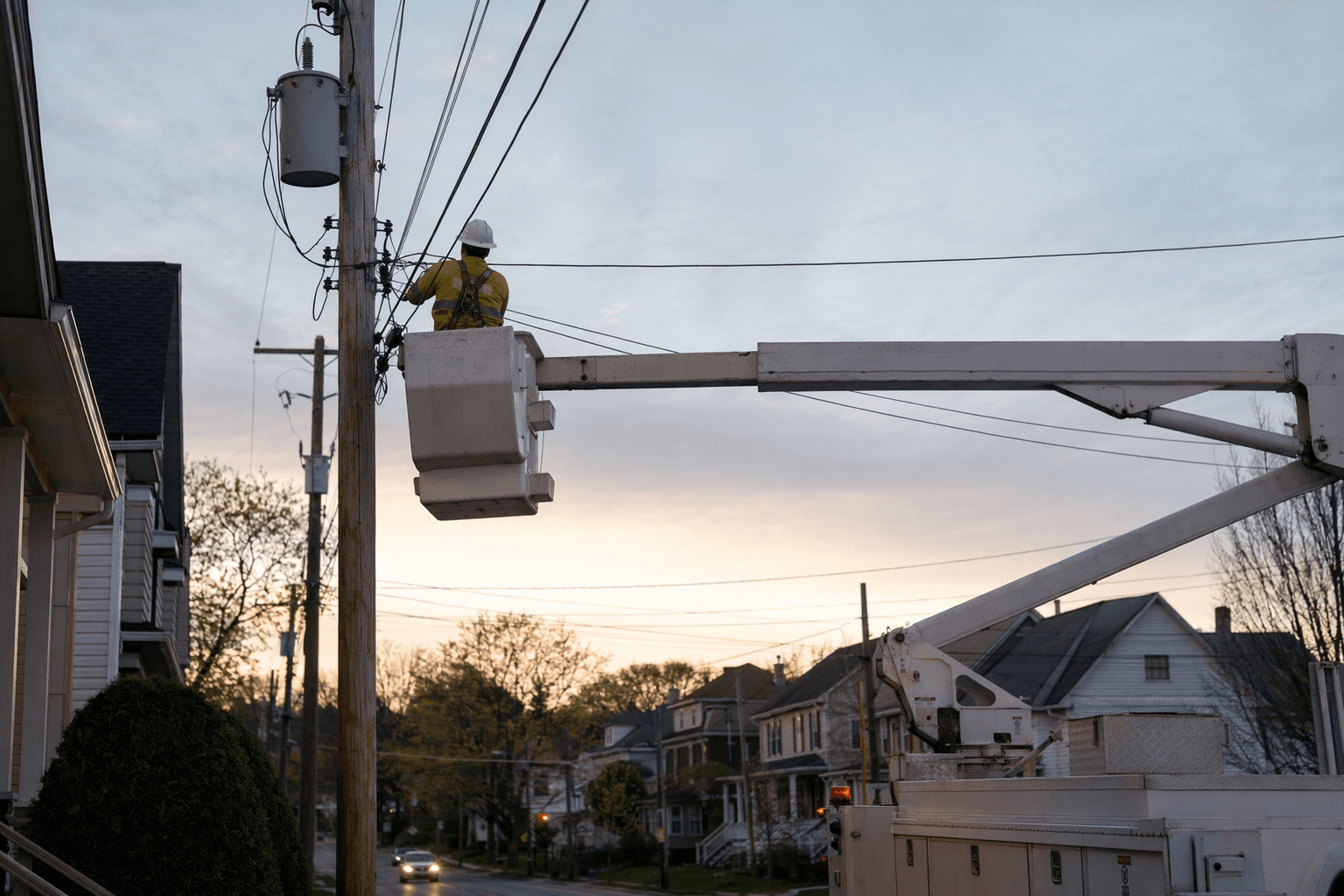
Mifflinburg says its electric system is a community asset, not just a utility line item. The borough says local ownership gives elected officials direct control over decisions, keeps service tied to the community rather than outside shareholders, and allows for quicker responses to outages. In plain terms, the borough is arguing that when something goes wrong, the people making the call are closer to the problem and accountable to the same voters who receive the bill.
That local-control argument matters in a borough of Mifflinburg’s size. The borough says it is one of only 35 municipalities in Pennsylvania that provide electric service, which makes its system unusual even by municipal standards. The borough also says utility revenue helps support municipal services, and that it currently does not impose a real estate tax. For residents, that means the electric system is not just delivering power; it is also part of how the borough funds local government.
The policy choice is bigger than nostalgia. Mifflinburg is telling residents that the utility is a central piece of municipal finance, customer service, and emergency response. When a borough owns the system, it can make decisions with those tradeoffs in mind rather than deferring to a distant utility board or private shareholders.
A utility with deep local roots
The borough says its electric service dates to 1902, when it began using power from a hydraulic plant near Millmont. Electric meters were installed in September 1907, and in 1931 the borough built a new substation and began purchasing power from Pennsylvania Power and Light Company. Those milestones show that Mifflinburg’s electric system is not a recent experiment; it is a long-running part of the borough’s public infrastructure.
Today, Mifflinburg says it still purchases power on behalf of residents through American Municipal Power, or AMP, in Ohio. AMP describes itself as a nonprofit wholesale power and services provider for more than 130 public power communities serving more than 665,000 customers across nine states, and says it was founded in 1971 by municipally owned electric systems looking for stronger buying power, transmission access, and advocacy. For Mifflinburg, that arrangement is part of the balance between local control and regional power markets.
The borough has also been careful to note that some factors remain tied to the larger regional grid. Even with local ownership, electricity still moves through a broader system, which means prices and reliability are affected by forces beyond Union County. The borough’s pitch is not that it can control everything; it is that it can control enough to protect customers better than if the system were run entirely from somewhere else.
How regulation works, and why that matters
Another reason Mifflinburg’s utility is different is regulatory oversight. The Pennsylvania Public Utility Commission says municipal utilities owned and operated by cities, boroughs, or townships are generally not regulated by the Commission. That means many of the system’s policies and costs are set locally, by borough officials rather than by state regulators.
For residents, that structure has real consequences. If rates change, if payment arrangements are offered, or if the borough changes how it manages the system, the decisions are made much closer to home. The upside is flexibility and faster response; the downside is that residents have to watch borough actions closely because the decisions are made in local public meetings and ordinances, not by a distant statewide utility process.
That is why Mifflinburg’s electric system is more than a technical service. It is a governance model. The borough is using its news page to explain bills, reassure customers, and defend a public utility structure that it says still works for a small community. In Mifflinburg, the electric bill is also a monthly reminder that local government is still directly in the business of keeping the lights on.
This article was produced by Prism’s automated news system from verified source data, official records, and press releases, then run through automated quality and moderation checks before publishing. The system is built and supervised by the people who set the standards it runs under. Read our full AI policy.
Did this article answer your question?