Lewisburg Native American reflects on Susquehanna River history and advocacy
Sid Jamieson’s Susquehanna story shows Lewisburg residents a river shaped by Indigenous stewardship, Bucknell history, and a fight for federal recognition.

Lewisburg’s stretch of the Susquehanna River looks familiar to many residents, but Sid Jamieson’s story changes what that familiarity means. In WITF’s Susquehanna Stories episode “Meet Native American Sid Jamieson,” the river is not just scenery or recreation. It is a place of Native memory, public recognition, and local responsibility.
A Lewisburg voice in a bigger river story
Jamieson is identified as a Native American member of the Cayuga Nation of the Iroquois Confederacy, and the episode brings him in from Lewisburg, where he spent his career coaching lacrosse at Bucknell University. That local detail matters because it places Union County inside a much wider Susquehanna history, one shaped by Indigenous presence long before modern river trails, heritage campaigns, or campus markers.
The episode’s framing also shifts the river from a backdrop to a subject. Jamieson’s perspective links Native history to a waterway that many people in Lewisburg encounter daily, whether they are crossing a bridge, watching the current, or using the river for outdoor access. The point is not nostalgia. It is that a place residents see all the time carries a deeper history that still shapes how the region understands itself.
From the Bucknell sidelines to federal recognition
Jamieson’s Bucknell tenure gives the story its strongest local anchor. Bucknell histories place him at the university beginning in 1964, starting the varsity men’s lacrosse program in 1968, coaching for 38 years, and retiring in 2005. One Bucknell profile identifies him as the only Native American head coach in NCAA Division I lacrosse history, a distinction that made him a rare and visible figure in the sport as well as in Lewisburg.
His river work reached beyond athletics. Multiple sources say Jamieson was instrumental in helping the Susquehanna River earn National Park Service recognition as a National Historic Water Trail. That recognition matters because it turns the river into a documented corridor of national significance, not only a local landmark. It also underscores a theme that runs through the episode: Native stewardship and public history are not separate from how the river is protected, interpreted, and passed on.
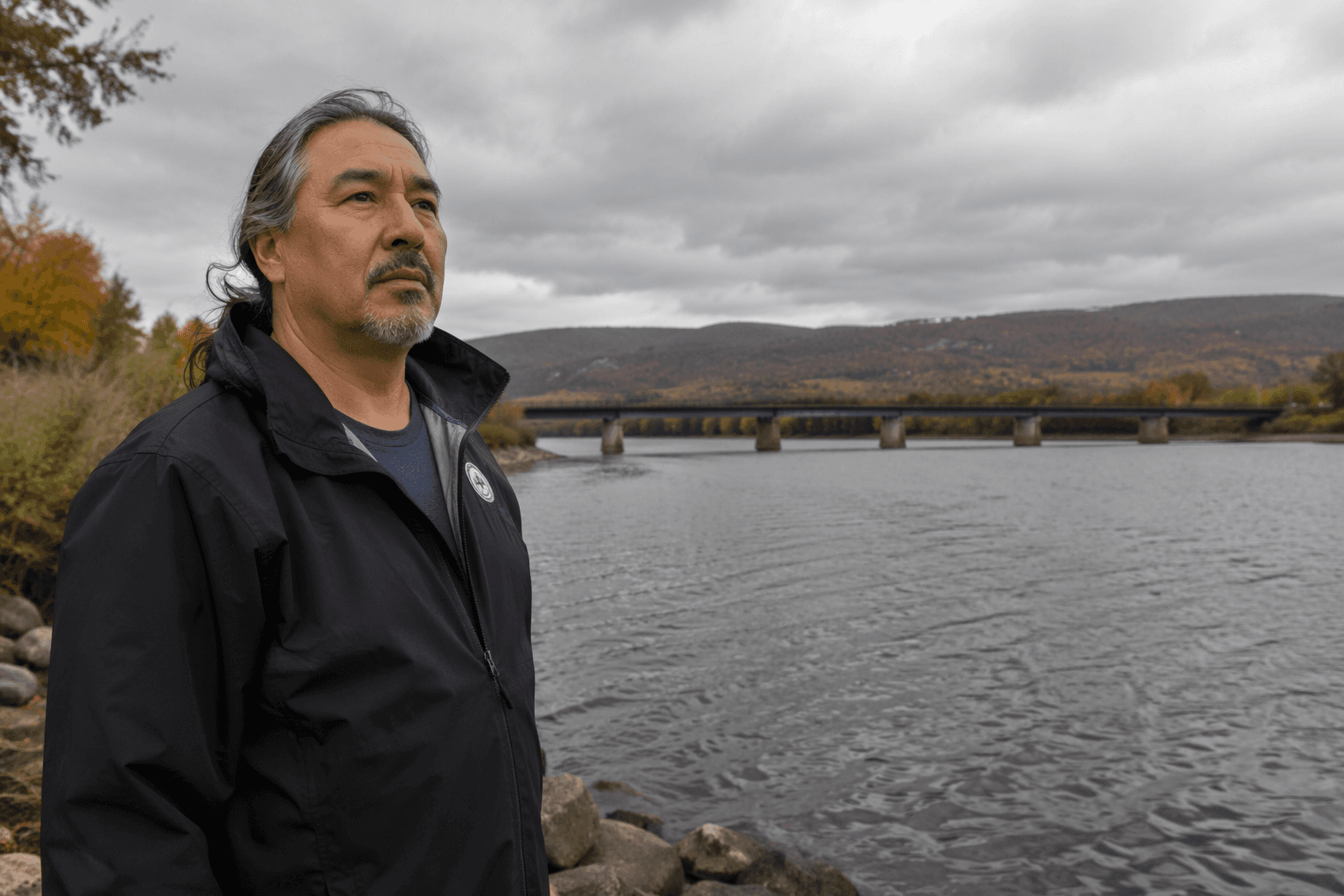
For Union County, that makes Jamieson’s role more than ceremonial. A longtime local coach helped shape how a national park system understood the river, and that is the kind of civic influence that changes what a community thinks it knows about place.
What Lewisburg institutions can carry forward
The strongest local example in the record is Bucknell itself. A 2025 campus project described a Native American reflection space that grew out of Jamieson’s vision and involved university sustainability and Native American working groups, along with the Stories of the Susquehanna Valley project. That is a concrete sign that his influence did not stop with lacrosse or with a single river designation.
That kind of work offers a model for Union County schools, museums, and river programming. If those institutions take the history seriously, the Susquehanna stops being taught only as a landscape of water, weather, and recreation. It becomes a place where Indigenous history, environmental care, and local identity overlap, and where public programming can show that the river’s story did not begin with the modern county line.
The difference is practical. A school lesson, museum exhibit, or river event that centers Jamieson’s perspective would give students and visitors a clearer sense of who shaped this corridor, who fought for its recognition, and why stewardship is part of cultural memory. That shift would also make local heritage more accurate, because it would present the river as something lived with, not merely looked at.
The wider Susquehanna corridor behind the Lewisburg story
The Lewisburg episode sits inside a larger regional effort to define the Susquehanna as heritage, not just geography. The Susquehanna National Heritage Area was designated by Congress in early 2019 as America’s 55th National Heritage Area, and the National Park Service says it includes Lancaster and York counties in south-central Pennsylvania. The Susquehanna Heritage organization says the region had earlier been Pennsylvania’s tenth state heritage area in 2001, after more than a decade of advocacy.
That broader context helps explain why Jamieson’s story has weight beyond Union County. The river has been the subject of conservation, tourism, and public history work for years, but the Lewisburg angle makes the message personal and local. It shows that heritage designations are not abstract federal labels. They depend on people, including Native people, who connect memory to place and push institutions to tell the full story.
WITF’s earlier reporting on the Conestoga Susquehannock people also adds important context for understanding the river valley as Indigenous territory across present-day Pennsylvania, New York, and Maryland. Put together, these pieces make the Susquehanna feel less like a boundary between towns and more like a living record of who has been here, who has been left out, and who is still shaping the public story.
What changes when Native perspectives are centered
Centering Jamieson changes the meaning of everyday river life in Lewisburg. It asks residents to see the Susquehanna not only as a route for paddling, a backdrop for campus life, or a feature of Union County’s scenery, but as a place tied to Native history and advocacy. That perspective can deepen public understanding without diminishing the river’s present-day value.
It also creates a higher standard for civic institutions. Bucknell has already moved in that direction with the Native American reflection space tied to Jamieson’s vision. Schools, museums, and river groups in Union County can build on that example by treating Indigenous history as part of the main story, not a sidebar. In a county shaped by the river, that is the difference between remembering a place and actually understanding it.
This article was produced by Prism’s automated news system from verified source data, official records, and press releases, then run through automated quality and moderation checks before publishing. The system is built and supervised by the people who set the standards it runs under. Read our full AI policy.
Did this article answer your question?