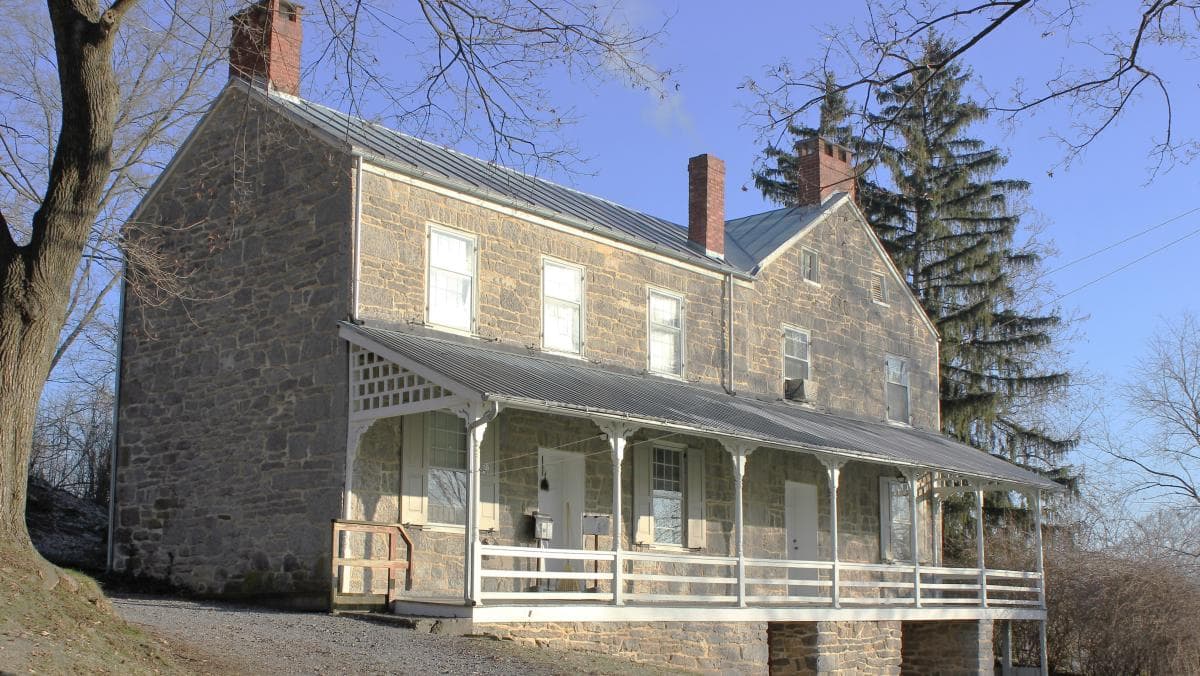
Lewisburg’s historic downtown showcases 646 buildings and rich heritage
Lewisburg packs 646 historic buildings, murals, and civic life into a walkable downtown that still anchors Union County’s economy and identity.
Lewisburg’s downtown works because it is more than a preserved streetscape. The borough’s historic core places 646 buildings from 1773 to 1910 within an easy on-foot circuit, while Market Street, Cherry Alley, and the surrounding blocks still function as the county seat’s commercial and civic center. That mix of daily use, architecture, and public art gives this small town a heritage footprint far larger than its 5,158 residents would suggest.
Begin on Market Street
Start on Market Street, where Lewisburg’s story is written in the blocks themselves. The borough traces the town to 1769, when it was first laid out, then renamed from Derrstown in 1812 and incorporated as a borough in 1822. The commercial corridor later benefited from the Lewisburg Cut canal, which connected the town to the west branch of the Pennsylvania Canal in 1834, and that transportation link helped turn a river town into a regional center.
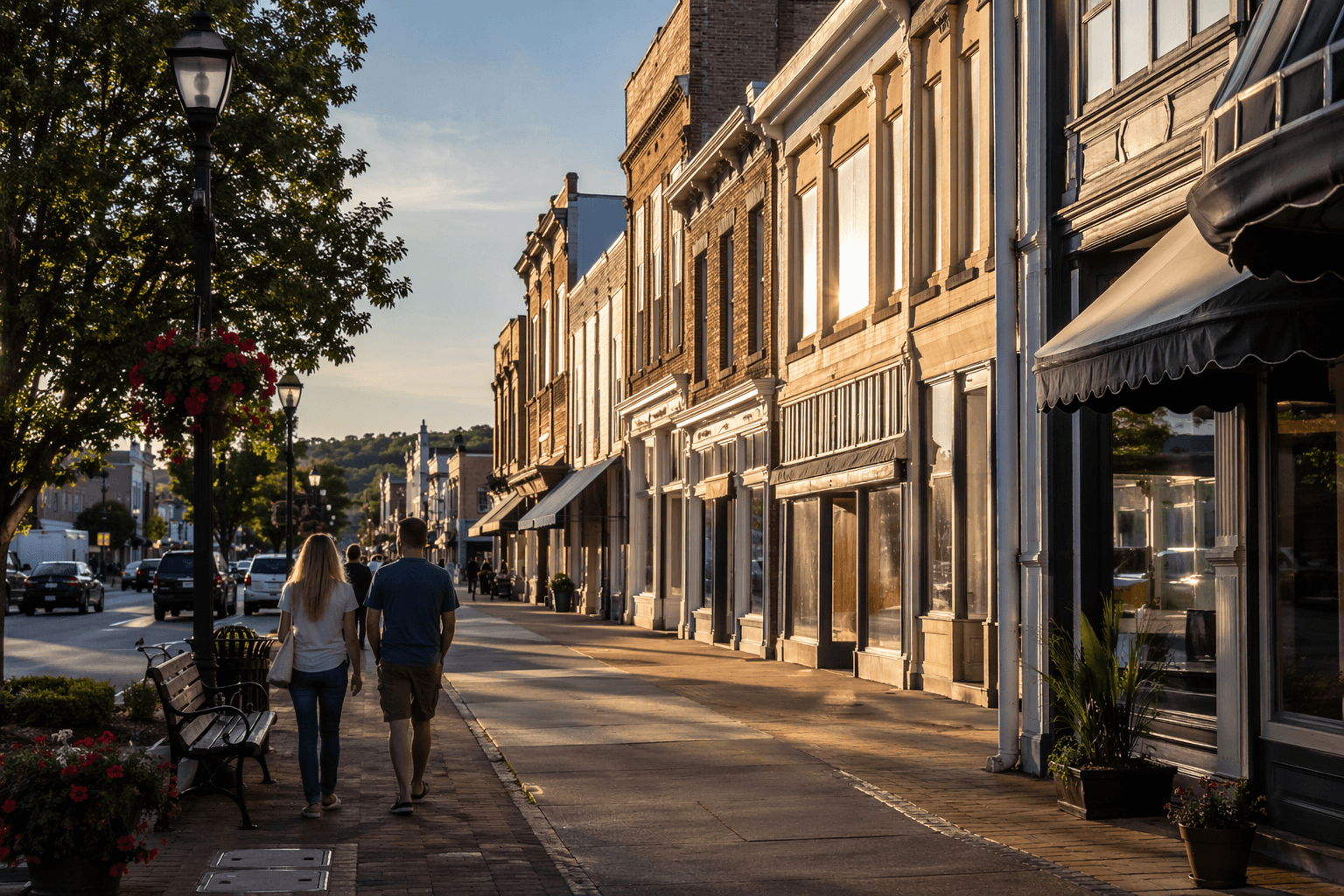
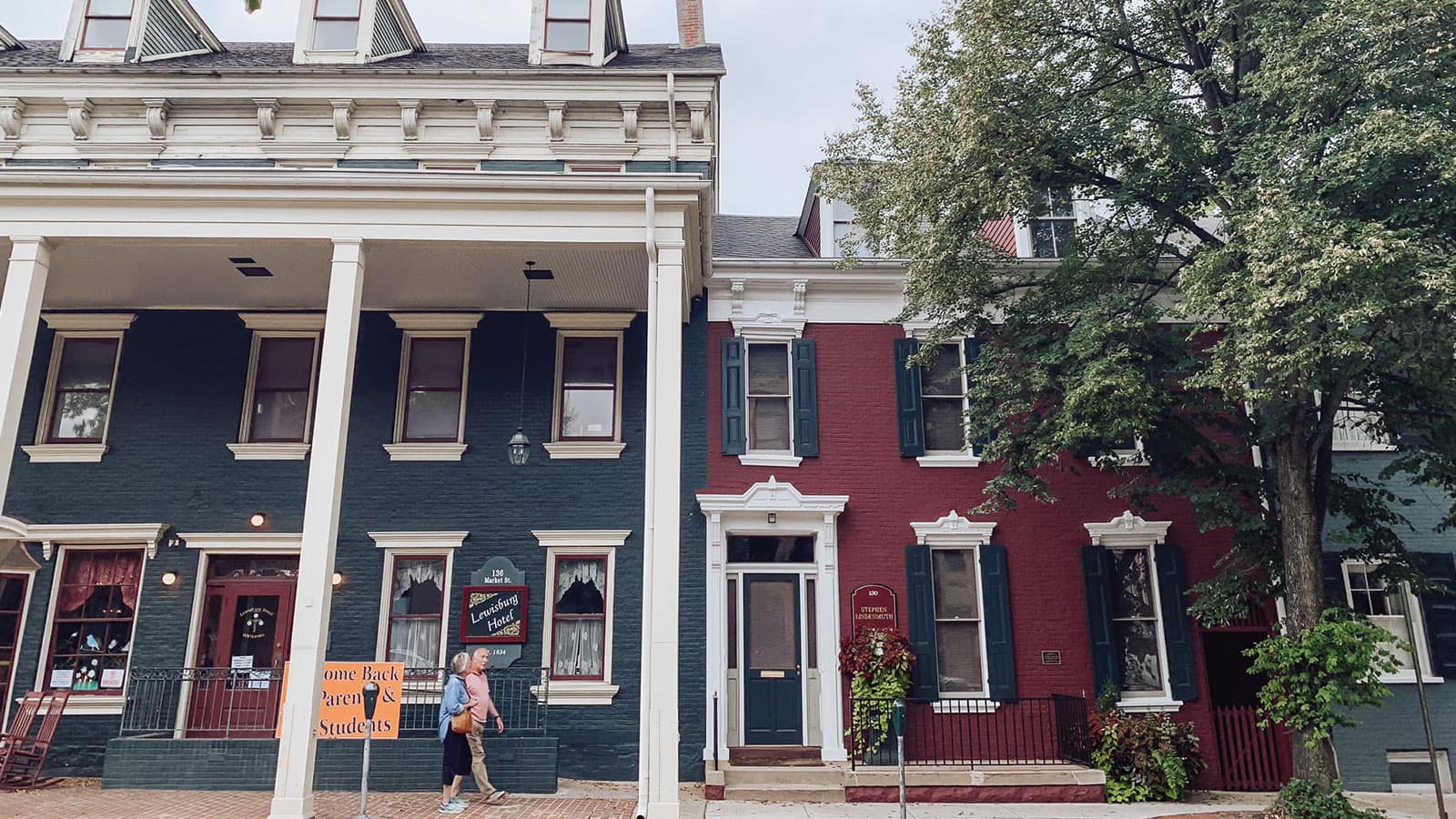
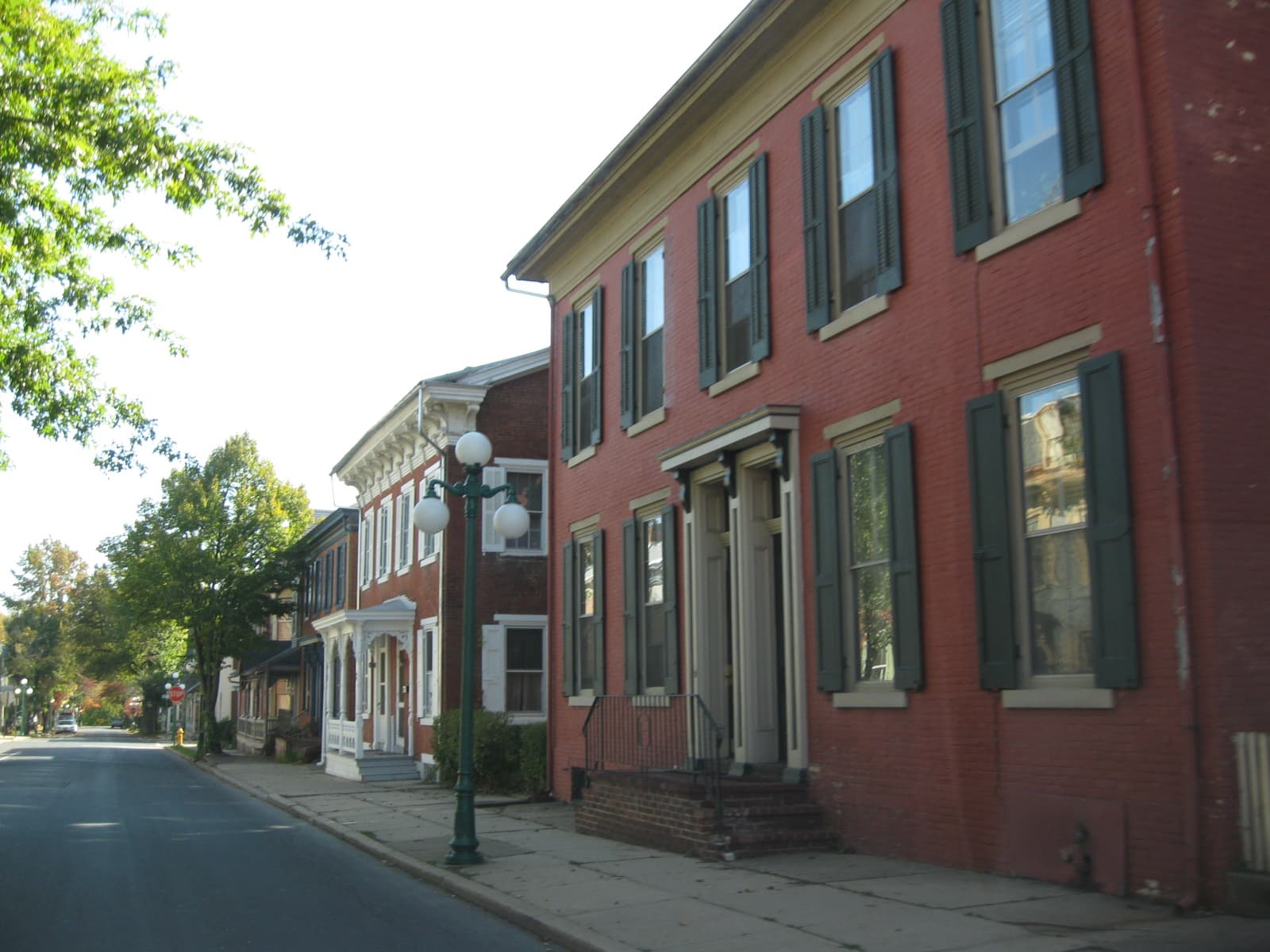
The street still carries that layered history in plain view. SAH Archipedia describes Market Street as a Victorian boulevard lined with trees and triglobed lampposts, the kind of design that makes the street as pleasant to walk as it is to trade on. The buildings around it reflect a long arc of development, with Federal, Georgian, Greek Revival, Italianate, Gothic, Queen Anne, Colonial Revival, Tuscan Villa, and English Manor styles all represented in the historic district.
What sets Lewisburg apart from other small-town main streets in the region is that this is not just a compact downtown facade. The Lewisburg Historic District was added to the National Register of Historic Places in 2004, and the district is significant for architecture, commerce, education, and government. Roughly bounded by US 15, Beck Street, the Susquehanna River, and the borough boundary, it places the borough’s working center inside a protected historic frame.
A downtown shaped by education and civic power
Lewisburg’s downtown is tied directly to Bucknell University, founded in 1846 as the University at Lewisburg. That connection matters because the university helped shape the town’s architecture and civic life, not just its student population. In a borough of just over 5,000 people, the presence of a major institution gives the downtown a steady rhythm of business, events, and foot traffic that many similarly sized towns do not have.
The borough also remains the county seat and commercial center of Union County, which makes the downtown more than a place to browse. Government, commerce, and social life overlap here, and that is part of why preservation has remained so central. Lewisburg’s historic district includes 646 buildings constructed over more than a century, a density that makes the town one of the best-preserved 19th-century communities in the nation according to the borough.
That preservation did not happen in a vacuum. The town endured major floods in 1865, 1889, 1936, and 1972, yet its nineteenth-century architecture survived well enough to define the streetscape today. The result is a downtown where continuity is visible in brick, cornice lines, and block patterns rather than in museum exhibits.
Make time for the mural stops
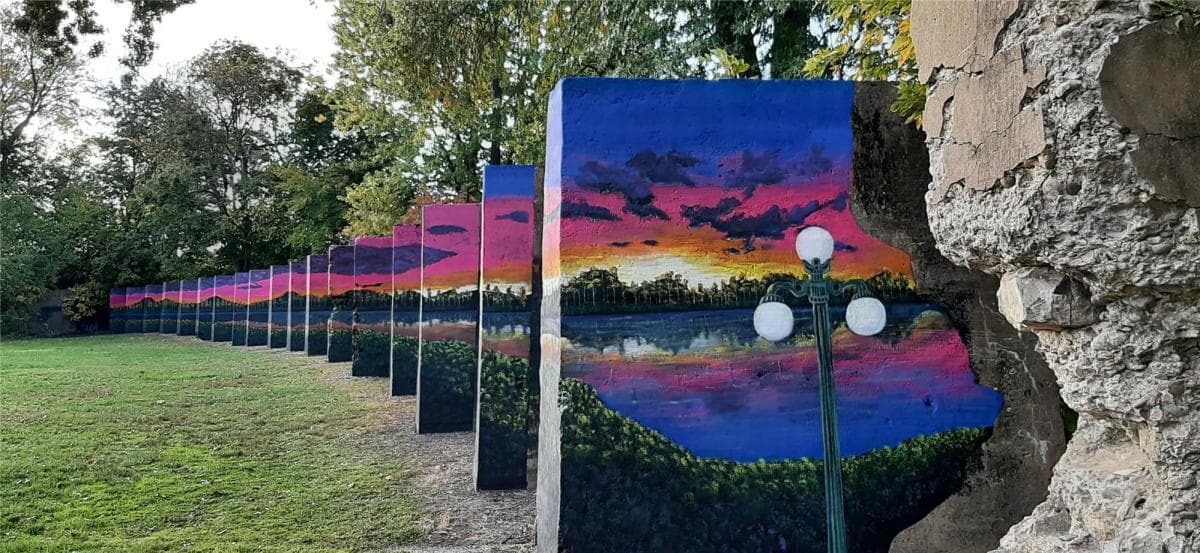
Lewisburg’s modern layer is easiest to see on the mural route, which adds public art to a district already rich in historic structure. One of the most distinctive stops is Piers Art Park on Cherry Alley, where 18 concrete piers, remnants of 1920s coal trestles, have been repurposed as a public art space. That reuse gives the alley a story that is both industrial and creative, a good example of how Lewisburg turns old infrastructure into civic space.
From there, the walk continues through other art stops that keep the downtown from feeling frozen in time. Modern Art Alley on Cherry Alley, murals at the Donald Heiter Community Center, artwork inside the restored Campus Theatre on Market Street, murals at Sculptures Studio and The Brasserie Fine Dining, and another on White Pine Alley all add color to the historic core. These are not separate attractions stranded from downtown life; they are embedded in the same streets where people shop, eat, and meet.
That combination matters for visitors and residents alike. The borough’s architecture, the university’s presence, and the alley-level art network all reinforce the same walkable footprint, so a short stroll can move from nineteenth-century commercial blocks to contemporary murals without leaving the center of town.
End at the Campus Theatre
The Campus Theatre is the clearest example of Lewisburg’s ability to preserve a landmark and keep it active. It opened on January 17, 1941, was designed by architect David Supowitz, and was built by the Stiefel Brothers. The theater is one of the few remaining single-screen Art Deco movie houses in the country, which makes it a rare piece of American cinema history as well as a downtown anchor.
A major restoration in 2011, described as a six-month, $2.5 million renovation, brought the building back into use and strengthened its place on Market Street. For a downtown guide, it is hard to find a better final stop because the building captures the larger Lewisburg pattern: old structures are not simply preserved here, they are kept active in the middle of everyday civic life.
Taken together, the Lewisburg Historic District, the canal history, Bucknell’s long influence, and the mural corridor explain why this downtown feels different from other small-town main streets. It is compact enough to walk in an afternoon, but dense enough to show how commerce, education, government, transportation, and preservation still operate in the same few blocks.
This article was produced by Prism’s automated news system from verified source data, official records, and press releases, then run through automated quality and moderation checks before publishing. The system is built and supervised by the people who set the standards it runs under. Read our full AI policy.
Know something we missed? Have a correction or additional information?
Submit a Tip