Mifflinburg borough posts July calendar, holiday closures and meeting dates
Mifflinburg's July calendar puts holiday closures, recycling shifts and three public meetings on the same month. Residents can act July 3, 7, 18, 20 and 21.
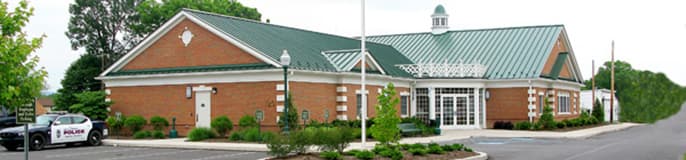
Mifflinburg Borough’s July calendar is more than a list of dates. It tells residents exactly when borough services pause for the Independence Day holiday, when recycling resumes, and when local decisions move through council and commission meetings at 120 N. Third Street. In a borough of about 3,600 in the Susquehanna River Valley on Route 45 between State College and Lewisburg, those small schedule changes can shape how the whole month runs.
Holiday closures and the service reset after July 4
The first date that matters is Friday, July 3, 2026, when the Borough Office will be closed in observance of Independence Day. Normal business hours resume Monday, July 6, so anyone with borough business, permit questions, or service issues needs to plan around that long weekend.
The borough also cancelled July 4 recycling and brush drop-off because of the holiday. That change was spelled out in a May 21 notice, which tied the cancellation directly to Independence Day and set the next collection dates in motion. Recycling resumes Saturday, July 18, 2026, and brush drop-off resumes Saturday, August 1, 2026.
The recycling center itself is at 6 Industrial Park Road, at the west end of the borough. That location matters because it anchors the borough’s summer service schedule, especially for households that rely on Saturday drop-off windows. Mifflinburg says the recycling center is open on the first and third Saturdays of each month from 8:00 a.m. to 11:00 a.m., which explains why July 18 is the next available collection day after the holiday break.
What residents can do on July 7
The borough’s July work session is set for Tuesday, July 7, 2026, at 6:00 p.m. in the Borough Building, 120 N. 3rd Street. Work sessions are where borough councils often sort through administrative issues, review policy questions, and frame items before formal votes. That makes them an important part of the local process even when no final action is scheduled.
For residents, the practical value of a work session is simple: it is often the first place to see which issues may come back to council for a decision later in the month. In a small borough, that can affect everything from streets and services to how quickly a topic advances through the municipal agenda.
Recycling on July 18 and the summer holiday effect
Recycling returns on Saturday, July 18, 2026, from 8:00 a.m. to 11:00 a.m. on the borough calendar. That date gives households a clear next step after the July 4 cancellation, and it keeps the borough’s Saturday collection rhythm intact for the second half of the month.
The timing also reflects the way holiday weeks ripple through municipal operations. A single holiday closure can push back both recycling and brush disposal, which is why the borough paired the July 4 cancellation with the August 1 restart for brush drop-off. For residents who plan yard work, cleanup, or summer projects around the borough’s collection schedule, those dates are the difference between getting material to the center on time and waiting another two weeks.
July 20: Shade Tree Commission meeting at the borough office
The Shade Tree Commission meets Sunday, July 20, 2026, from 7:00 p.m. to 9:00 p.m. at the Borough Office, 120 N. Third Street. The commission’s work may not draw the same attention as council votes, but it often shapes the look and function of borough streets over time. Tree care, canopy management, and public rights-of-way can all become street-level issues after they move through this type of meeting.
Mifflinburg says Shade Tree Commission members serve five-year terms. That longer appointment structure reflects the ongoing nature of the work, since tree maintenance and plantings are not one-time decisions but part of the borough’s landscape management from season to season. The July meeting gives residents a clear chance to see how those responsibilities are handled before changes become visible along sidewalks, curb lines, and public corridors.
July 21: Planning Commission first, then Borough Council
Monday, July 21, 2026, is the month’s busiest public-government day. The Planning Commission meets first, from 4:30 p.m. to 6:00 p.m. at the Borough Office, 120 N. Third Street. Borough Council follows at 6:00 p.m. in the Borough Building at the same address.
That sequence matters. The planning meeting is where land use and development questions can first surface, and in a borough the size of Mifflinburg those questions can affect building changes, neighborhood character, and how public spaces are used. The council meeting that follows is where those issues can move closer to action, making July 21 the key evening for anyone tracking borough decisions on growth, land use, or local operations.
The borough identifies its Planning Commission members as serving four-year terms. The current roster listed by the borough includes chair Donald H. Bowman, vice chair David C. Holman, Drew W. Christy, Benjaman M. Dietrich, David Iddings, and Jeffrey L. Mensch. Those names matter because planning questions are not abstract in a small municipality; they are handled by a defined local board with a fixed term structure and a specific agenda.
Why this month’s calendar matters
Mifflinburg’s July schedule shows how quickly civic life shifts between service operations and public decision-making. The borough office closes for the holiday, recycling pauses and restarts on a fixed Saturday schedule, and three separate public meetings provide the monthly route for administrative review, land-use discussion, and council business.
For a community of about 3,600, that calendar is a practical map of when government is open, when residents need to adjust household routines, and when local business is most likely to touch streets, trees, property questions, and summer service needs. July’s dates do not just mark time in Mifflinburg; they set the pace for how the borough works.
This article was produced by Prism’s automated news system from verified source data, official records, and press releases, then run through automated quality and moderation checks before publishing. The system is built and supervised by the people who set the standards it runs under. Read our full AI policy.
Did this article answer your question?