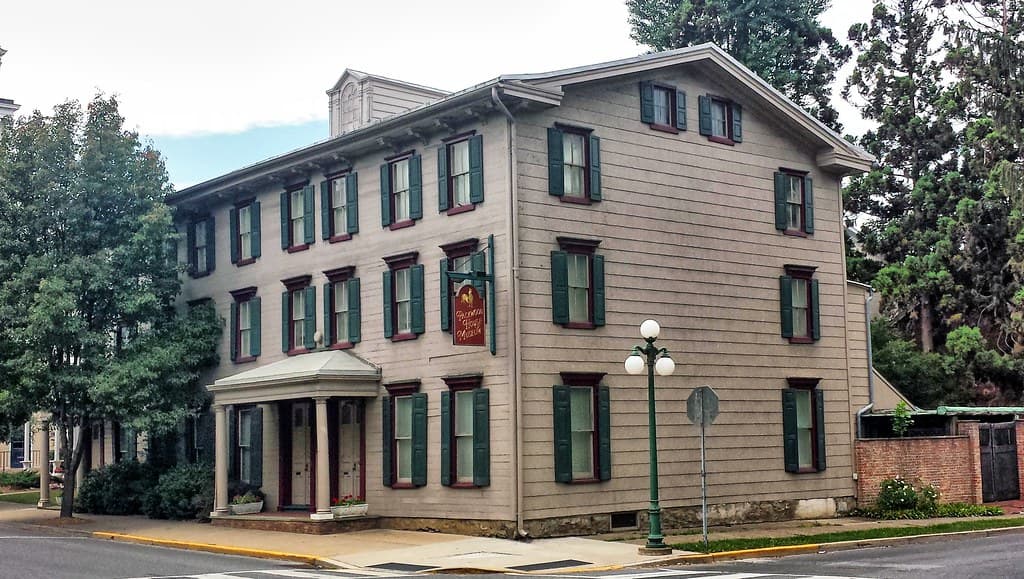
Mifflinburg garden tour highlights local push for pollinator habitat
A Mifflinburg yard tour showed how Culver’s root, Joe Pye-weed and white coneflower can turn a small lot into habitat for bees, butterflies and birds.
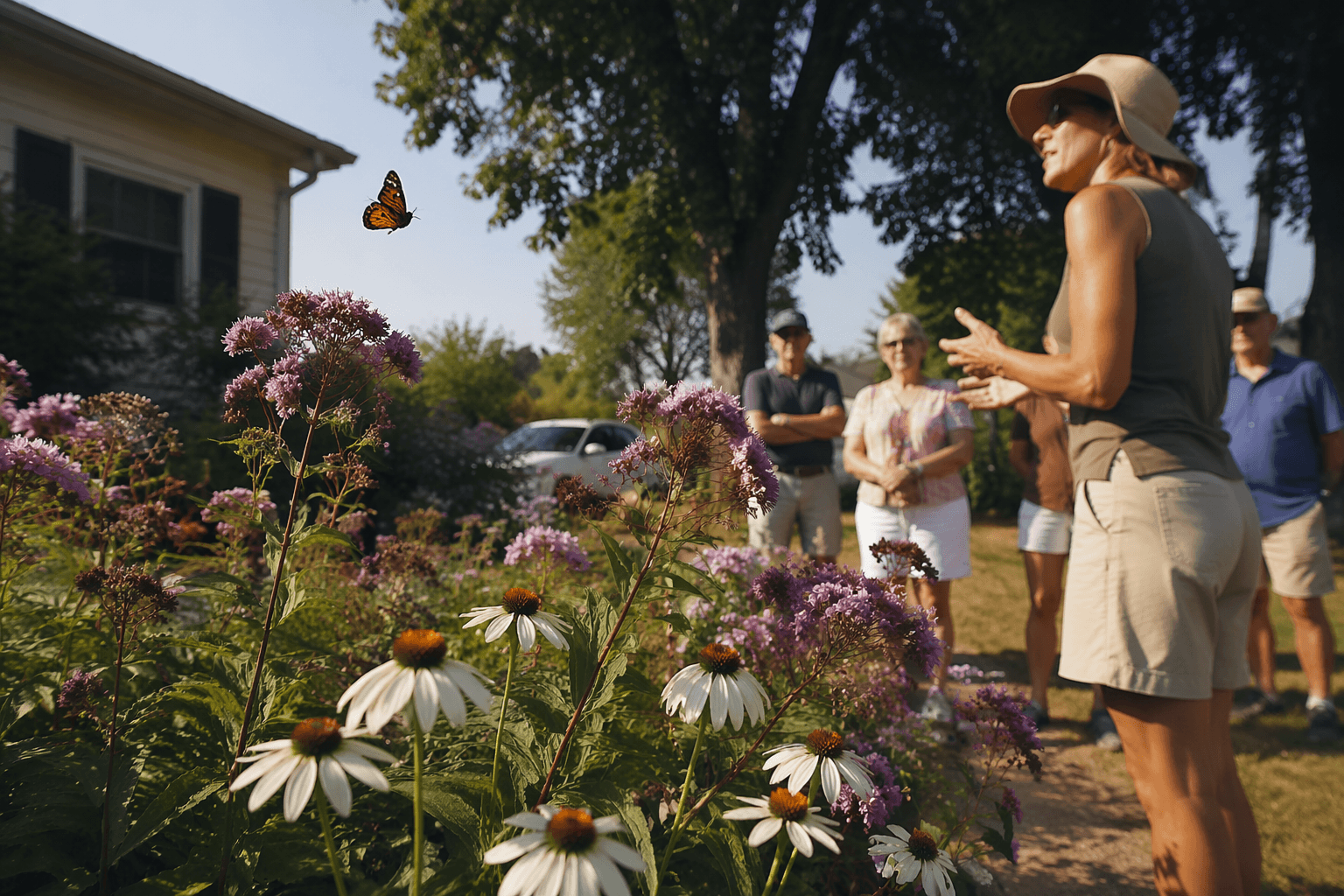
A Mifflinburg front yard became a hands-on lesson in how much pollinator habitat a neighborhood plot can hold. Lisa Podlesny and Kelly Brown spent a Saturday afternoon walking through Lori Weaver’s garden at 202 Hillside Drive, where native plantings were arranged to draw bees, butterflies, hummingbirds and moths while showing neighbors what a smaller-scale conservation effort can look like in Union County.
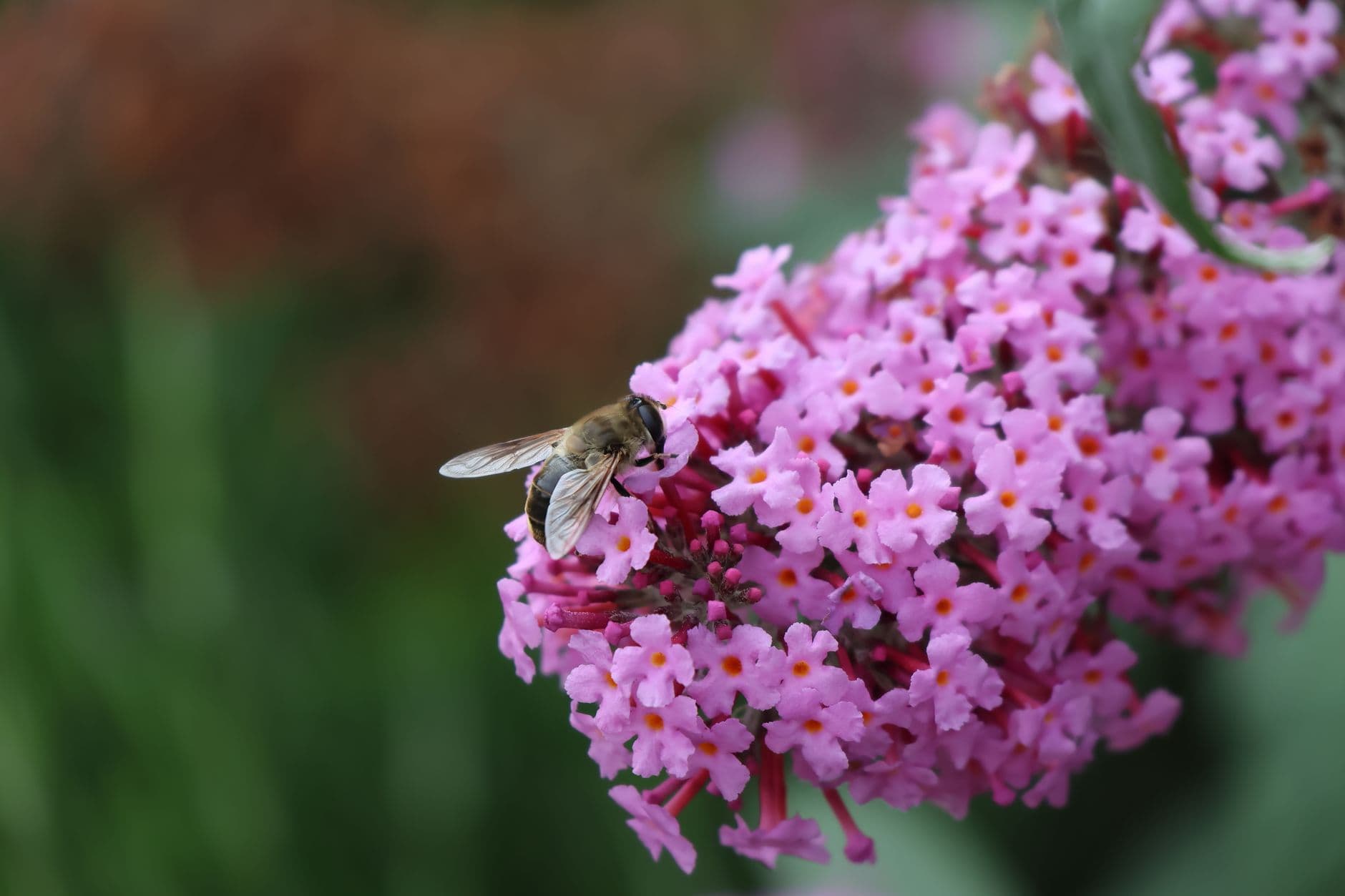
Weaver’s yard featured Culver’s root, Joe Pye-weed, beardtongues and white coneflower, all selected for the kind of nutrition and shelter pollinators need. The tour was meant to do more than showcase landscaping. It was also a public push for For the Earth, the environmental community action club Weaver co-founded with Jeanette Musser, which is trying to turn one garden into a broader habit of native planting, educational events, workshops and book clubs.
That message fit squarely with the Pollinator Pathway model, which describes its approach as public and private pesticide-free corridors of native plants. The idea is practical for homeowners, renters, schools and churches alike: even flower boxes and curb strips can help, as long as the plantings are connected closely enough for native bees to reach them. Pollinator Pathway says many native bees travel about 750 meters, making linked habitat more useful than isolated patches.
The stakes reach far beyond one borough yard. The U.S. Environmental Protection Agency says pollinator populations have declined in the United States and internationally. The U.S. Fish and Wildlife Service says many bees and other pollinators have suffered large drops in numbers for more than 25 years, and the U.S. Department of Agriculture says more than 100 crops grown in the United States depend on pollination. A March 2025 NatureServe study found 22.6% of assessed native North American pollinator species were at elevated risk of extinction, underscoring why even small plantings are being framed as part of a larger conservation response.
The Mifflinburg event was billed by the borough calendar as a Pollinator Pathway Experience, and it tied local action to a wider Pennsylvania network already at work. Penn State’s Center for Pollinator Research offers research and public education resources, Penn State Extension has promoted pollinator-friendly garden certification and wild bee conservation, and PennDOT has its own Pollinator Habitat Plan with naturalized gardens and meadows at designated sites.
For Union County, the lesson from Weaver’s garden was direct: a front yard can double as a teaching tool, a habitat corridor and a visible sign that conservation can start on a small piece of ground.
This article was produced by Prism’s automated news system from verified source data, official records, and press releases, then run through automated quality and moderation checks before publishing. The system is built and supervised by the people who set the standards it runs under. Read our full AI policy.
Did this article answer your question?