New Berlin's old courthouse still anchors Union County history
New Berlin’s courthouse square still functions as a living civic center, where the post office, museum and broad Market Street keep the county-seat era visible every day.
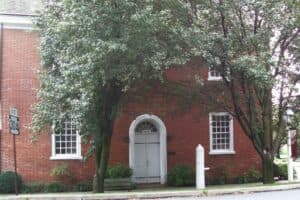
New Berlin still looks like a place built to do county business, not just remember it. On the southern edge of Union County, along Penns Creek and inside a borough of 801 people, the old courthouse square still holds the public face of town: the post office, the museum, and the streets that once carried judges, merchants, travelers and local officials.
A square that still works
The most revealing thing about New Berlin is that its history has never been sealed off from daily life. The old Union County Courthouse still stands at the town square, and the building now houses the New Berlin Post Office and the Courthouse Museum, so the place that once anchored county government still serves a public purpose. That reuse matters because it keeps the square active rather than ornamental, and it gives visitors a direct view of how the borough’s civic core has survived into the present.
The building’s National Register of Historic Places listing adds another layer, but the local experience is what stands out first. You do not have to look hard to see that this was once the center of motion in town. The courthouse still sits where the borough’s public life concentrated, and New Berlin Borough’s own municipal pages show that civic functions remain nearby, with borough council meetings at the New Berlin Community Center on Vine Street and the Municipal Authority meeting at 710 Water Street.
How the county-seat era shaped the town
New Berlin’s layout makes sense once you know it was once the county seat. The borough community guide says New Berlin was settled in 1792, and it notes that Market Street was wide for a reason: government business brought hotels, traffic and even a train station at the east end of town. That detail helps explain why the street still feels broader than a typical small-town main street, and why the square remains legible as a place built around movement, lodging and public business.
The county-seat timeline is just as important. Union County was created on March 22, 1813, from part of Northumberland County. Mifflinburg was the first county seat, New Berlin held that role from 1815 to 1855, and Lewisburg has been the county seat since 1855. Lewisburg itself was laid out in 1785 and named for Ludwig Derr, which shows how county gravity shifted from one borough to another as the region developed.
The deeper backdrop reaches into the Buffalo Valley before county lines were fixed. The Pennsylvania Historical and Museum Commission says European settlers appeared there in 1750, and the area was raided during the French and Indian War. Union County’s name, the commission notes, is an allusion to the Federal Union. Those facts place New Berlin inside a longer story of frontier settlement, county formation and political identity rather than as an isolated historic district.
What to look for on Market and Vine
The quickest way to understand New Berlin is to walk Market Street toward Vine Street and read the street as a civic map. The courthouse sits at the corner of Market and Vine Streets, and the museum occupies the second floor of the original courthouse building at 400 Market Street. The wide street, the corner placement and the square all reflect a town designed around public traffic, not just residential use.
The borough guide’s note about the east end train station and the old hotel district helps explain why the block still feels layered. Market Street was not simply a route through town; it was where people came to do county business, stay overnight and move goods or information. That same street pattern still gives New Berlin a different rhythm from a purely residential borough, because the historic layout remains visible in how the square opens and how the streets meet it.
Inside the courthouse museum
The New Berlin Heritage Museum is one of the clearest places to see the borough’s memory in use. Maintained by the New Berlin Heritage Association, the museum preserves artifacts, photos and print materials from many generations, and its collection includes Native American artifacts, antiques, newspapers, books, long rifles, ancestry records, cemetery records and crafts. Those materials make the museum more than a display room. They connect public history, family history and local identity in one place.
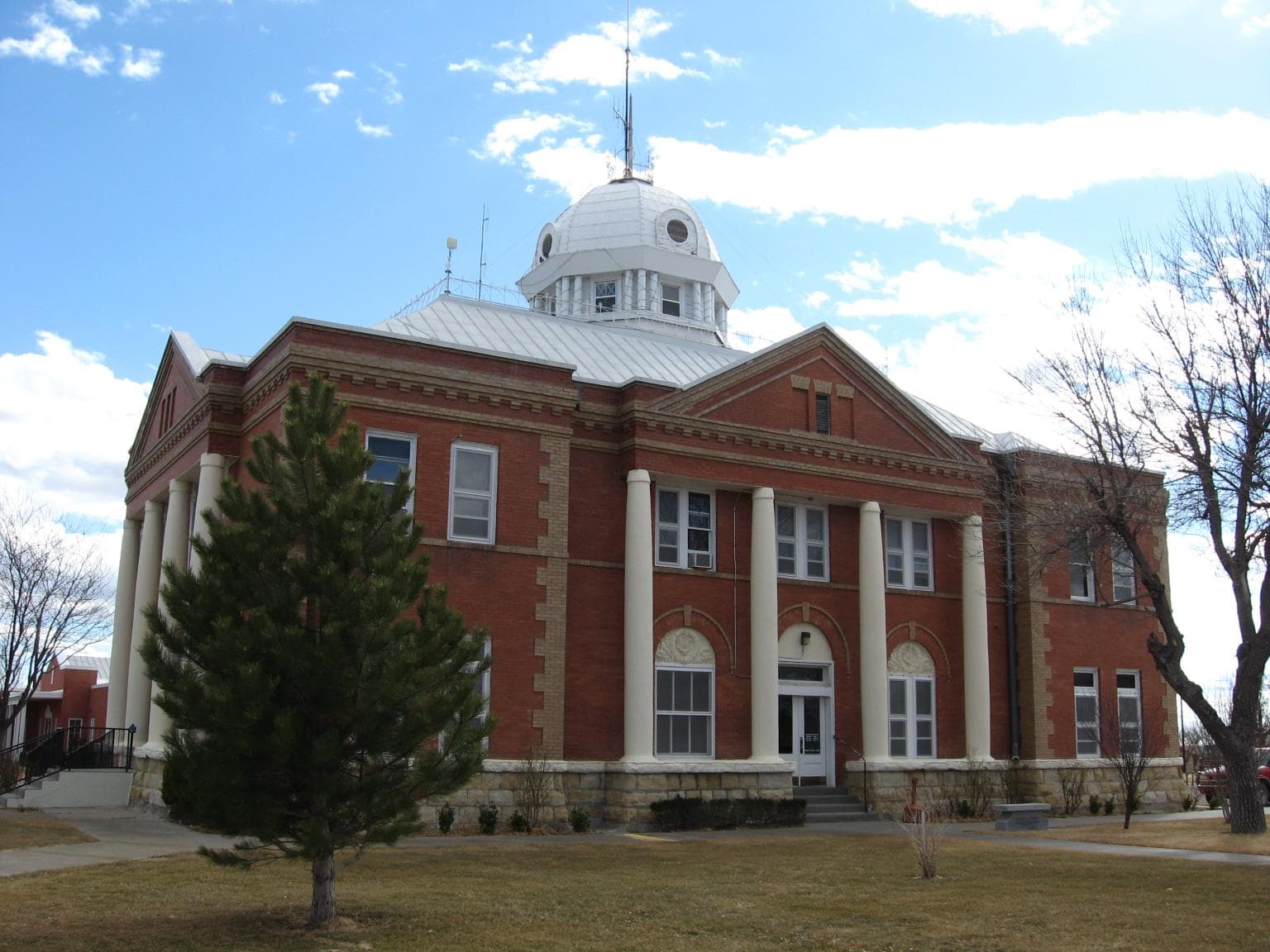
Visit Central PA notes that the museum is open one Sunday a month from May through October and on New Berlin Day, the fourth Saturday of August. New Berlin Borough also identifies the museum as one of the town’s active civic landmarks today. Because the museum sits inside the old courthouse rather than apart from it, the building still does the work of gathering people and records that county government once did in a different form.
Why New Berlin still feels different
New Berlin’s old county-seat layout still shapes the way the borough is experienced today. The courthouse square remains a landmark, but it is also part of the working town, with the post office in the same building and municipal offices nearby on Vine and Water streets. That combination of heritage and everyday use is what keeps the borough from feeling like a frozen museum town.
The contrast with Lewisburg and Mifflinburg helps sharpen that impression. Mifflinburg was first, New Berlin followed, and Lewisburg eventually took over as county seat and later became home to Bucknell University. Yet New Berlin still carries the earlier civic pattern in its streetscape, its wide Market Street and the courthouse that anchors the square. If you stand at Market and Vine, you can still see how county history shaped the town people move through now.
This article was produced by Prism’s automated news system from verified source data, official records, and press releases, then run through automated quality and moderation checks before publishing. The system is built and supervised by the people who set the standards it runs under. Read our full AI policy.
Did this article answer your question?