What Union County Recorder of Deeds records, and why it matters
From home sales to military discharge paperwork, Union County’s Recorder of Deeds holds the paper trail for property, family history and benefits.

The deed to a house in Lewisburg, an old boundary line in a township, and a veteran’s discharge paper can all end up in the same courthouse office. Union County’s Recorder of Deeds preserves property documents, notary and officer records, and military service discharges in a place residents can still use when a file is missing, a title is cloudy, or a family tree runs through land ownership.
Where the office is, and when to go
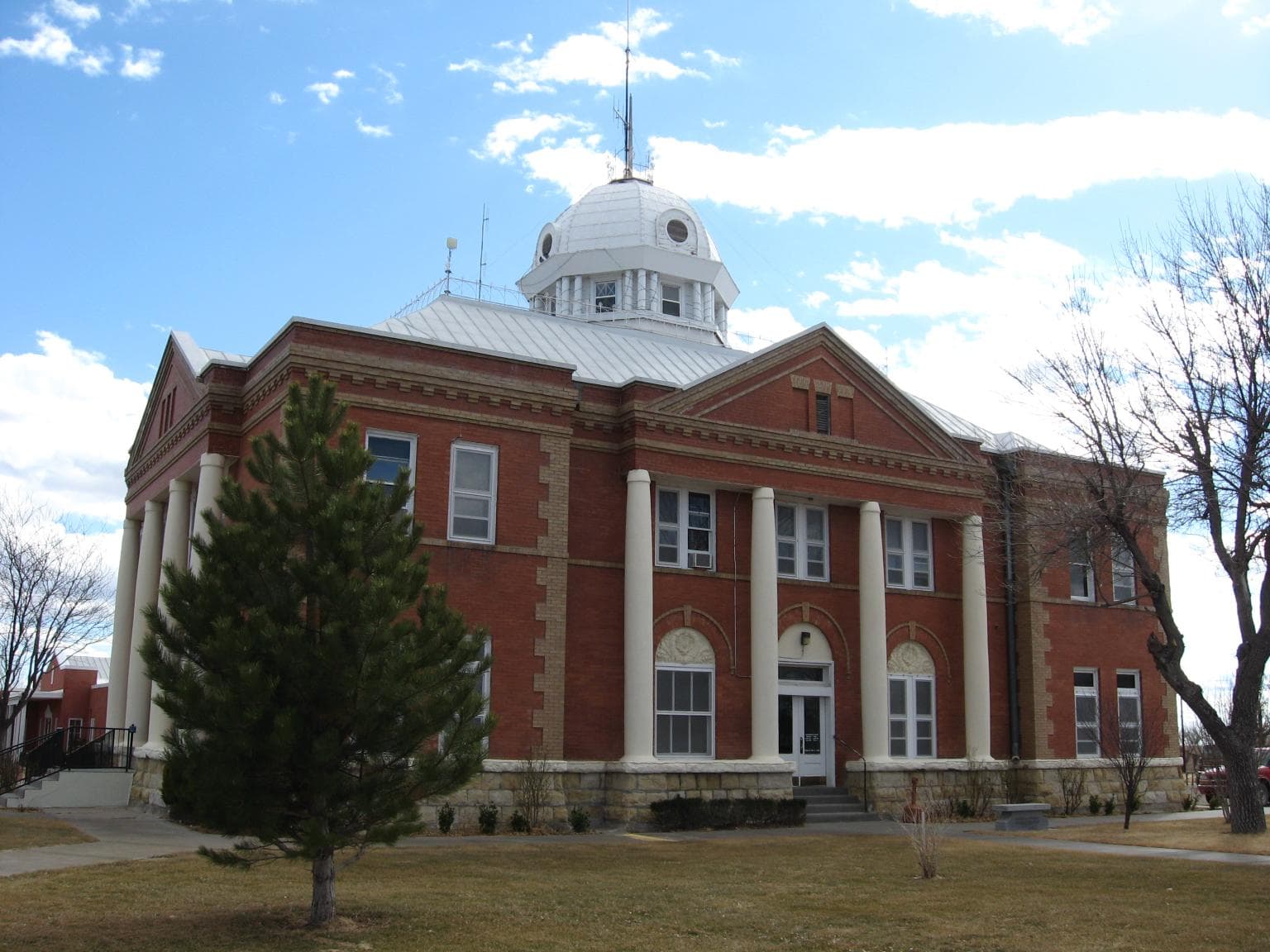
The Recorder of Deeds office is inside the Union County Courthouse at 103 S. Second Street in Lewisburg, PA 17837. Public hours run from 8:30 AM to 4:30 PM, but recording hours end at 4:15 PM. Lisa A. Seward is the current Recorder/Register. Jamie Putnam is chief deputy, and Becky Bennage is senior deputy.
If you need something recorded, the courthouse can still be open after the recording window has already closed, so a late arrival can mean waiting until the next business day.
What the Recorder of Deeds actually keeps
The office records deeds, mortgages, releases, easements or rights-of-way, subdivisions, restrictions, information related to notaries and public and elected county officers, and military service discharges.
A deed shows who owns property. A mortgage and mortgage assignment track the loan side of a purchase. A release shows when a lien or obligation has been cleared. Easements and rights-of-way explain who can cross land or use a strip of property for utilities, access, or roads. Subdivisions and restrictions matter when land is split, developed, or governed by recorded rules that follow the property from owner to owner.
Buying property means paying attention to more than the deed
The Recorder of Deeds also handles the tax side of a transfer. County recorders collect the state realty transfer tax, and counties may also collect local transfer taxes for municipalities, boroughs, townships, and school districts. The recording table is tied directly to the revenue system that funds public services.
State land records cover only the original transactions from William Penn or the Commonwealth to the first purchaser of a tract. Once land passes between private citizens, those deeds are maintained at the county Recorder of Deeds office for the county where the property sits.
If you are checking an old deed or family land history
Records from January 1, 1962 to the present are available, while records before 1962 have been placed on microfilm. That date matters if you are trying to prove a chain of title, settle a boundary question, or reconstruct a family’s connection to a piece of land. Newer records are easier to search in the modern system; older records may require a trip through microfilm or a staff-assisted search.
Genealogists often use deed books to trace where a family lived, how long it stayed on one tract, and when land moved to the next generation.
Pennsylvania also maintains a statewide real property records portal, and recorder offices microfilm recorded documents while many continue to produce paper record books. Online access is helpful, but it does not replace the courthouse for every search, especially when you are dealing with older records.
What trips people up at the counter
Small details can keep documents from being rejected. Deeds, mortgages, and mortgage assignments must include a signed certificate of address for the grantee, mortgagee, or assignee. Re-recorded documents need new acknowledgments and an explanation for why they are being re-recorded. If a Statement of Value is required, it must be filed in duplicate and fully completed, signed, and dated.
The office also requires separate checks for each recorded document and each realty transfer tax. Blanket documents are not accepted, and stamped self-addressed envelopes are required for returning documents. Acknowledgments must include the county, state, date, the persons or corporate officers appearing, the notary signature, notary seal, and notary expiration date, and the notary stamp must be clear and legible. If a filing is missing even one of those pieces, the document can stall before it is recorded.
Military discharge records are part of the job too
The office also records military service discharges. A DD-214, along with related forms such as a DD-215 or NGB-22, is needed to verify service for benefits, jobs, retirement, and reenlistment. Pennsylvania’s Department of Military and Veterans Affairs helps thousands of veterans and family members each year locate lost military documents.
DMVA recommends that veterans file paperwork with the Prothonotary’s Office at their county courthouse. The Recorder of Deeds keeps the county’s discharge record, but the broader courthouse system can involve more than one office when a veteran is trying to secure the document needed for benefits or proof of service. Union County also keeps Veterans’ Affairs as a separate courthouse department.
County history and courthouse research
Union County was created on March 22, 1813, from part of Northumberland County. Lewisburg became the county seat in 1855 after New Berlin served in that role from 1815 to 1855, and the county’s records now sit there.
The Union County Historical Society’s research office is on the first floor of the courthouse and helps visitors with courthouse research sources.
This article was produced by Prism’s automated news system from verified source data, official records, and press releases, then run through automated quality and moderation checks before publishing. The system is built and supervised by the people who set the standards it runs under. Read our full AI policy.
Did this article answer your question?