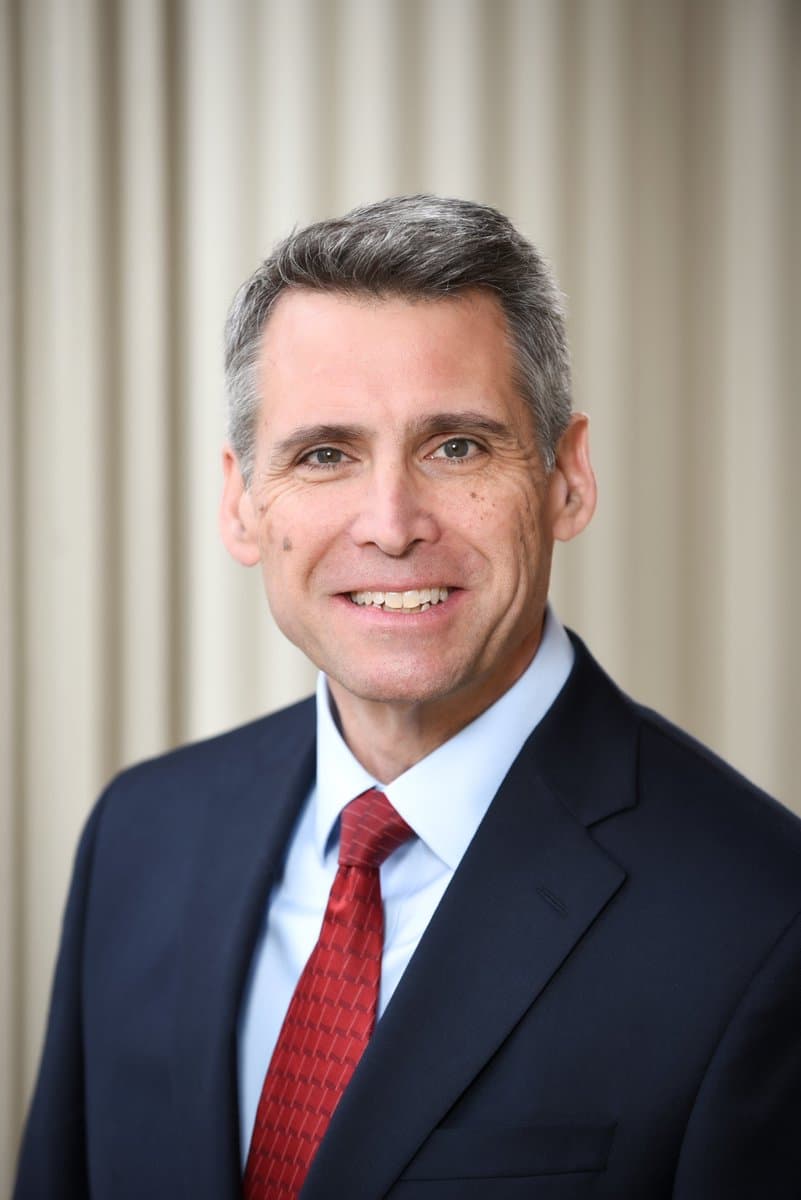
Scott Hahn Sworn In as Union County Sheriff; Focus on Community Policing
Scott Hahn was sworn in as Union County sheriff on Jan. 5, 2026, in a ceremony at the Union County Courthouse in Lewisburg administered by Union–Snyder County President Judge Lori Hackenberg. Hahn's stated lifelong commitment to public service and emphasis on community-policing priorities signal potential shifts in local enforcement practices that residents should monitor.

Scott Hahn took the oath of office as Union County sheriff on Jan. 5, 2026, in a formal ceremony held at the Union County Courthouse in Lewisburg. The oath was administered by Union–Snyder County President Judge Lori Hackenberg. Hahn, who assumed the elected sheriff’s position following the recent election, described a lifelong interest in law enforcement and credited his veteran grandfather as an inspiration for his entry into public service.
As the county’s chief elected law enforcement officer, the sheriff’s priorities shape everyday public safety work that affects residents across municipalities and townships. Hahn’s public emphasis on community policing places early attention on officer engagement with neighborhoods, outreach strategies, and collaborative responses to local concerns. Those priorities can influence patrol patterns, training emphases, interagency cooperation and how the sheriff’s office allocates limited resources.
The transition also raises questions about institutional continuity and accountability. The sheriff’s office will work alongside county commissioners, municipal police departments and the courts; coordination among these entities determines how community-policing initiatives are implemented in practice. Key operational areas for the new administration will include staffing and training budgets, performance metrics for community engagement, transparency around complaint and discipline processes, and measurable outcomes for crime prevention and response.
For residents, the change in leadership matters in practical ways. Community-policing strategies can alter day-to-day interactions between officers and the public, influence how the sheriff’s office addresses mental-health and substance-use crises, and shape school and neighborhood safety programs. Decisions on resource allocation also affect response times in rural areas of the county and the availability of deputies for both routine patrol and special assignments.

Hahn’s background and stated commitments provide a starting point, but implementation will be the decisive test. Residents should look for concrete policy proposals, timelines for training and outreach programs, and clear reporting on progress and outcomes. Public meetings, budget hearings and sheriff’s office communications will be key venues for accountability. Voter engagement in the election that brought Hahn to office underscores the influence of local elections on policing priorities; sustained civic oversight will determine whether campaign promises translate into lasting change.
The new administration inherits both operational responsibilities and public expectations. How Hahn translates community-policing rhetoric into day-to-day policy and measurable improvements will shape public safety and trust in Union County over the coming months.
This article was produced by Prism’s automated news system from verified source data, official records, and press releases, then run through automated quality and moderation checks before publishing. The system is built and supervised by the people who set the standards it runs under. Read our full AI policy.
Did this article answer your question?