Union County board approves watershed, nutrient work and vehicle replacement
Union County conservation leaders backed nutrient-management work, watershed staffing and a replacement for a 2017 Ford Fusion, keeping field crews moving.

Union County conservation leaders moved to keep farm compliance and stream-protection work moving, approving nutrient-management and watershed-related agreements and authorizing a replacement for a 2017 Ford Fusion. For staff who spend their days in fields, along streams and at farm sites, those votes are the difference between a program that keeps pace and one that stalls.
Chairman Lucas Criswell called the Union County Conservation District board meeting to order at 7 p.m. on Wednesday, June 10, 2026. The public could attend through Google Meet by contacting the Conservation District, and the agenda placed the work under new business and signature items. The board’s next meeting is set for July 8 at the Union County Government Center.
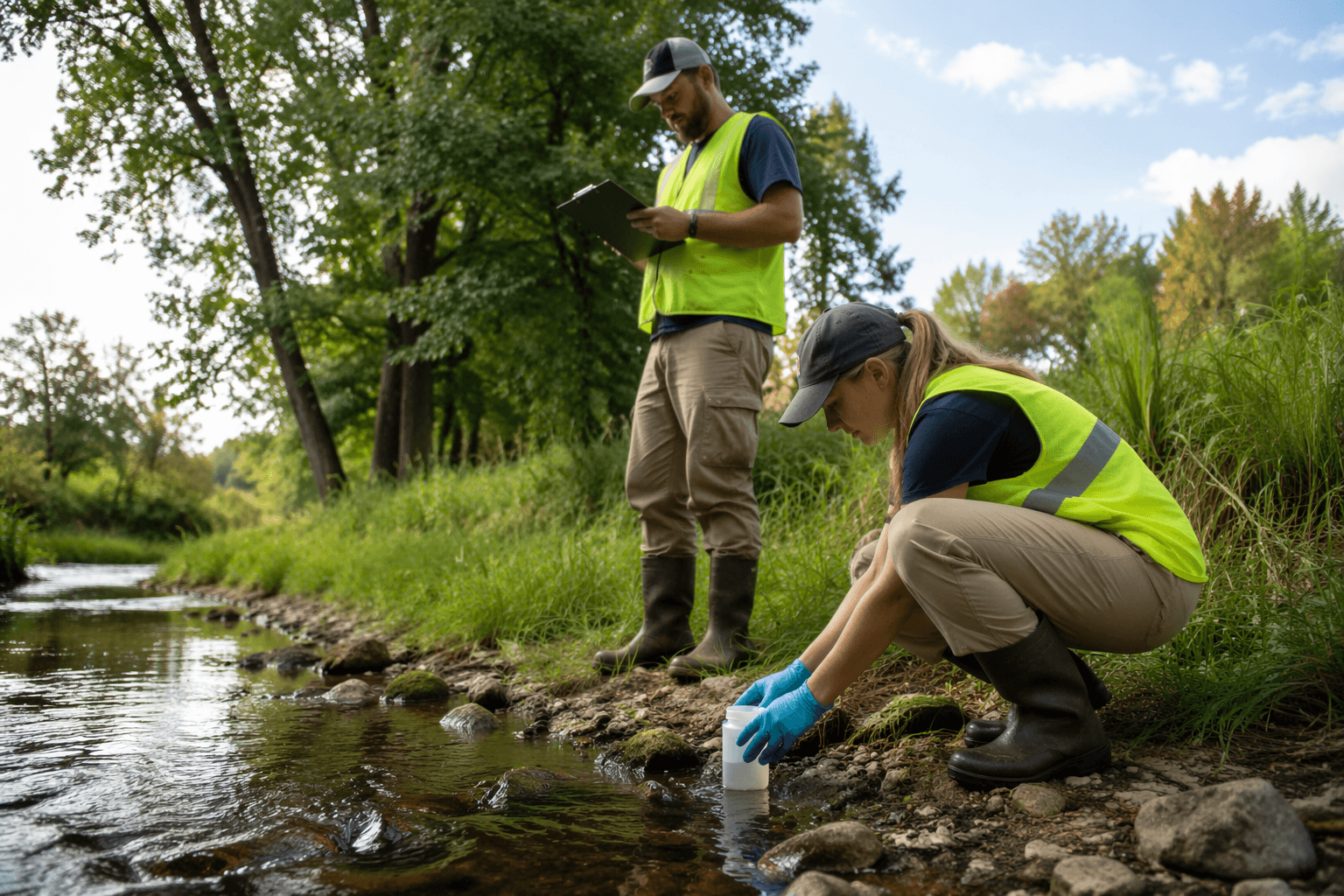
The district’s role reaches well beyond paperwork. Its program list includes the Chesapeake Bay Program, Nutrient Management Act 38, watershed groups and environmental education, while the Agriculture Conservation Assistance Program focuses on reducing nutrient and sediment loss on farms through best management practices. Union County says eligible ACAP projects can include riparian buffers, stream crossings, manure storage facilities and grassed waterways, the kinds of fixes that change how water moves off farms and into local creeks.
The staffing names behind those programs are Caroline Benfer Martin, the Chesapeake Bay Technician; Savannah Rhoads, the Watershed Specialist; and Ian Abernethy, the Nutrient Management Specialist. Pennsylvania Association of Conservation Districts materials describe the Chesapeake Bay Technician job as helping the farm community with regulatory compliance plans through technical assistance, inspections and grant-related work, which makes the board’s staffing and agreement approvals directly relevant to landowners trying to keep operations in line while improving water quality.
The district has been doing this work for decades. It was formed on March 6, 1957, under Pennsylvania Act 217, the State Soil and Conservation Law, and the board expanded in 1997 from seven to nine members, adding farm members, urban members and one county commissioner representative. The agenda also pointed to a June 20 Summerfest at R.B. Winter State Park from noon to 4 p.m., another sign that the district’s calendar now mixes outreach, compliance and day-to-day equipment needs. In Union County, the creekside impact often starts with a signature, a staff assignment and the decision to keep one more field vehicle on the road.
This article was produced by Prism’s automated news system from verified source data, official records, and press releases, then run through automated quality and moderation checks before publishing. The system is built and supervised by the people who set the standards it runs under. Read our full AI policy.
Did this article answer your question?