Union County Courts Process Multiple Docket Actions in December
Between December 12 and December 15 the Union County court system processed a string of short docket items, including scheduling of preliminary hearings, arraignments, pleas, and sentencing decisions. These routine entries matter to residents because they shape pretrial timelines, jail populations, and the pace at which criminal cases move through local courts.
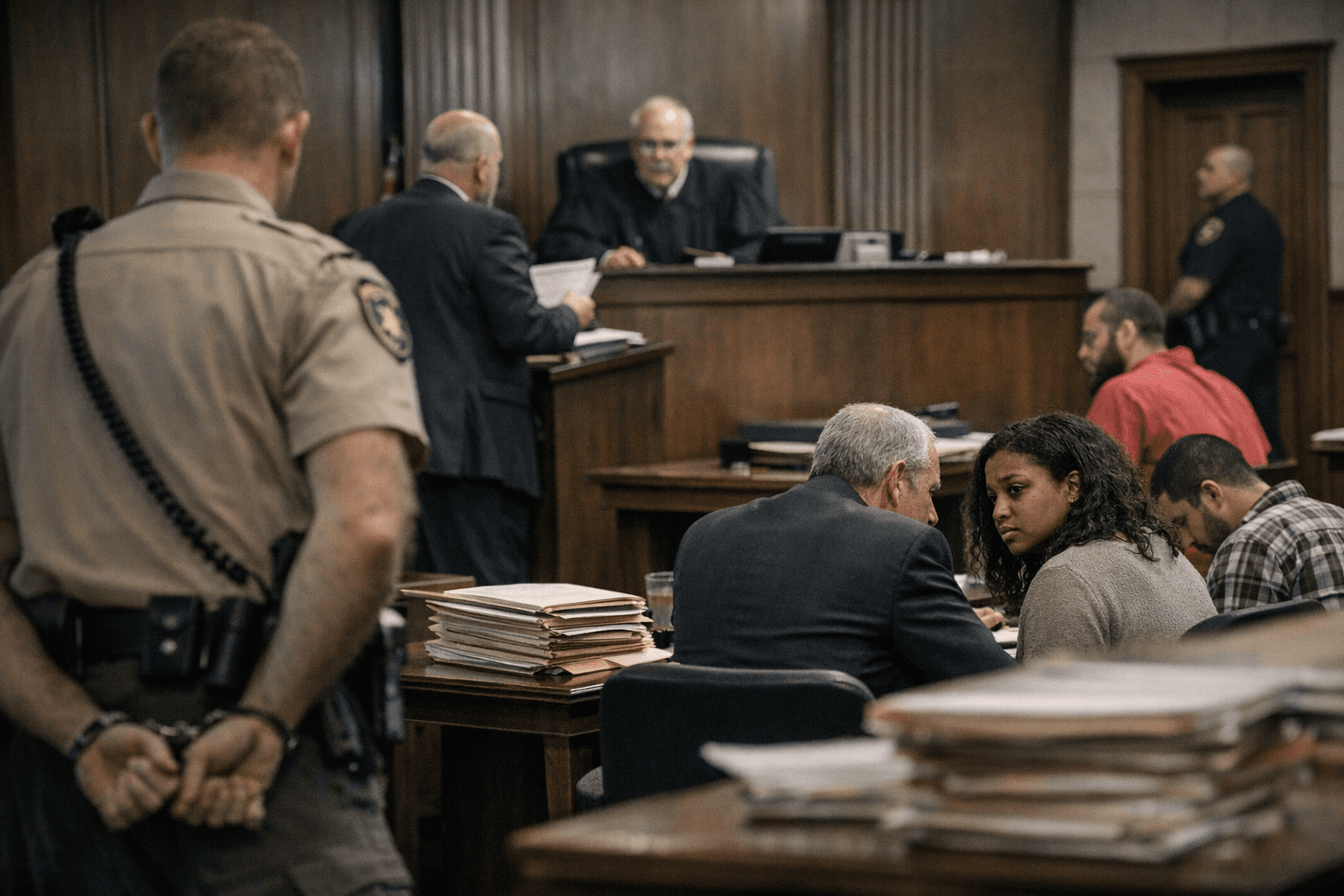
Court records show that mid December brought a series of brief but consequential docket actions in Union County. Magistrates and judges scheduled preliminary hearings, handled arraignments, accepted pleas in some matters, and issued sentencing in others. Most entries were procedural in nature, yet together they reflect how the county manages caseload flow at the end of the calendar year.
Preliminary hearing scheduling determines whether cases proceed to trial, and the pace of those hearings affects how long people remain in pretrial detention. Arraignments reset legal timelines and produce conditions of release that influence jail populations. Pleas and sentencing decisions resolve individual cases, but when aggregated they also reveal patterns about charging practices, plea bargaining, and sentencing outcomes that bear on broader criminal justice policy.
For Union County residents the immediate impacts are practical. Short order entries shape who remains in custody, when victims can expect court dates, and how quickly community safety concerns are addressed. They also affect the workload for public defenders, prosecutors, probation officers, and court clerks, which in turn influences court efficiency and taxpayer costs. Seasonal docket surges can create delayed hearings in January unless administrative capacity is adjusted.
Institutionally these mid December actions underscore the central role of scheduling and procedural hearings in case disposition. They point to policy questions about pretrial practices, the availability of defense counsel, and whether the county needs greater resources to reduce backlog and speed access to hearings. They also intersect with local governance because county budgets and elected officials determine funding for court personnel, indigent defense, and jail capacity.
Civic engagement remains important. Court calendars and public docket entries are primary avenues for residents to observe the local justice system in action, to follow high priority cases, and to hold officials accountable for courtroom administration and public safety outcomes. As candidates and officeholders discuss criminal justice and court funding in upcoming local forums, these routine December entries will be part of the factual record that informs those policy debates.
This article was produced by Prism’s automated news system from verified source data, official records, and press releases, then run through automated quality and moderation checks before publishing. The system is built and supervised by the people who set the standards it runs under. Read our full AI policy.
Did this article answer your question?