Union County Historical Society preserves 10,000 artifacts and research archives
Union County’s courthouse library, galleries, and archives can help you trace property lines, family names, and landmark histories without leaving Lewisburg.
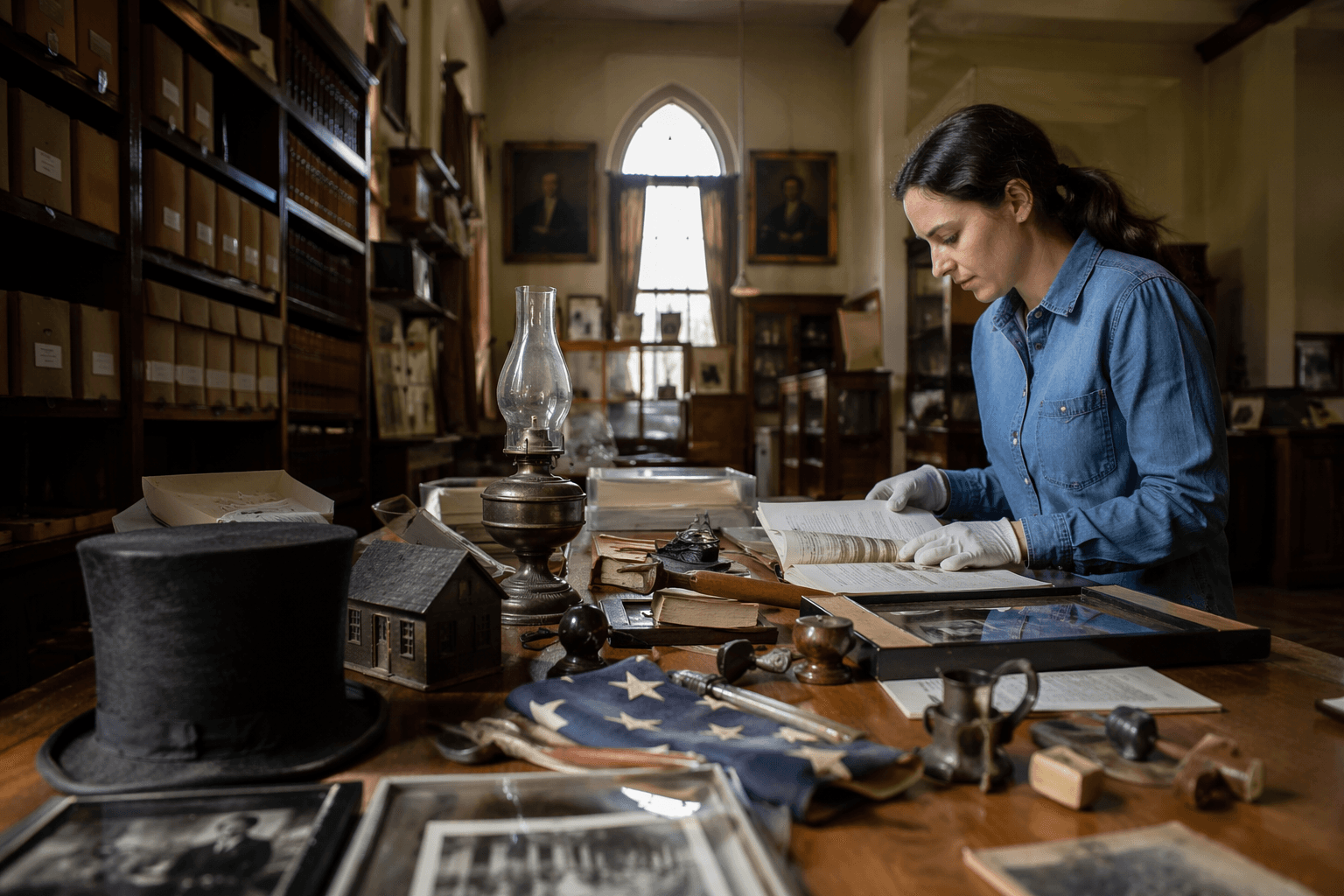
On the first floor of the Union County Courthouse in Lewisburg, visitors can use the Union County Historical Society’s research library to verify who owned a parcel, trace a family line, or identify what once stood on a Union County street. The society also maintains a museum collection and online publications that turn local history into a usable public record. For residents, teachers, genealogists, and anyone working on a house, a cemetery, or a family tree, the system provides access.
Start at the courthouse when you need records
The research library holds genealogical resources, history publications, microfilm newspaper archives, and research services, making it the most direct starting point for questions that depend on names, dates, and documentation. If your project involves a surname, a church connection, a school reference, or a newspaper notice, this is the place built for that kind of search.
Researchers are asked to email or call before they visit so staff can help more efficiently with questions that are often specific and time-sensitive: a person may arrive looking for a single family line, a tax clue, or a newspaper item tied to a building or business. Calling ahead lets a visit begin with the right files, not a blank start.
Use the collection to answer different kinds of questions
The archives and collection include more than 10,000 artifacts related to Union County history. The holdings include farm implements, tools, buggies, sleighs, photographs, postcards, photo albums, business and advertising material, banking records, church materials, school records, and deeds from the 17th and 18th centuries.
Farm tools and buggies can help place agricultural life in context; banking records and advertising material can illuminate commercial districts and local firms; church and school records can fill gaps in family histories; and those early deeds can help track the ownership trail of long-standing properties. If a home, barn, or business lot has changed hands over generations, the collection offers the kinds of primary material that can confirm what oral history only suggests.
The North Water Street Gallery turns artifacts into evidence
The artifact collection is tied to the North Water Street Gallery, which gives the society a public space where physical objects can be studied in context. For someone trying to understand a landmark, a neighborhood business, or an old family claim about how a street looked, the gallery’s objects can provide evidence that a written summary cannot. A photograph, postcard, or piece of business ephemera can anchor a detail about architecture, commerce, transportation, or daily life.
The gallery connects objects to local questions. A sleigh or buggy can speak to mobility and seasonality; school records can show how education was organized; advertising material can show which products and services reached Union County households; and photographs can help identify buildings, storefronts, and family relationships. For residents trying to verify what belonged where and when, the gallery serves as a reference point.
The Dale-Engle-Walker House adds a second layer of context
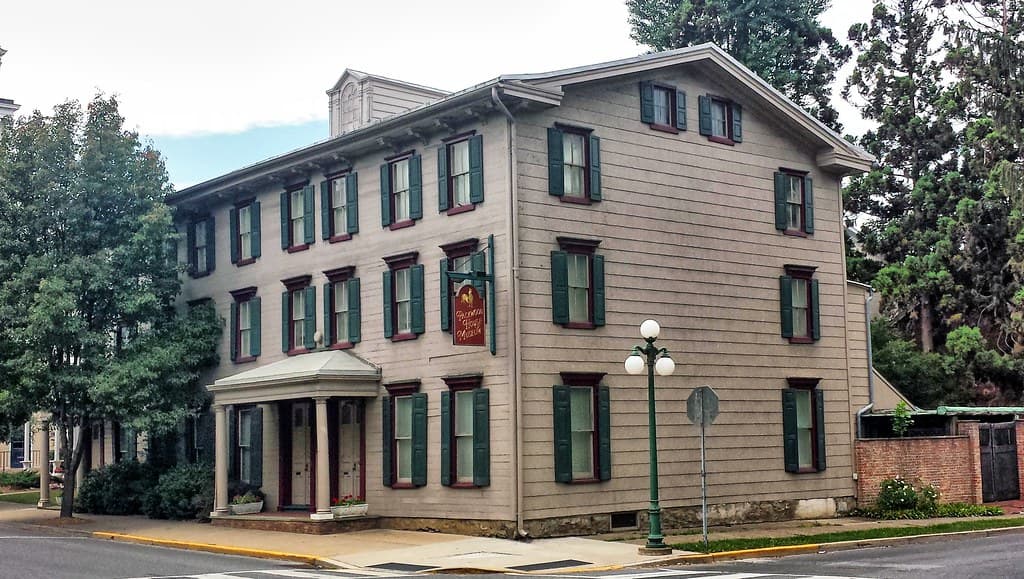
The society also uses the Dale-Engle-Walker House and associated structures as part of its museum work. Tying a collection of objects to a place can show how people lived, worked, and organized their communities. The house and its related structures help anchor the county’s material history in a setting that can support interpretation rather than isolated storage.
For local researchers, that can be especially helpful when a question goes beyond a single artifact. A deed from the 1700s, for example, becomes more meaningful when viewed alongside the kind of domestic and agricultural material that reflects the world in which that deed was written.
What the archives are especially good for
The society’s material is especially strong in categories that residents most often need for practical research: agriculture, banking, churches, schools, colleges, advertising, and deeds.
- Agriculture can help explain farm ownership, equipment, and rural change.
- Banking records can help identify business networks and property ties.
- Church materials can track congregations, families, and community institutions.
- School records and college-related material can help document attendance, staffing, and local education history.
- Advertising material can identify merchants, services, and the commercial life of a borough or crossroads.
- Deeds can establish ownership and help reconstruct the history of a lot or building.
That focus makes the archive useful to people working on very different projects. A homeowner may be trying to date a structure. A family researcher may be trying to confirm a line. A teacher may need local primary sources for a class project. A preservation volunteer may need a paper trail to support a landmark story. The same collection can serve all of them because it is organized around the county’s actual institutions and records.
Research from home is part of the system too
The society’s online publications extend the archive beyond Lewisburg for anyone who cannot make a courthouse visit right away or who wants to narrow a search before coming in person. Publications can help frame a topic, point to names and places, and make an in-person visit more efficient when the time comes.
Together, the courthouse library, the gallery collection, the museum spaces, and the online material let a person begin with a family name in print, confirm it in a newspaper archive, compare it with a deed, and then look at an artifact or photograph that puts the record into local context.
This article was produced by Prism’s automated news system from verified source data, official records, and press releases, then run through automated quality and moderation checks before publishing. The system is built and supervised by the people who set the standards it runs under. Read our full AI policy.
Did this article answer your question?