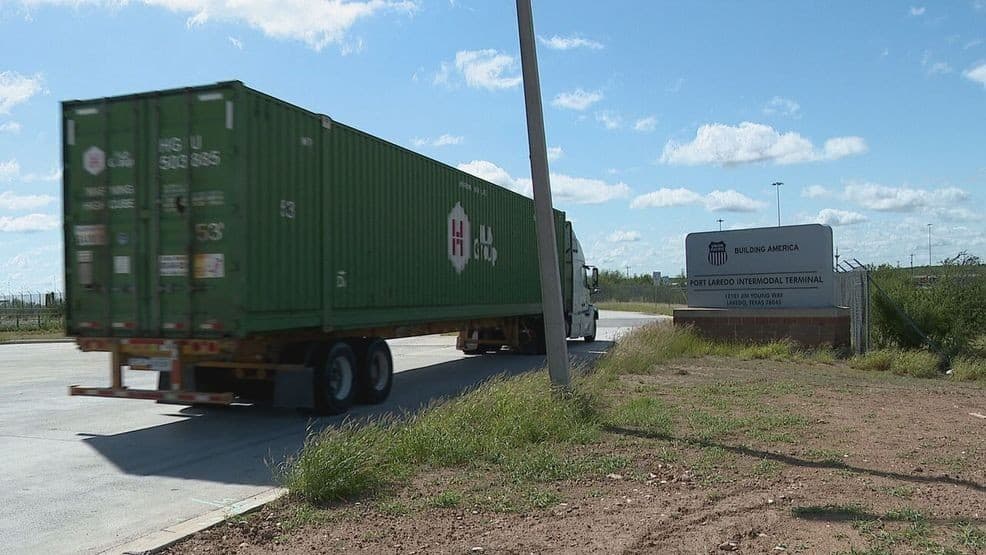
Binational Cleanup Reduces Sewage Threat in Rio Grande Reach
A long form investigation detailed a binational cleanup and infrastructure effort that rehabilitated Nuevo Laredo's wastewater treatment plant, sharply reducing raw sewage discharges in that urban stretch of the Rio Grande. The work matters to Val Verde County because monitoring shows elevated bacteria in multiple border urban areas including the stretch below Amistad Reservoir, making continued funding and cross border coordination essential for local public health and recreation.

A recent long form investigation outlined a major binational push to address sewage and pollution in the Rio Grande, centering on rehabilitation work at Nuevo Laredo's wastewater treatment plant. The project was financed by a combination of North American Development Bank grants, U.S. Environmental Protection Agency funds, commitments from Mexican authorities and additional financing, and has led to a dramatic reduction in raw sewage discharges in that urban reach.
Monitoring of the river is being carried out within an established framework that includes the International Boundary and Water Commission and the Texas Clean Rivers Program. Data from multiple monitoring sites indicate elevated bacteria readings in several border cities, with explicit concern for the stretch below Amistad Reservoir. The monitoring framework names areas where counts have surged in recent years, including Del Rio and Ciudad Acuña, Laredo and Nuevo Laredo, and Eagle Pass and Piedras Negras.
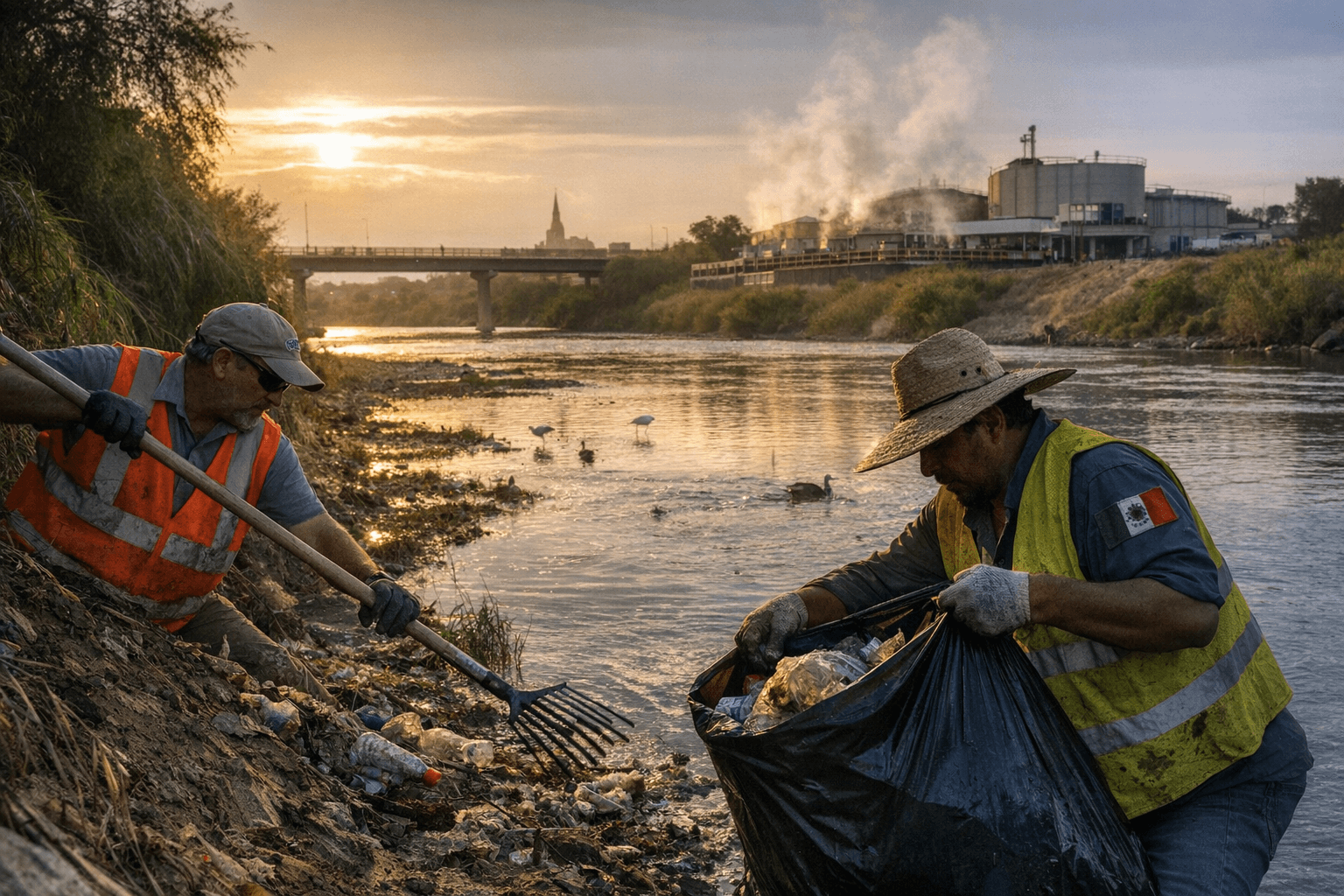
For Val Verde County residents the implications are immediate. Del Rio lies on the stretch of river showing elevated bacteria counts, which affects swimming, fishing and other recreational use of the river and Amistad Reservoir. Public health officials and park managers face pressure to balance access with safety, and local water and wastewater utilities must coordinate both locally and across the border to keep improvements in place.
The investigation emphasizes that capital projects and repairs alone are not a permanent solution. Binational investment, routine maintenance planning and systematic monitoring have been used as tools to improve water quality, but long term maintenance funding and political continuity are required to avoid future backsliding. For Val Verde County that means ongoing engagement with regional partners, sustained budgetary commitments and regular public updates on monitoring results to protect recreation, livelihoods and cross border relations.
Know something we missed? Have a correction or additional information?
Submit a Tip