CBP launches screwworm awareness campaign at South Texas ports of entry
CBP is handing out bilingual screwworm warnings at eight border crossings as Val Verde County ranchers and travelers face a renewed prevention push.
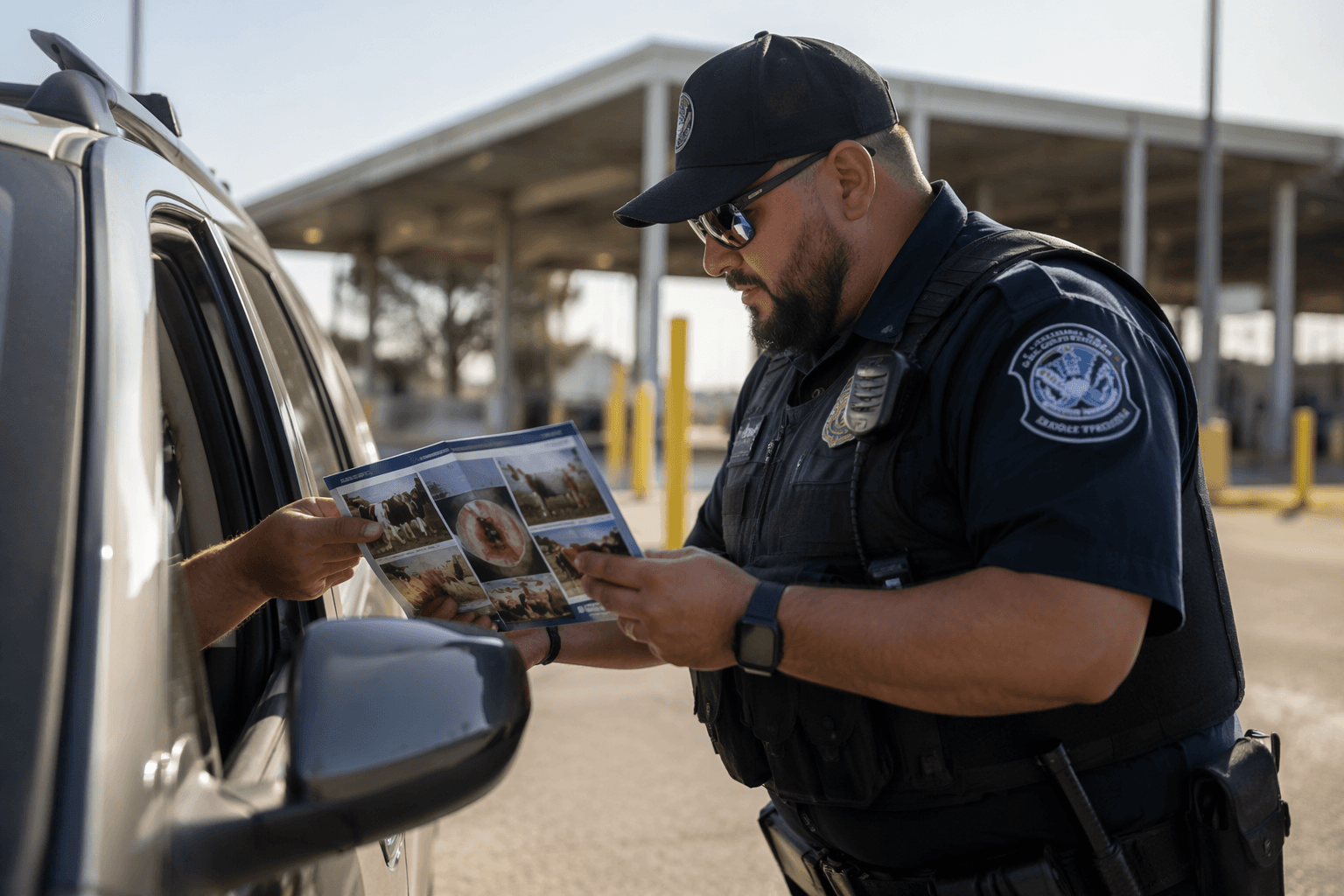
Bilingual screwworm warning sheets are now moving through eight South Texas ports of entry, with U.S. Customs and Border Protection trying to catch travelers, ranchers and pet owners before the parasite reaches more animals in the border corridor.
CBP launched the public-awareness campaign on Thursday, May 28, to explain what the New World screwworm is, how it spreads and what signs people should watch for in livestock, pets, wildlife and birds. Donald R. Kusser, director of the CBP Laredo Field Office, said ports of entry are trying to expand public awareness “as quickly as possible.”
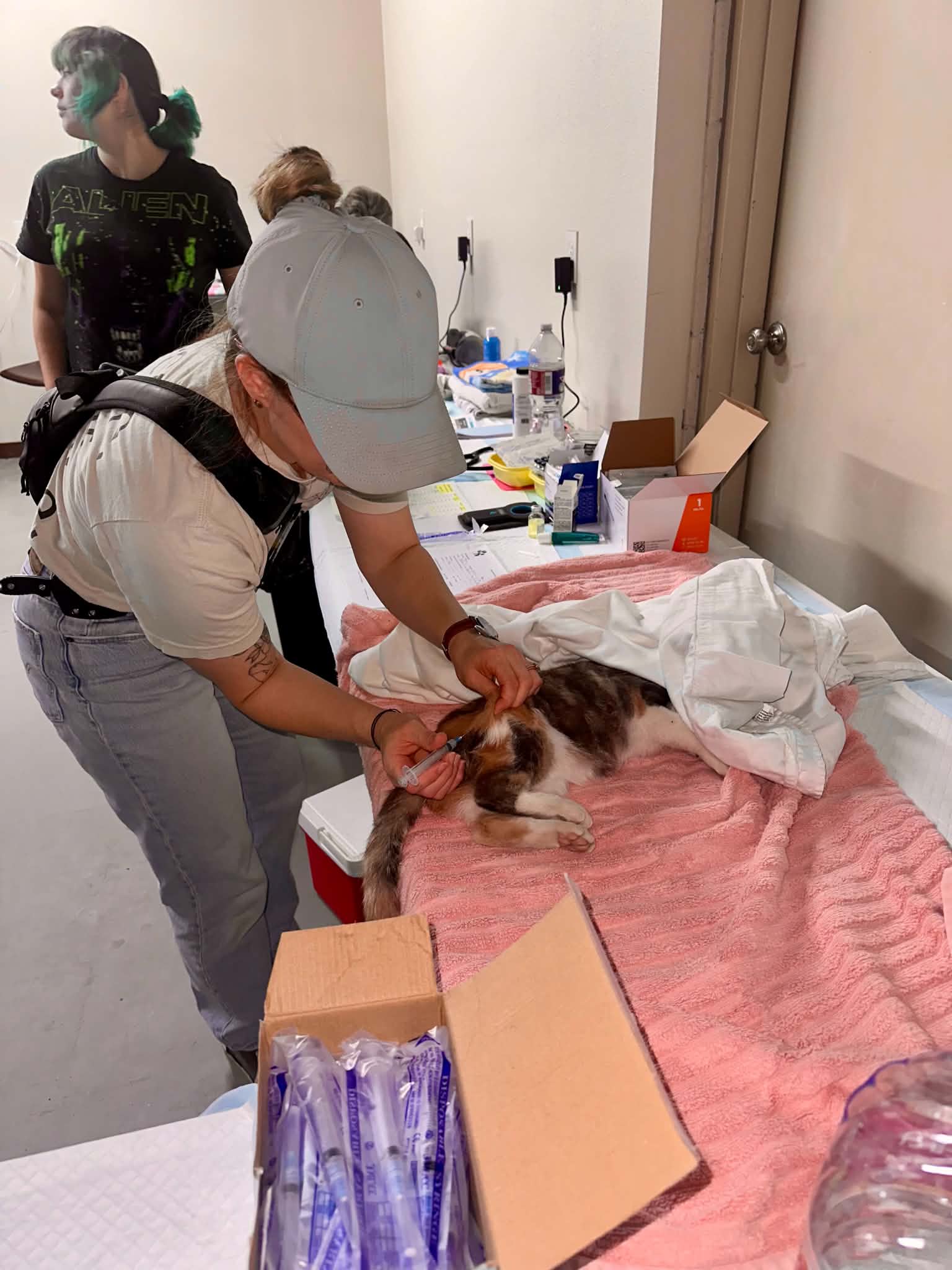
The warning matters in Val Verde County because Del Rio sits on a busy crossing point where cattle, pets and wildlife all move through the region. CBP says the parasite can infest warm-blooded animals when a fly lays eggs in a fresh wound. The larvae feed on living tissue, which can trigger secondary bacterial infections and leave the host seriously ill. Residents are being told to look for head shaking, irritated behavior, decay or visible maggots in a wound and report any suspect animal immediately to a veterinarian, a state animal health official or an APHIS office.
USDA and the Animal and Plant Health Inspection Service say the United States is still considered free of New World screwworm in livestock, but federal officials have been tightening protections since a confirmed case in Mexico. APHIS first suspended live animal imports from Mexico on November 22, 2024, then restricted live cattle, bison and horses again on May 11, 2025 as the pest kept moving north. USDA later said detections in Veracruz were about 370 miles south of the U.S.-Mexico border.
The broader response has become a major livestock-defense effort. On June 18, 2025, USDA Secretary Brooke L. Rollins announced an $8.5 million sterile fly dispersal facility in South Texas. On August 15, 2025, USDA said it would invest up to $750 million to build a domestic sterile-fly production site at Moore Air Base in Edinburg, with the capacity to produce up to 300 million sterile flies a week. USDA says the Panama COPEG facility produces about 100 million sterile flies weekly, and Mexico’s Metapa facility is expected to add another 60 million to 100 million per week.
Texas producers have already been warned how quickly the threat can tighten around the border. On January 15, 2026, Texas Agriculture Commissioner Sid Miller said Tamaulipas had 11 confirmed screwworm cases since December 30, 2025. The Texas Animal Health Commission says the United States eradicated screwworm in 1966 using the sterile insect technique, and that same method is now driving the South Texas campaign before the parasite gets a foothold on this side of the border.
This article was produced by Prism’s automated news system from verified source data, official records, and press releases, then run through automated quality and moderation checks before publishing. The system is built and supervised by the people who set the standards it runs under. Read our full AI policy.
Know something we missed? Have a correction or additional information?
Submit a Tip