Laughlin highlights mental health support as key to mission readiness
Laughlin’s mental health flight serves active-duty airmen first, with 24/7 support and backup from TRICARE, the chaplain’s office and Military OneSource.
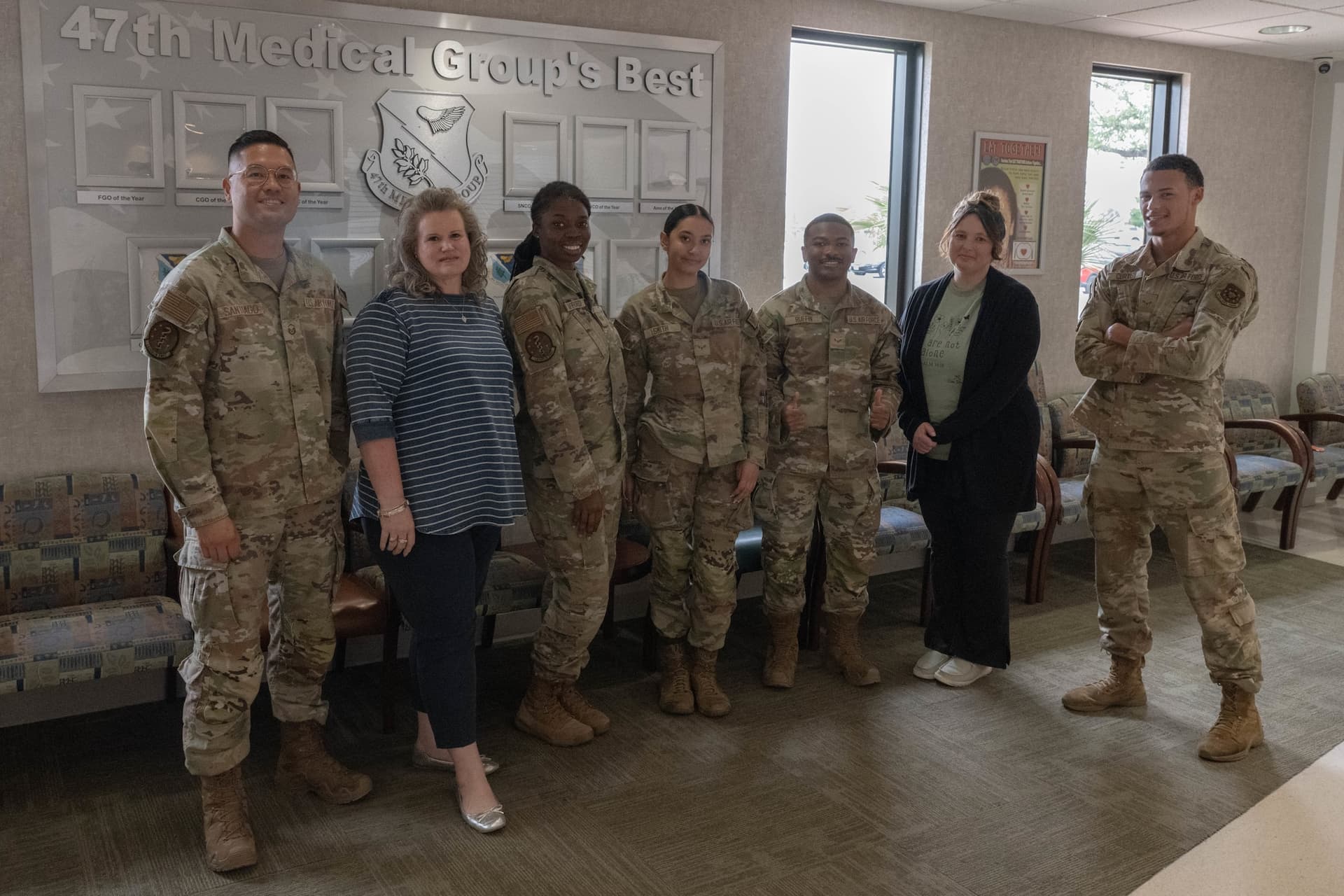
Mental health care at Laughlin Air Force Base is being cast as a readiness tool, not an extra amenity. The Laughlin Operational Medical Readiness Squadron’s mental health flight primarily serves active-duty personnel, while the broader Medical Group supports the 47th Flying Training Wing’s training mission and the health care needs of more than 3,400 Department of Defense beneficiaries in Del Rio and Val Verde County.
On June 1, as Laughlin marked Mental Health Awareness Month, the base highlighted a team that handles stress, anxiety and other mental health challenges as part of the same system that keeps pilots in training. Maj. Gary Young, the squadron’s mental health commander, said the mind and body are linked, underscoring the base’s view that mental health problems can affect physical health, performance and mission success.

That message reaches beyond one clinic. Laughlin Medical Group says the Operational Medical Readiness Squadron also provides Flight Medicine, Optometry, Health and Wellness, Dental, Public Health, Bioenvironmental Engineering and Medical Readiness services. In other words, mental health sits inside a wider medical structure built around Specialized Undergraduate Pilot Training, not off to the side as a separate or optional service.
For airmen and other beneficiaries, the access points are straightforward. Laughlin says patients can turn to the mental health flight, the chaplain’s office, the Laughlin Air Force Base Military and Family Readiness Center or Military OneSource. The Military Health System also says mental health support is available 24/7, while TRICARE covers medically and psychologically necessary mental health and substance use care, including inpatient and outpatient treatment. That makes the system broader than a single appointment line and more usable when stress becomes a safety issue.
The harder question is whether people will use those services early enough. National Alliance on Mental Illness says its 2026 Mental Health Awareness Month theme centers on speaking up against stigma, a reminder that concern over judgment still keeps many people from seeking help. Laughlin has been pressing the same readiness message for years, from a 2023 Suicide Awareness Month story to a 2021 feature on Primary Care Behavioral Health that focused on helping airmen cope with stressors and build sustainable coping skills. At Laughlin, the test is no longer whether the support exists; it is whether the support is easy enough, visible enough and trusted enough to be part of daily mission readiness.
This article was produced by Prism’s automated news system from verified source data, official records, and press releases, then run through automated quality and moderation checks before publishing. The system is built and supervised by the people who set the standards it runs under. Read our full AI policy.
Know something we missed? Have a correction or additional information?
Submit a Tip