Del Rio family kitchen grows Julio’s Corn Chips into Texas brand
Julio’s Corn Chips grew from a Del Rio home kitchen into a statewide staple, with a 2.5-ton daily plant, family ownership, and a flavor rooted in Val Verde County.
Julio’s Corn Chips began with a family kitchen in Del Rio and grew into a Texas brand without losing the hometown story that gave it shape. Julio T. Garcia built his seasoning reputation as head chef at the Branding Iron Steak House in the 1970s and later at Cedar’s Steak House, where he developed the spice blend that still flavors the chips today. What started as family labor, with Lilia Garcia cooking from home while also working for the Del Rio Independent School District, eventually became a business that still carries Del Rio’s name on bags sold far beyond Val Verde County.
From kitchen table to storefront
The first chapter of Julio’s is less about expansion than persistence. When work dried up, Julio and Lilia Garcia kept cooking, and Lilia ran a small catering operation from the family kitchen while balancing her school district job. In the 1980s, customers began coming to the Garcias’ house to buy chips and salsa, turning the home itself into the first retail outlet and making the business feel like a neighborhood extension of the kitchen.
That origin still matters because it explains the company’s identity: Julio’s was never built as a faceless snack label. It grew from a Del Rio family’s daily work, from recipes used to feed local gatherings and catering orders, and from a seasoning profile that came out of restaurant kitchens before it ever hit a commercial line. The story is a local one first, and a business story second.
The flavor that set it apart
Julio’s says its chips are seasoned with garlic, paprika, cumin and lime, a Tex-Mex mix that helps separate the brand from generic corn chips on store shelves. Those flavors are more than branding language. They connect the product to the borderland cooking that Del Rio families know well, where seasoning tends to be bold, familiar and built for sharing.
The company also says chips and salsa are common at weddings and football games, which helps explain why the brand stuck. Those are the kinds of events where a food moves from being a snack to being part of the social fabric, and that kind of repeated use gives a local product real staying power. In Del Rio, the chip is not just something sold in a bag; it is something that shows up when families gather.
A business that scaled with the town
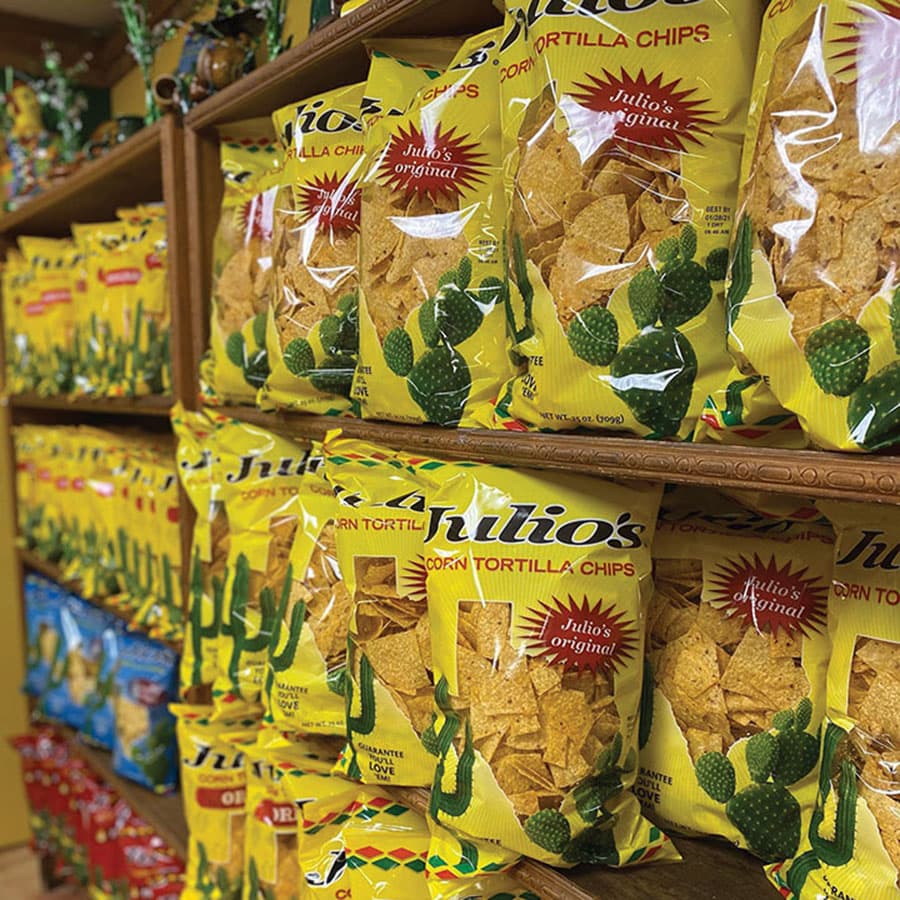
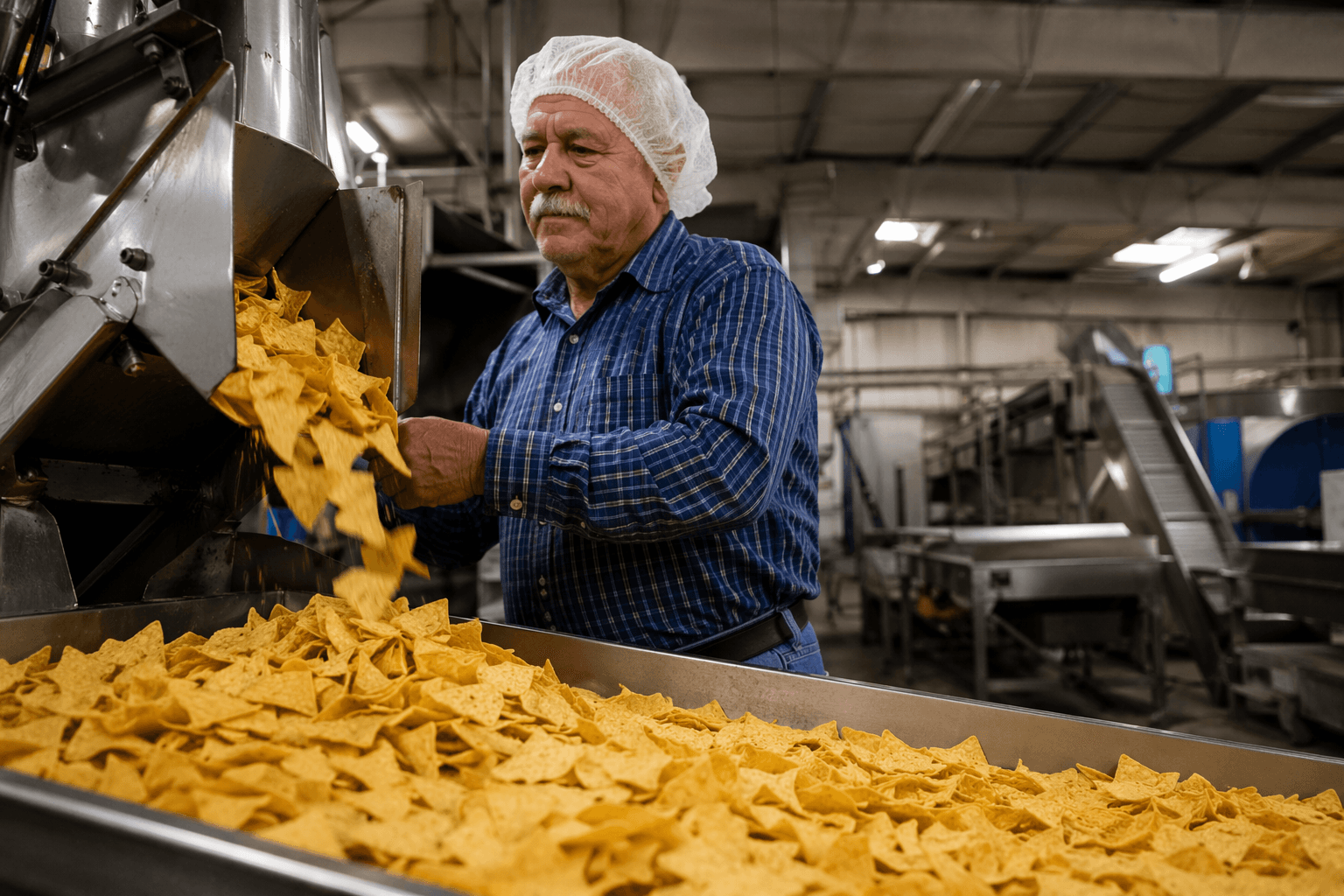
The scale today shows how far the Garcias’ kitchen work has traveled. Julio’s says the Del Rio manufacturing plant produces 2.5 tons of chips per day, a number that puts the business in the category of serious local industry, not small-batch novelty. The yellow bags now sit in major Texas retailers, including H-E-B and Walmart, in cities such as San Antonio, San Angelo, Houston, Lubbock and Dallas.
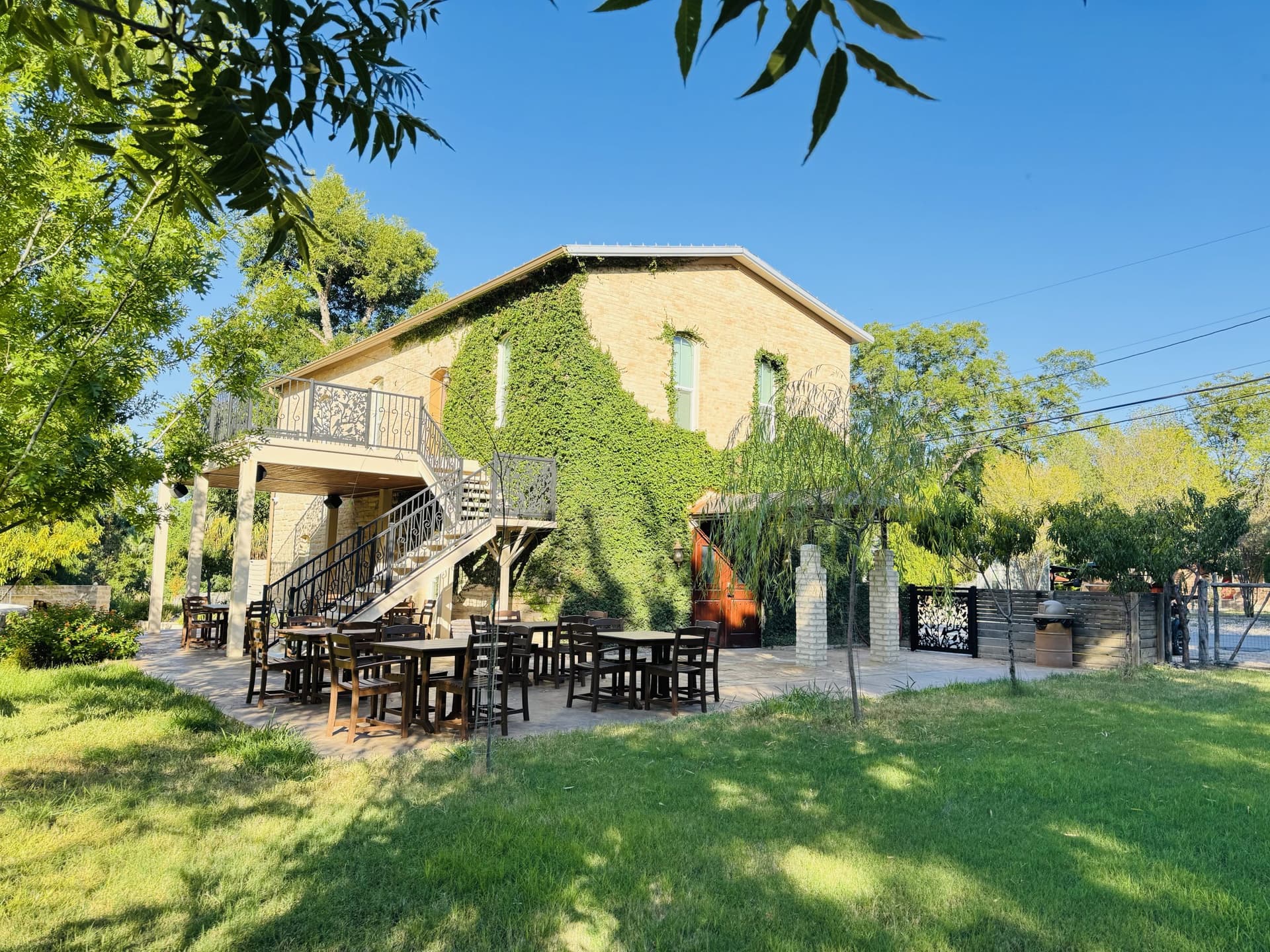
By 2002, the family had opened a factory with a Mexican restaurant in front at 3900 US 90 East in Del Rio. That location matters because it made Julio’s both a production site and a destination, tying manufacturing to dining and giving the business a visible home base on a major road in town. For Val Verde County, that kind of setup means jobs, traffic, and a business identity that still points back to the border community that built it.
Family labor is the real legacy
Miguel Garcia’s memories put the family effort in plain view. He recalled waking early to fry corn chips in the family kitchen so his father could sell them at a convenience store and his mother could use them for catering deliveries. That detail turns the brand’s origin into something more than a success story about entrepreneurship. It shows a household coordinating work across business lines, from restaurant seasoning to kitchen production to retail sales.
Miguel Garcia also said the business would never have happened without his parents’ sacrifice. That line captures the center of the Julio’s story better than any corporate slogan could. The company grew because the Garcia family treated food as both livelihood and identity, and because each stage of the business depended on the labor of more than one person at home.
Why Del Rio keeps showing up in the story
Del Rio’s geography helps explain why Julio’s feels so rooted in place. Texas Highways identifies the city as the county seat of Val Verde County and notes that it sits just across the border from Ciudad Acuña, Coahuila, Mexico. That border setting shapes the food culture around the brand, where Mexican and Tex-Mex traditions have long blended into everyday local cooking.
The broader Del Rio landscape also gives the company a stronger civic backdrop. Texas Highways points to Laughlin Air Force Base, Val Verde Winery and Amistad Reservoir as part of the city’s identity, which places Julio’s inside a community that is already used to serving both locals and visitors. In that setting, a chip brand that started in a kitchen and grew into a factory feels less like an outlier than a natural extension of the town’s commercial life.
What Julio’s means for Val Verde County
Julio’s is one of the clearest examples of how a family recipe can become a regional brand while staying tied to local ownership. The product still carries the seasoning profile developed by Julio T. Garcia, the family story still centers on Lilia Garcia’s kitchen work and Miguel Garcia’s early-morning chip frying, and the company still operates from Del Rio rather than drifting into anonymity elsewhere.
For Val Verde County, that matters because it shows how local food businesses can become economic anchors without abandoning their roots. The brand now reaches major Texas cities, but its core remains visible in Del Rio: a family kitchen, a factory on US 90 East, and a product that still tastes like the border town where it was born.
This article was produced by Prism’s automated news system from verified source data, official records, and press releases, then run through automated quality and moderation checks before publishing. The system is built and supervised by the people who set the standards it runs under. Read our full AI policy.
Did this article answer your question?