Del Rio Residents Oppose Proposed Water and Wastewater Rate Increase
On December 15, Del Rio residents packed a special City Council hearing to protest a proposed increase in water and wastewater rates, telling city officials the rise would create financial strain for many households. The hearing underscored concerns about transparency and the city process for adopting rates, while officials cited pressing infrastructure needs as the rationale for the proposal.
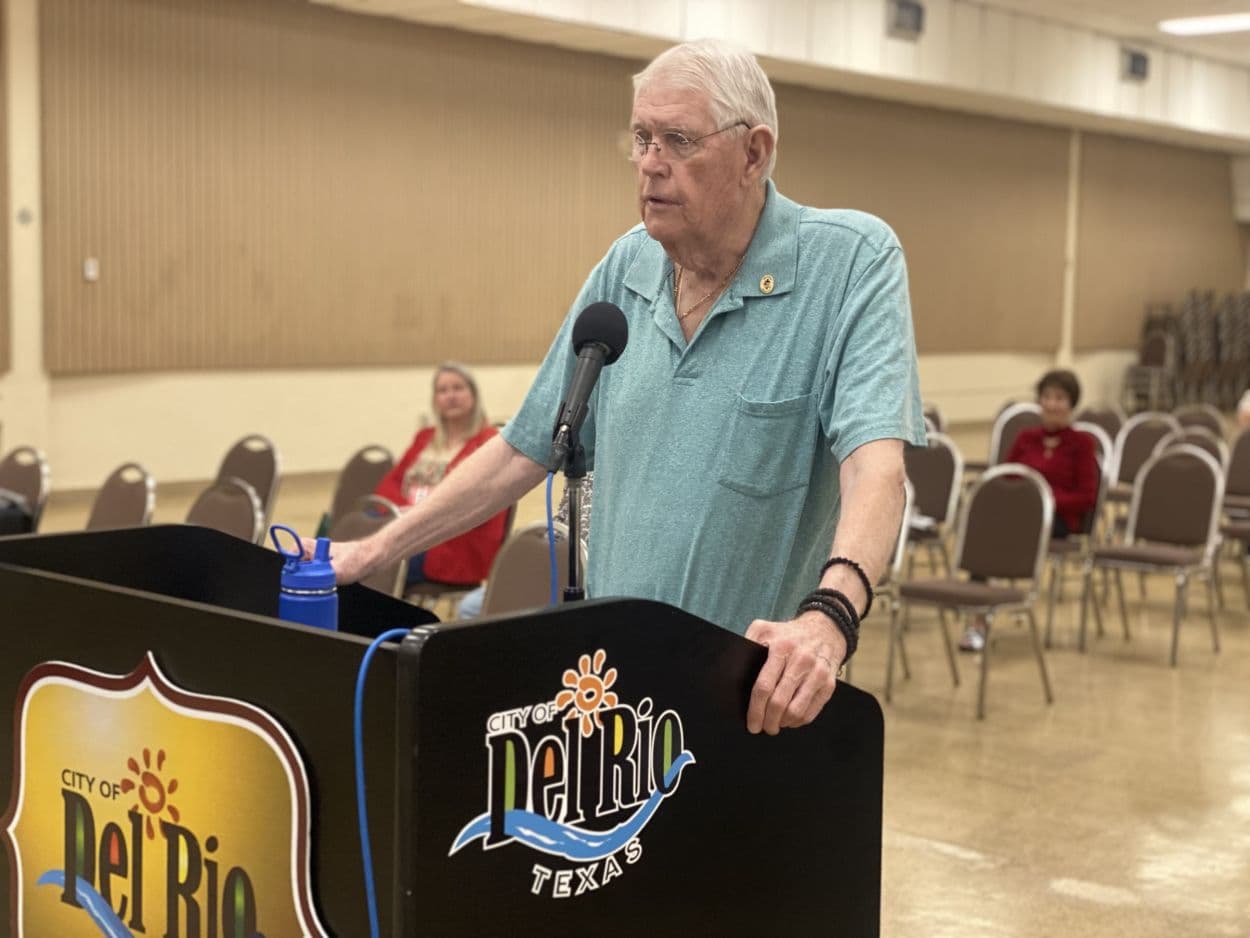
Hundreds filled the council chambers in Del Rio on December 15 to deliver sharply critical public testimony about a proposed adjustment to water and wastewater rates. The hearing, one of two items on a special City Council meeting agenda, became the focal point of a broader community debate over affordability, municipal transparency, and infrastructure investment.
City staff and council members listened as numerous residents described the financial burden the proposed increases would impose, particularly on fixed income households and families already struggling with living costs. Attendees pressed for clearer documentation of how rate revenues would be spent and for a more open process in setting charges. Many speakers stressed that certainty and predictability in billing are essential for households planning monthly budgets.
Officials defending the proposal emphasized infrastructure needs as the primary justification. City presentations cited required sewer line upgrades and necessary work at the wastewater treatment plant to maintain service and meet regulatory obligations. City leaders framed the rate proposal as an effort to fund long deferred maintenance and to stabilize system operations, indicating that without investment, the community could face greater costs down the line through service interruptions or emergency repairs.
The hearing did not occur in isolation. It followed prior town hall meetings and came after the city made billing adjustments earlier this year in response to implementation problems that had left some customers overcharged or confused. Those earlier issues remain a sore point for many residents who want guarantees that new revenues will translate into improved operations and more accurate billing.
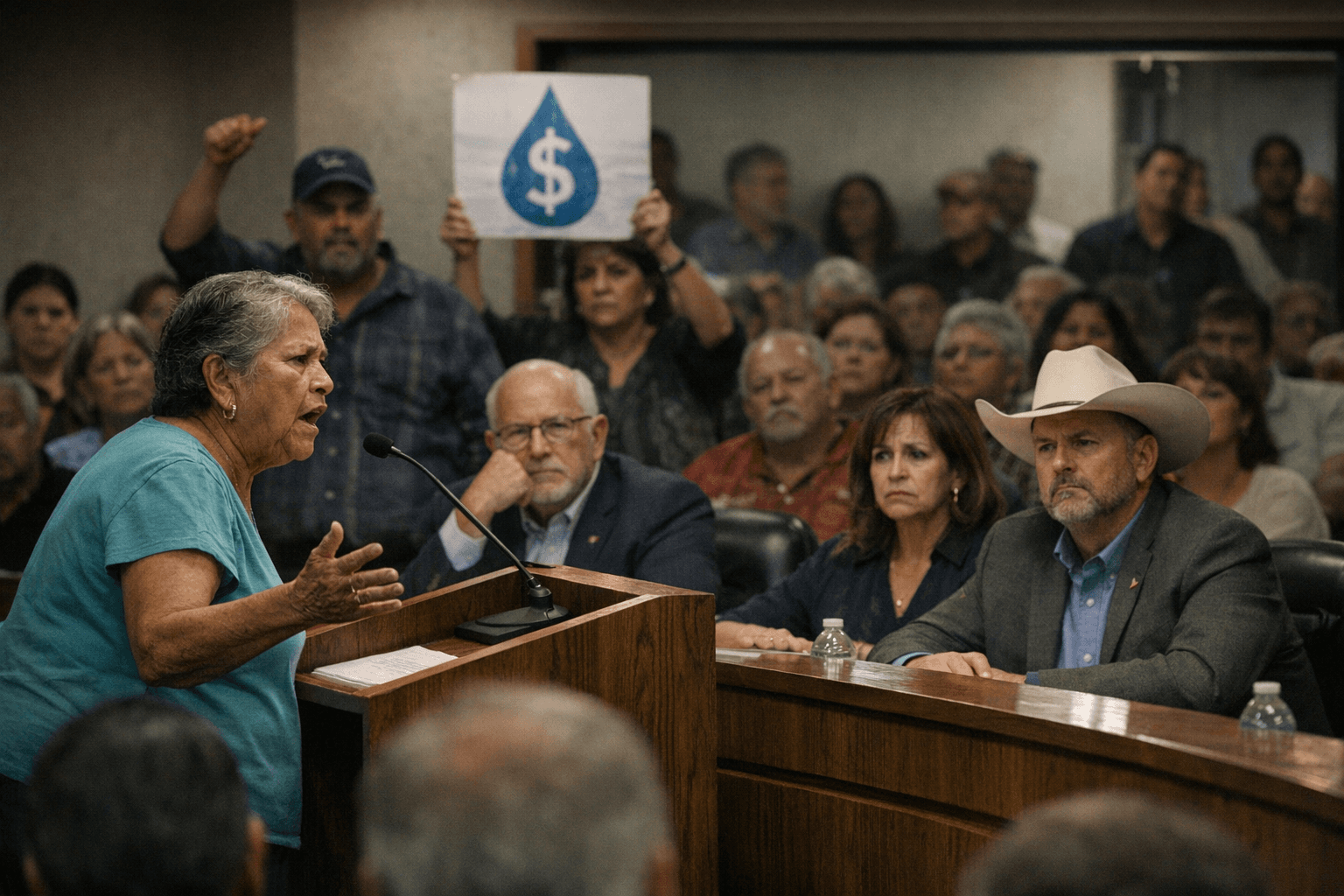
For Val Verde County residents, the debate carries practical consequences. Water and wastewater charges are recurring household expenses, and any increase will disproportionately affect low income and elderly residents. The outcome will also shape the city budget and the pace at which Del Rio can address aging infrastructure. As the council continues its rate process, residents and community groups are likely to press for clearer timelines, detailed cost breakdowns, and consideration of phased or targeted relief for vulnerable households.
The conflict in Del Rio reflects a wider pattern in smaller American cities where infrastructure needs collide with affordability concerns, requiring municipal leaders to balance fiscal responsibility with community trust. The council faces the task of translating technical infrastructure plans into policies that local families can accept and afford.
Know something we missed? Have a correction or additional information?
Submit a Tip