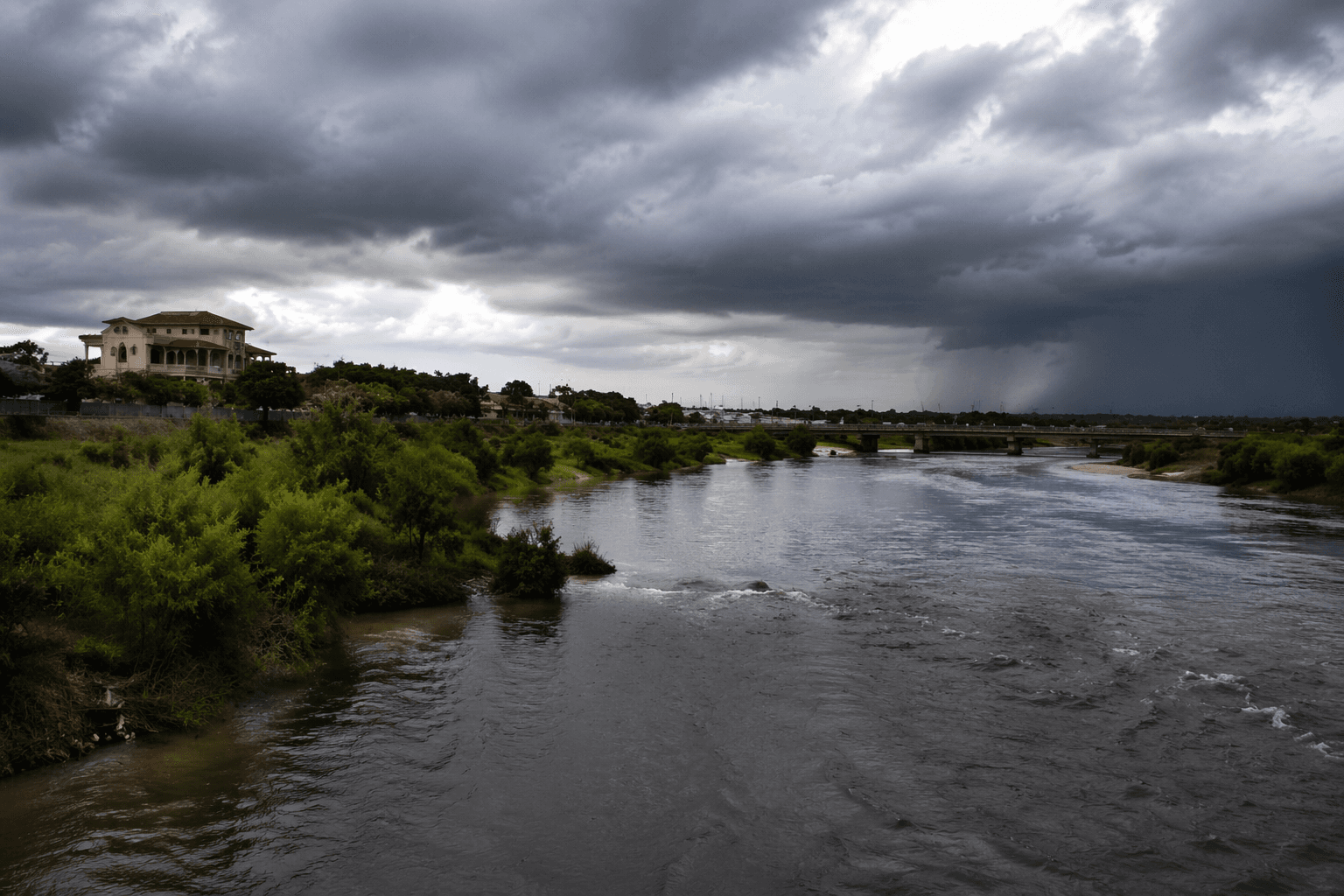
Del Rio showcases spring-fed recreation, history and local culture
Del Rio’s creek walk, museums and heritage sites double as everyday amenities, giving Val Verde County families a low-cost way to use parks, history and arts close to home.
Del Rio gives Val Verde County residents something many county seats do not: a compact set of places where a family can spend a day outdoors, step into local history and still stay close to home. In a county of 47,586 people, those sites are not just visitor stops, they function as civic infrastructure, linking recreation, culture and neighborhood life in one walkable city.
Spring-fed recreation that serves daily life
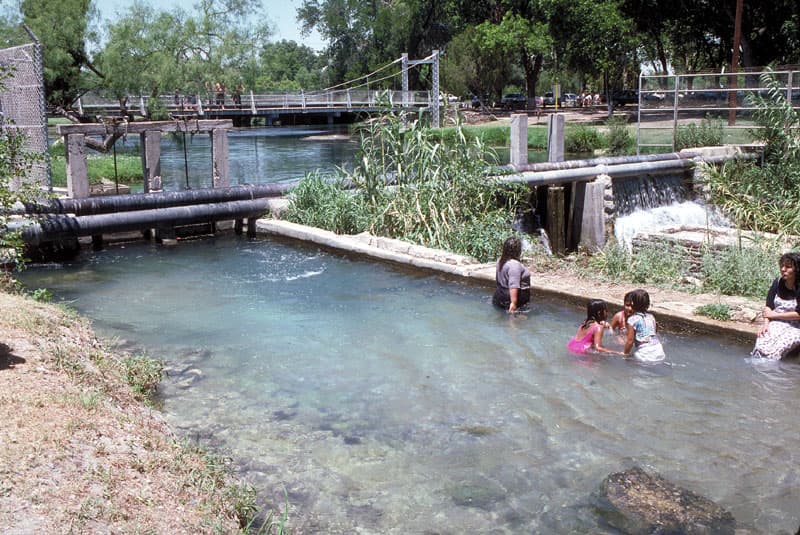
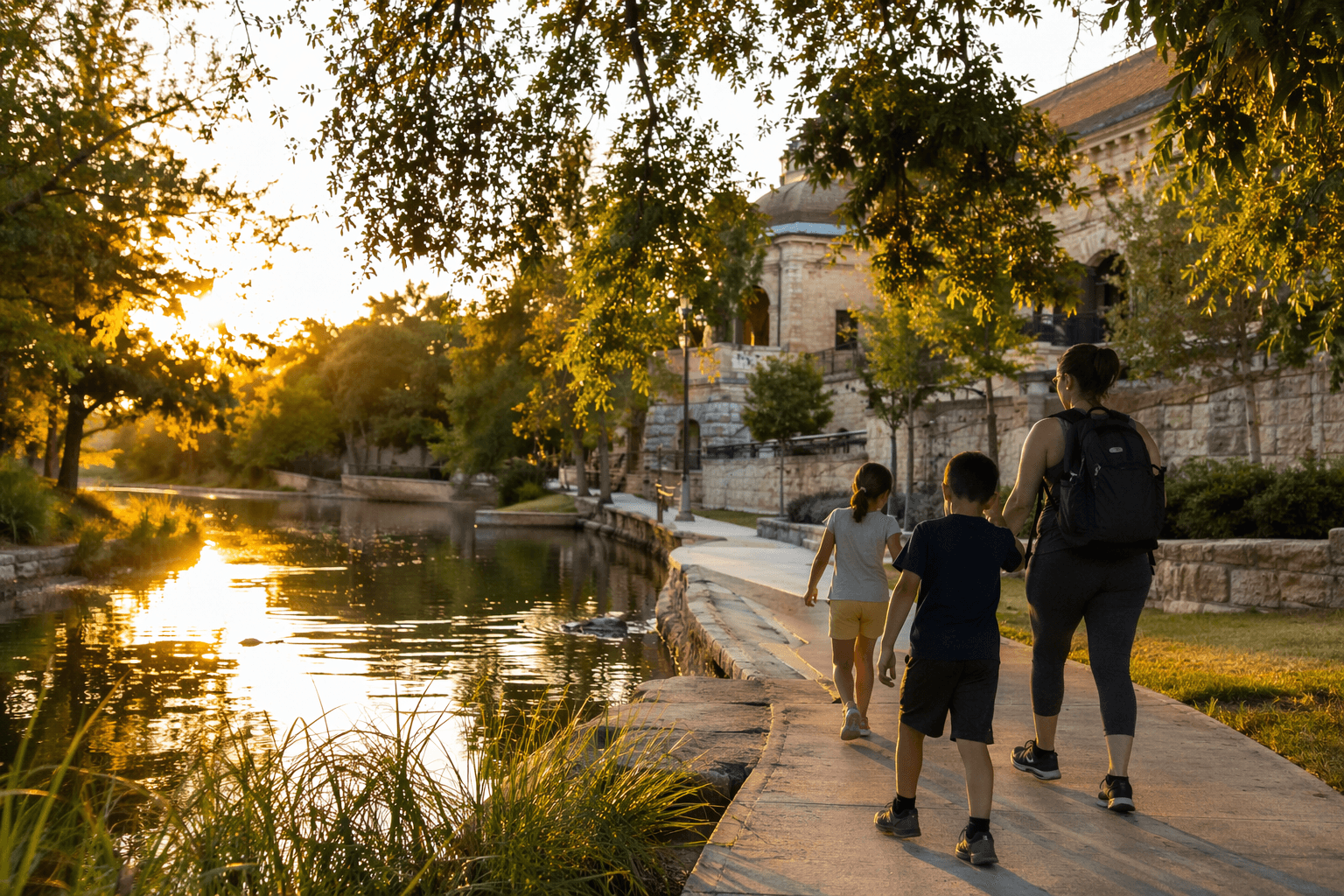
The most distinctive part of Del Rio’s public landscape is the water. The city says San Felipe Springs is the third largest springs in Texas, and the creek walk built around it is one of the clearest examples of a local amenity that works for residents first. Along San Felipe Creek, people can picnic, float, swim and kayak in clear water, and the San Felipe Creek Trail runs from Moore Park to the dam and small waterfall at Johnson Street for walking, running, cycling and dog walking.
That trail is not an afterthought. Del Rio ordinances designate the Parks Department to plan and coordinate public events and fiestas at the San Felipe Creek Walk area, which means the same corridor used for exercise and family outings also serves as a public gathering space. The Parks and Recreation Department maintains city-owned parks, swimming pools and athletic fields, while Community Services helps coordinate programs that include parks, recreation and the San Felipe Springs Golf Course. The result is a system that makes the city useful in everyday life, not just scenic on a brochure.
For bigger outings, Amistad National Recreation Area sits just outside town and expands the possibilities without making the day complicated. The National Park Service describes it as a borderland oasis with water-based recreation, camping, hiking and cultural history dating back nearly 5,000 years, and Recreation.gov says the area offers three campgrounds. That mix gives families a straightforward choice: stay close to town for a creek walk and pool day, or head to Amistad for a longer outing that still feels rooted in Val Verde County.
The city’s own destination description makes the appeal plain. Del Rio points to water views, spring-fed recreation, a golf course with views of San Felipe Springs, a historic downtown district and the oldest operating winery in Texas. For locals deciding where to take kids, where to walk after work or where to spend a Saturday without leaving the county, that combination matters.
Historic downtown, neighborhood memory and civic identity
Del Rio’s history is not separated from its public spaces. The Del Rio Main Street Program says its vision is to preserve and showcase historic downtown as the heart of the community, and the program earned national Main Street accreditation in 2021. That gives Main Street more than nostalgia value. It is part of the city’s ongoing effort to keep downtown legible, active and worth visiting for the people who live here.
Local history also runs through the San Felipe community. San Felipe Independent School District was established in 1929 by Mexican Americans to serve San Felipe barrio students, and later coverage says the district served the barrio for 41 years, from the early 1930s to 1971. The San Felipe Exes Memorial Center keeps that memory alive. The center traces its modern form to a 1978 reunion when former students of the San Felipe Ex-Students Association of California raised funds to buy and restore the former Santos S. Garza residence.
That legacy matters because it shows how local institutions can preserve more than buildings. The San Felipe Exes Memorial Center holds memorabilia, family photos and media archives, turning a restored home into a public record of the barrio’s educational and civic history. In a city where Main Street was originally Perry Street, according to the Val Verde County Historical Commission, downtown and neighborhood memory are tightly linked. The places people pass every day are also the places that carry the story of who built the city and how it evolved.
Museums, arts and places that widen the family itinerary
Del Rio’s cultural institutions make the city more usable for residents who want affordable ways to spend time together. Casa de la Cultura says its mission is to make arts and literacy accessible and affordable, with support from the Texas Commission on the Arts, the National Endowment for the Arts, the United Way of Val Verde County, the City of Del Rio and other partners. That combination matters in a community where after-school options, intergenerational events and low-barrier arts access can shape how families use their free time.
The city also points visitors and residents to The Upstagers Community Theatre, which adds another layer to the local arts scene. Together with Casa de la Cultura, it shows that Del Rio’s culture sector is not limited to static exhibits. It includes active spaces where literacy, performance and neighborhood participation can overlap.
Museums form another important part of the guide. The Whitehead Memorial Museum officially opened on October 9, 1962, and it now covers more than two acres with 18 buildings, more than 40 permanent exhibits and over 1,500 artifacts. That scale makes it one of the city’s most substantial historical anchors, a place where a quick visit can become a full afternoon of local context.
A few blocks away, the Laughlin Heritage Foundation Museum tells the story of Laughlin Air Force Base, which was founded in 1943. The museum sits on South Main Street across from the Val Verde County Courthouse, placing military history directly into the civic center of town. For families and longtime residents alike, that location reinforces how deeply the base is tied to Del Rio’s public identity.
The city’s heritage map also reaches back to the oldest layers of settlement and commerce. Val Verde Winery says it has operated continuously since 1883, making it Texas’ oldest continuously operating winery. That gives Del Rio a rare connection to 19th-century agriculture and a living piece of local history that still shapes how the city presents itself today.
Taken together, these places show why Del Rio stands out in Val Verde County. The creek walk, spring-fed recreation, downtown preservation, neighborhood museums and cultural institutions are not separate attractions competing for attention. They are the everyday places where the city’s history, public space and family life meet, and that is what makes them worth using now.
This article was produced by Prism’s automated news system from verified source data, official records, and press releases, then run through automated quality and moderation checks before publishing. The system is built and supervised by the people who set the standards it runs under. Read our full AI policy.
Know something we missed? Have a correction or additional information?
Submit a Tip