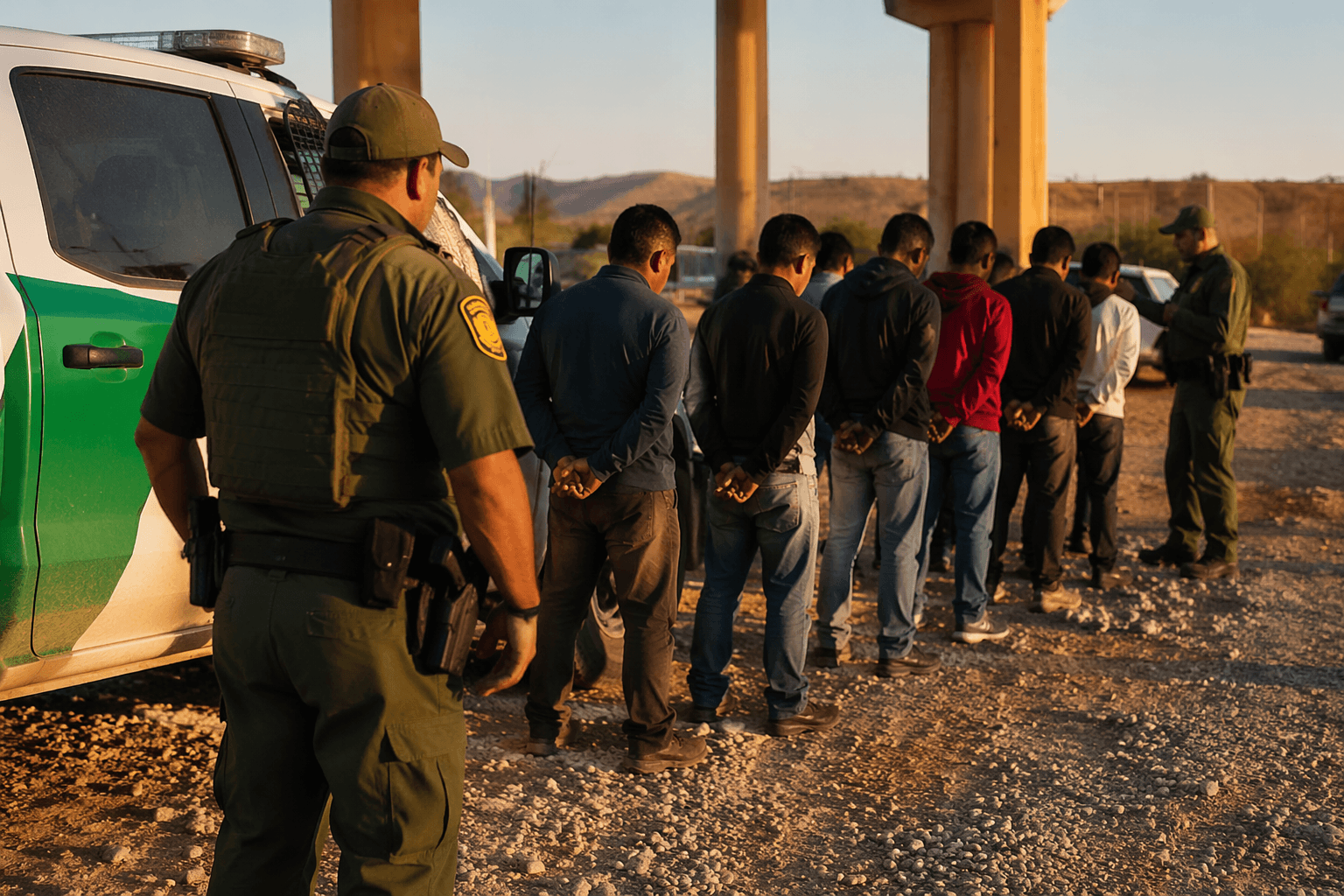
DPS Canine Team Tracks Three Undocumented Migrants Across Six Miles of Brush
Six miles of Val Verde and Maverick County brush couldn't hide three undocumented migrants from a DPS canine team that crossed the county line to make the arrest.
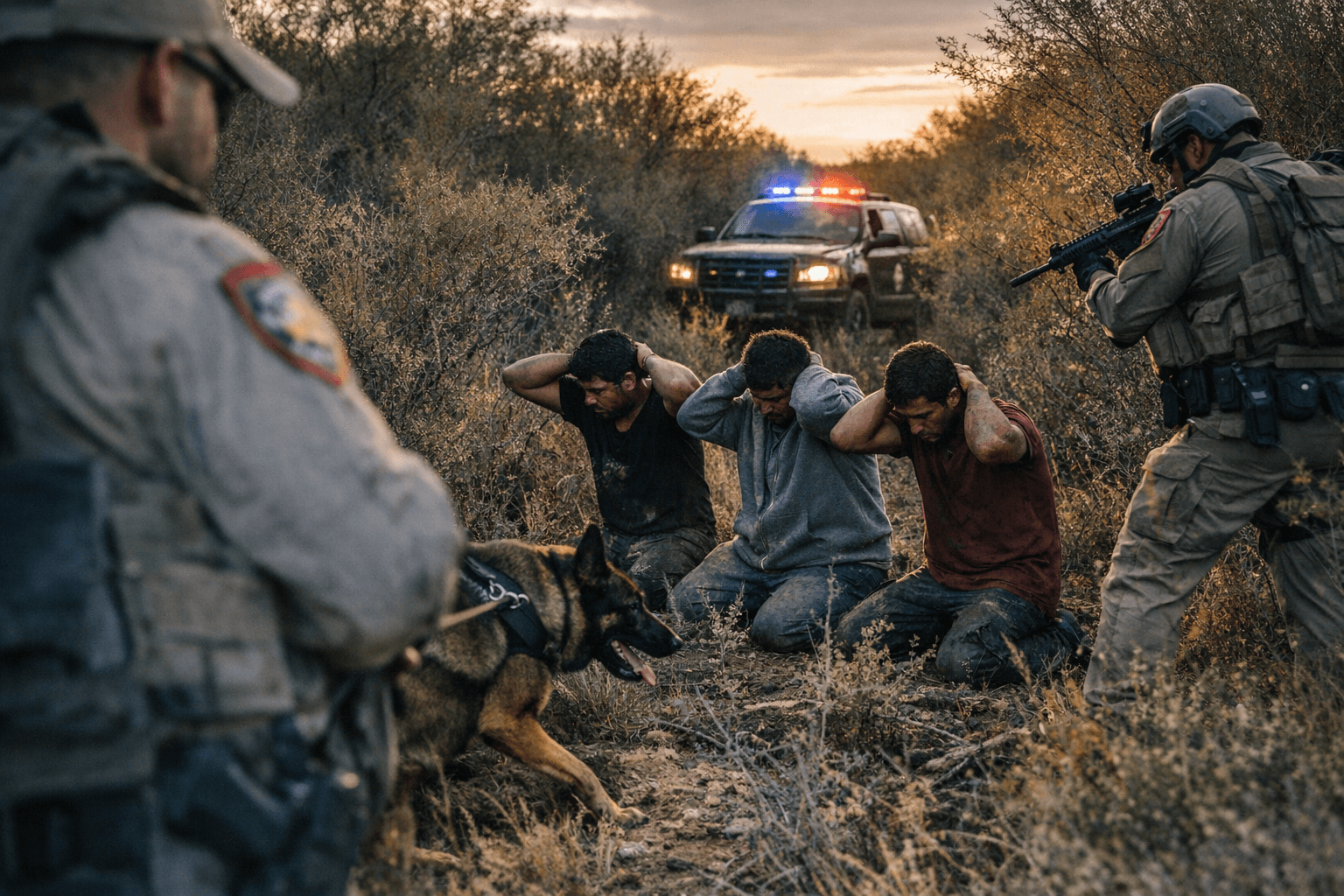
The six-mile length sets this operation apart. When a DPS K-9 named Shark tracked six migrants through Maverick County brush on New Year's Day, the pursuit covered 1.5 miles before the arrest. The operation reported April 4, which began in Val Verde County and pushed into adjacent Maverick County, covered four times that distance before troopers and a scent-tracking canine located and arrested three undocumented migrants.
The precise starting point was in the remote brush country between Del Rio and the Maverick County line, terrain that is almost entirely private ranchland: caliche roads, low-water crossings, mesquite and cedar that limit sightlines to a few dozen feet. Migrants moving through this corridor routinely avoid US 90 and Highway 277, where patrol visibility is highest, pushing cross-country instead. A six-mile track suggests the group had been moving for significant time before DPS acquired a scent trail.
DPS maintains 14 tracking canines statewide through its Texas Highway Patrol Canine Tracking Operations Program, with teams trained to follow human scent through desert, dense brush, and waterways. The department's longest recorded track stands at 16 miles. The six-mile operation places this pursuit in the demanding range, requiring sustained canine work and trooper support across a jurisdictional boundary. DPS has not publicly detailed the criteria that determine when a track is extended versus called off, a question with practical implications for officer time, equipment deployment, and cross-county coordination.
For property owners along ranch roads south and east of Del Rio, enforcement operations like this one typically arrive without notice. Cut fence wire, disturbed stock tanks, and law enforcement vehicles parked on caliche roads at dawn are often the only signs that anything happened near private land. Ranchers and rural residents who find evidence of foot traffic should call 911 rather than investigating on their own; DPS troopers routinely request landowner permission to continue tracks across private property and remain the appropriate point of contact for fence damage or livestock disturbance tied to migrant movement.
Val Verde County's Operation Lone Star booking facility in Del Rio, which had processed state criminal trespass and smuggling charges for migrants apprehended in similar operations, was quietly closed last summer following a prolonged decline in crossings. Whether the three individuals arrested in this operation face federal immigration charges through the Del Rio Division of the U.S. Attorney's Office or state-level charges depends on processing decisions made at the time of arrest, typically coordinated between DPS and U.S. Border Patrol.
The risks this terrain imposes are not theoretical. Remote brush between Del Rio and Eagle Pass concentrates the hazards of late-March conditions: temperatures that can climb into the mid-80s by midday, scarce water sources, and ground that punishes anyone moving at pace. Val Verde County emergency management maintains coordination protocols with humanitarian organizations active in the region for migrants found in medical distress during or after enforcement actions.
This article was produced by Prism’s automated news system from verified source data, official records, and press releases, then run through automated quality and moderation checks before publishing. The system is built and supervised by the people who set the standards it runs under. Read our full AI policy.
Did this article answer your question?