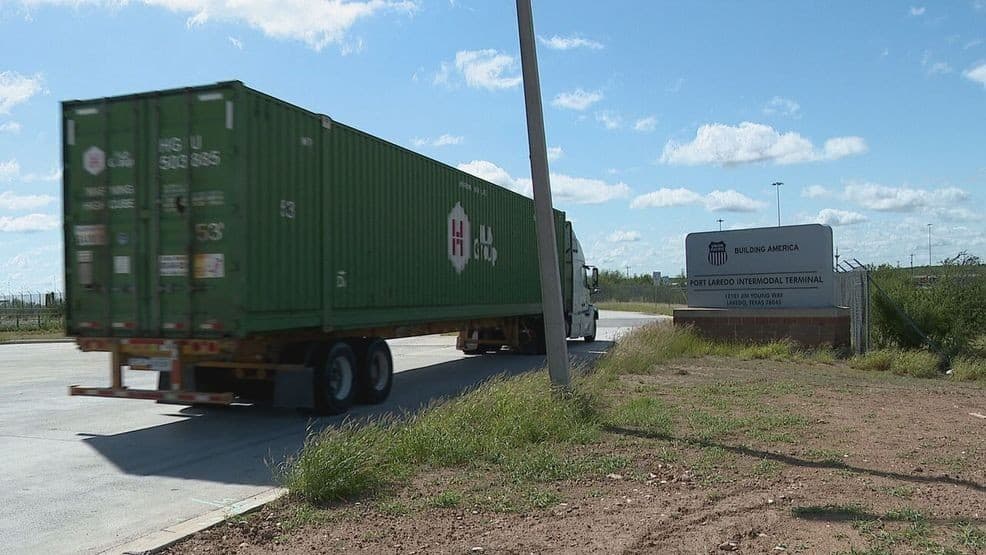
Houston Man Sentenced to 14 Years for Meth Trafficking Through Port
A federal judge sentenced a Houston man to 168 months in prison for importing and trafficking more than 31 kilograms of nearly pure methamphetamine found at a Texas port of entry. The case underscores ongoing border security challenges and the reach of federal anti cartel efforts that affect public safety and trade in Val Verde County.

A federal court handed down a 168 month prison sentence on December 17, 2025 to Alfonso Avellaneda Chavarrieta, 25, for importing and trafficking methamphetamine after authorities discovered the drugs concealed in a vehicle that entered the United States in November 2021. The mixes and measures in this case are notable, with 64 bundles hidden in rear tires testing positive for 31.4 kilograms of methamphetamine at 97 percent purity. He was sentenced by Chief U.S. District Judge Alia Moses.
The vehicle was referred to secondary inspection at the Eagle Pass Port of Entry on November 17, 2021, where a canine alerted U.S. Customs and Border Protection officers to the hidden bundles. Chavarrieta was indicted on four counts on December 8, 2021, pleaded guilty to all counts on August 22, 2022, and faced prosecution by Assistant U.S. Attorneys Tyler Fleming and Amy Greenbaum. The investigation was led by Homeland Security Investigations in coordination with U.S. Customs and Border Protection. U.S. Attorney Justin R. Simmons announced the sentence.
Federal officials placed the prosecution within Operation Take Back America, a nationwide Department of Justice initiative that marshals resources to address illegal immigration, dismantle cartels and transnational criminal organizations, and protect communities by coordinating with Project Safe Neighborhoods. For local residents of Val Verde County, the case highlights how international trafficking routes and transnational criminal networks can intersect with routine cross border travel and commercial traffic, affecting port operations and community safety.
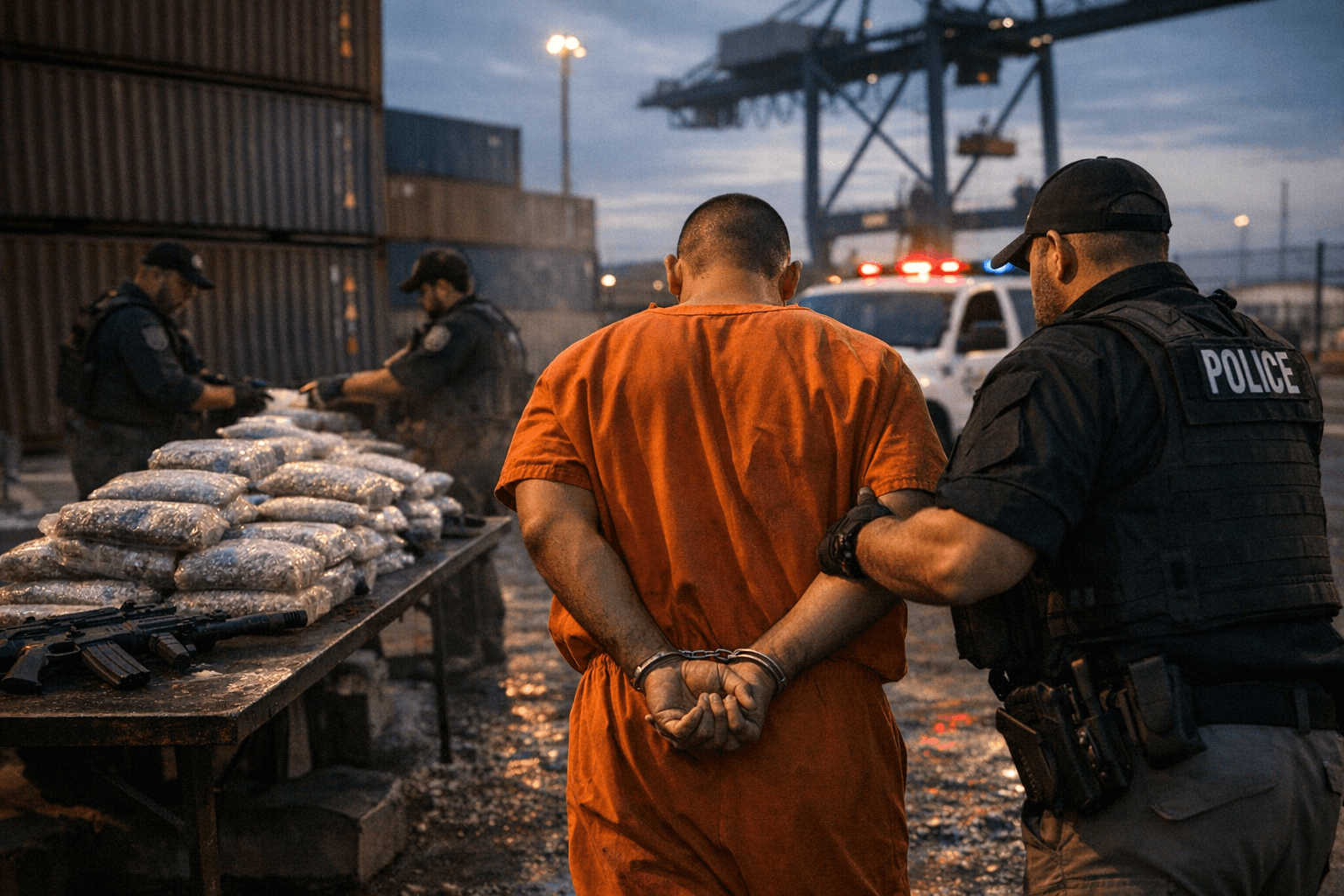
The discovery at a port of entry illustrates the ongoing operational role of canine units and secondary inspection protocols in interdicting high purity narcotics. It also demonstrates the lengthy legal timelines that follow interdiction, from indictment to plea and eventual sentencing, and the multi agency collaboration required to prosecute complex trafficking cases. Local law enforcement and border communities may see this outcome as evidence of federal capacity to pursue large scale traffickers, while also recognizing the broader regional challenge posed by organized smuggling networks that operate across the U.S Mexico border. For more information contact USATXW.MediaInquiry@usdoj.gov.
Know something we missed? Have a correction or additional information?
Submit a Tip