Ranchers raise concerns over proposed border wall on western properties
Ranchers asked Val Verde County to oppose a wall west of Lake Amistad, warning it could cut off Rio Grande access, weaken land values and trap them on their own property.
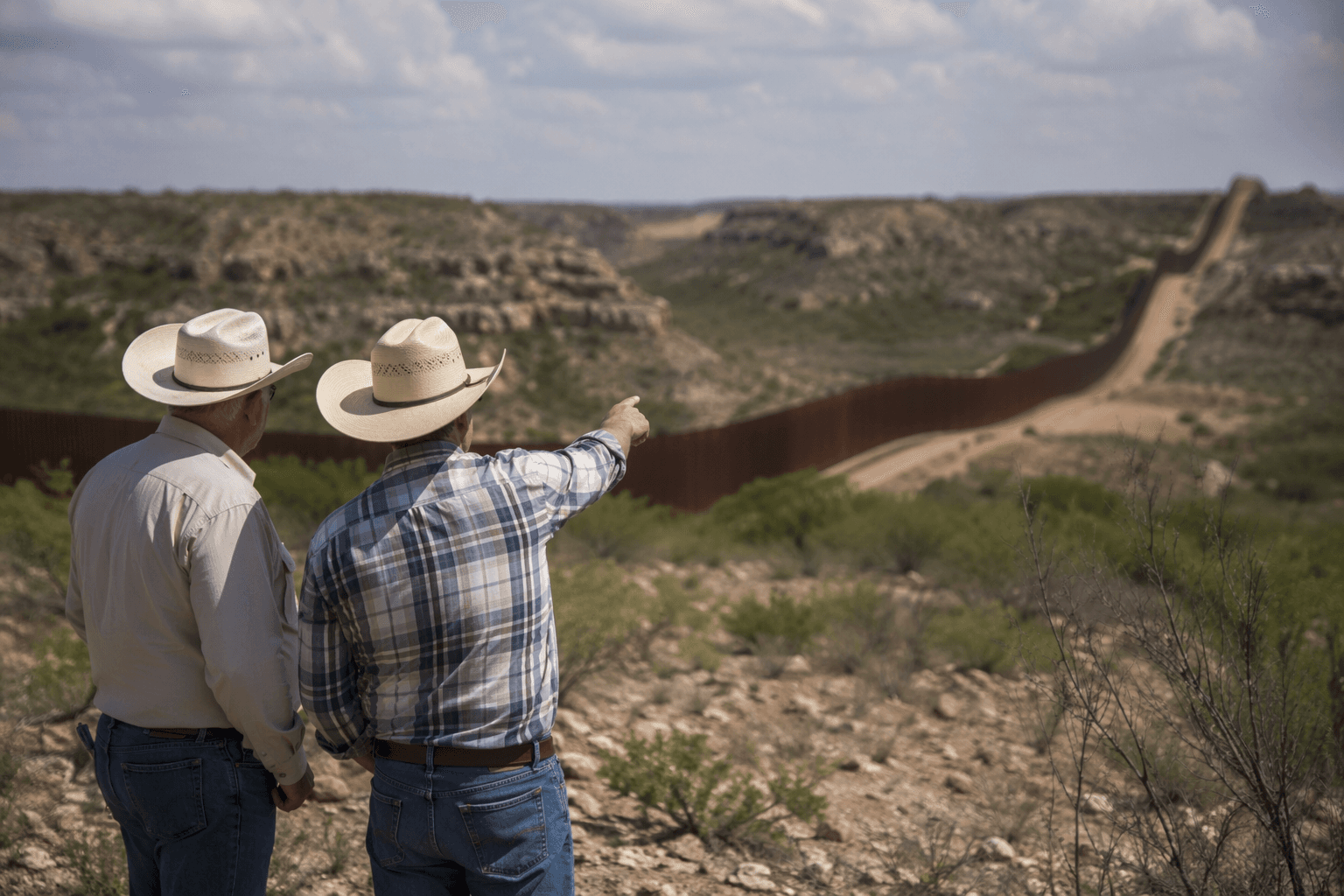
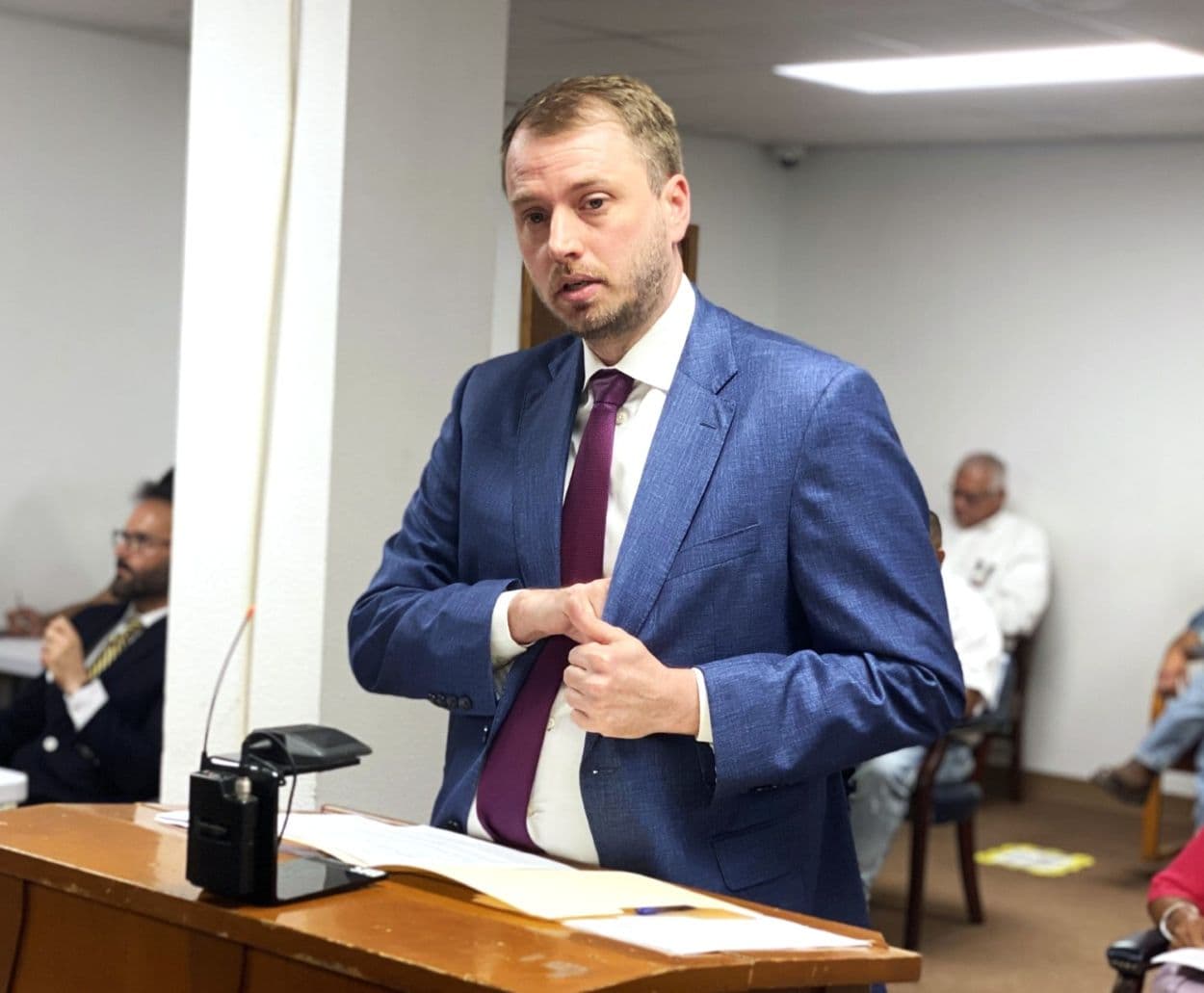
Val Verde County commissioners sided with western landowners on May 29, authorizing County Judge Lewis G. Owens Jr. to send a letter opposing border-wall placement west of Lake Amistad after two ranchers said the proposal could alter how they reach, work and defend their properties.
Becky Foster, who owns the Foster Ranch with her husband, Justin Foster, in far southwest Val Verde County, told commissioners that access to the Rio Grande is tied directly to the ranch’s value and future. She said a land surveyor-appraiser told her every acre is worth more because of that river frontage, and that losing access would hurt both the property’s value and the operation itself. Patrick Zuberbueler, another ranch owner, said he wrote to President Trump about the proposal and warned that it would make ranchers “prisoners on their own land.”
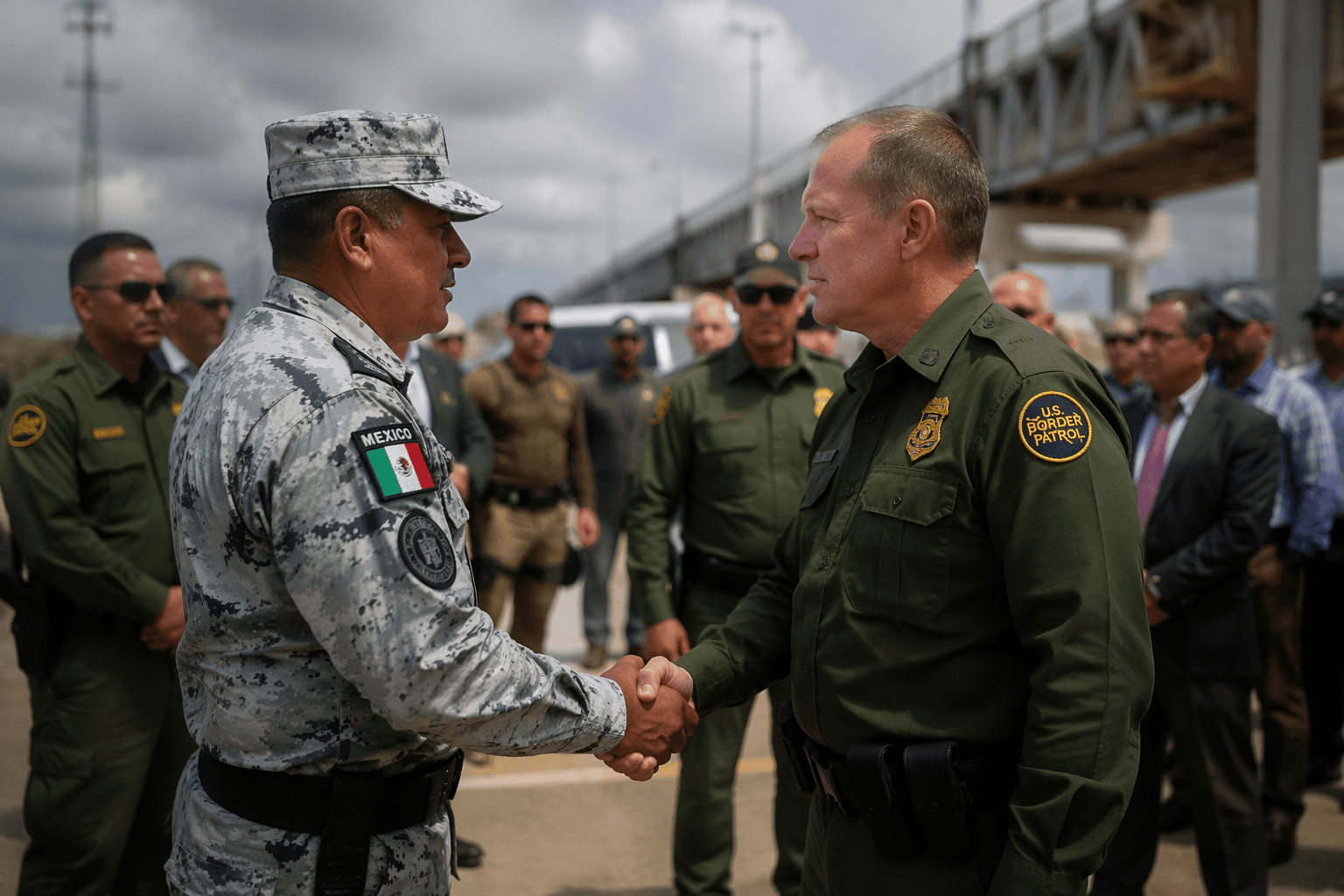
Owens told the court the concept had shifted from a physical wall to a virtual wall and then to a vehicle barrier, reflecting how little concrete information county officials said they had received. Sheriff Joe Frank Martinez said federal partners had limited details, no one had seen a design plan, and the matter was still in the planning and contracting stage. He said the latest idea discussed was a vehicle barrier, described as a guardrail or post-and-rail setup, and that the contract would be for a study rather than immediate construction.
For ranchers, the issue reaches well beyond politics. A barrier on western Val Verde County properties could affect access roads, grazing patterns, drainage, emergency response and the ability to move livestock across large tracts of land. Martinez said he had been told nothing would happen on private land until landowners agreed, though he stressed that was only what he had been told. Commissioners also discussed talk of buoy barriers in the Rio Grande, but said information on that part of the plan remained limited.
The county’s action came as U.S. Customs and Border Protection says it is planning border barrier and waterborne barrier systems in Val Verde and Kinney counties, with a December 30, 2025 waiver from the Department of Homeland Security intended to speed road and barrier work. CBP’s project description for Val Verde County calls for about 30 miles of primary border barrier and about 2 miles replacing existing barrier, with 30-foot steel bollards spaced about four inches apart, plus access roads, drainage gates, erosion control, patrol roads, staging areas and water for construction and dust suppression.
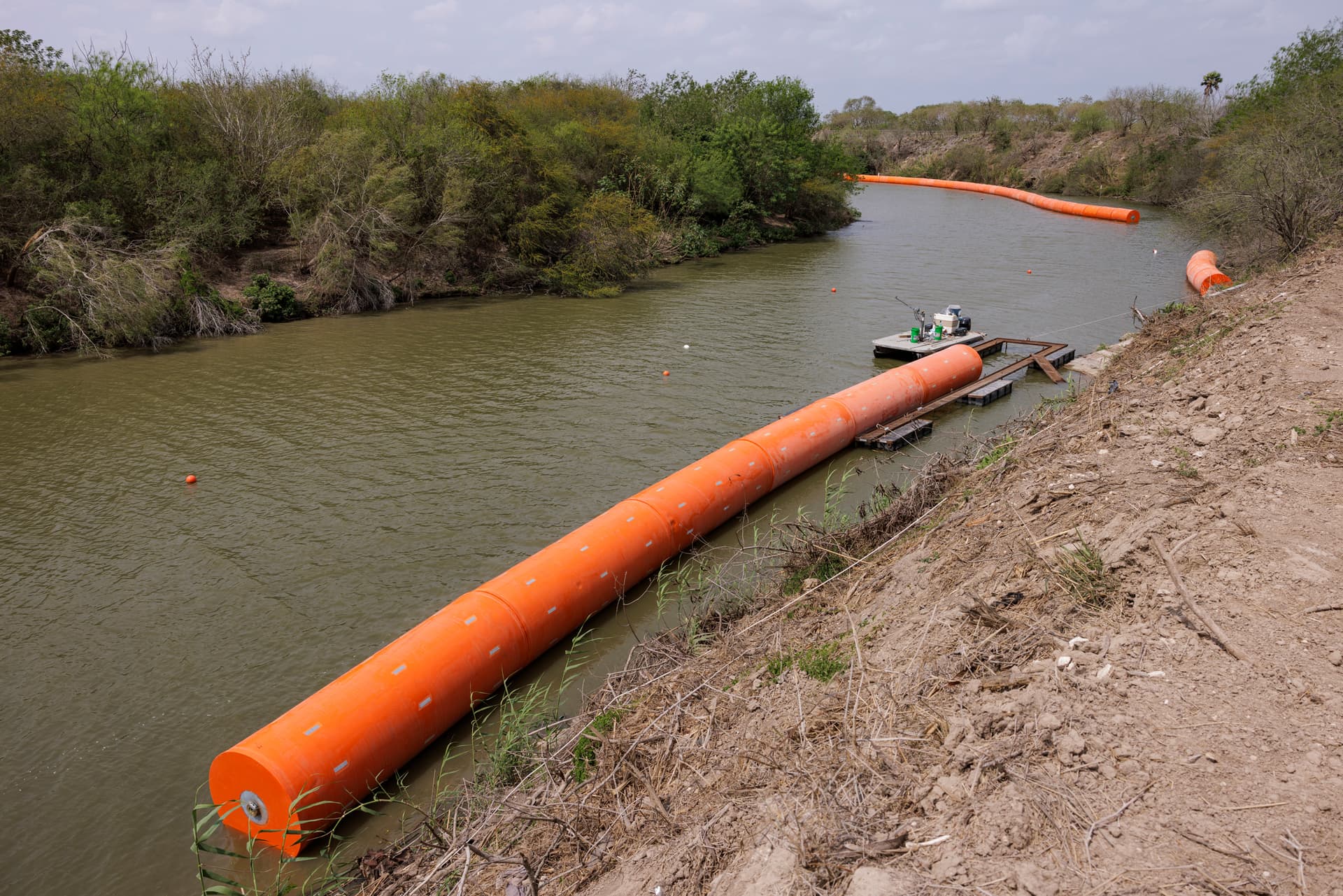
The fight also carries cultural weight in the Lower Pecos region near Langtry, where archaeologists and landowners have warned that border-wall construction could damage prehistoric rock art and alter the landscape. Across the Texas border region, all 14 county judges have already asked the Department of Homeland Security to include them as partners in border-security talks, but in Val Verde County the immediate question remains simpler: who controls what happens on the ground, and who bears the cost if the line moves through ranch land.
This article was produced by Prism’s automated news system from verified source data, official records, and press releases, then run through automated quality and moderation checks before publishing. The system is built and supervised by the people who set the standards it runs under. Read our full AI policy.
Know something we missed? Have a correction or additional information?
Submit a Tip